
Comparison

Compare models
Differences at a glance
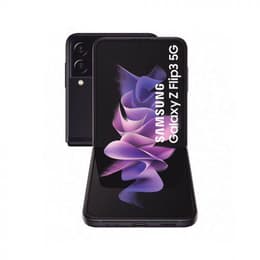
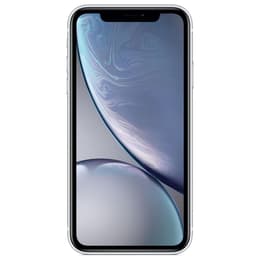
The Samsung Galaxy Z Flip3 5G, released in August 2021, and the Apple iPhone XR, launched in October 2018, represent distinct approaches to smartphone design and functionality. The Z Flip3 offers a unique foldable form factor with a flexible display, while the iPhone XR adheres to a traditional slab design. These devices operate on different ecosystems, with the Z Flip3 running Android and the iPhone XR utilizing iOS, leading to varied user experiences and software support timelines.
Colour
Storage
The practical lifespan of a smartphone is influenced by its release date, ongoing software support, and physical durability. The Galaxy Z Flip3, being a newer device, generally benefits from a longer expected period of major software updates compared to the iPhone XR.
Year of Release
Compatible with latest Update
OS
Foldable
Performance in smartphones is determined by a combination of internal components, impacting how smoothly applications run, how quickly tasks are completed, and the overall responsiveness of the device.
The display is a primary interface for smartphone interaction, and differences in technology, resolution, and refresh rate significantly affect the visual experience.
Resolution
Screen type
Camera systems are a key differentiator, with varying capabilities for capturing photos and videos in different environments, alongside audio recording and playback features.
Main camera
Front camera
Beyond core performance and display, practical features like connectivity, physical design, and security mechanisms contribute to the overall user experience.
Weight
Screen size (in)
Network
SIM card
Carrier compatibility
Connector
The Samsung Galaxy Z Flip3 5G and iPhone XR cater to different user preferences, reflecting their distinct design philosophies and release timelines. Users often praise the Z Flip3 for its innovative foldable design, which offers a compact form factor without sacrificing screen size when unfolded. Its modern processor and 120Hz display are also frequently highlighted for providing a smooth and responsive experience. Some common concerns for the Z Flip3 have revolved around its battery life for heavy users and the long-term durability of the foldable screen, though advancements in materials aim to address this.
The iPhone XR, despite its older release, is often lauded by users for its consistent performance, reliable camera, and particularly its impressive battery life at the time of its launch. Its straightforward iOS experience and long-term software support have also been strong points. Criticisms sometimes focus on its LCD display, which, while good, does not offer the deep blacks and contrast of OLED panels, and its single rear camera setup.
Users prioritizing a modern, unique design with a highly portable form factor and a high refresh rate display may find the Galaxy Z Flip3 5G well-suited to their needs. Its enhanced processing power and versatile camera system also appeal to those who engage in demanding tasks or creative photography. Conversely, individuals seeking a dependable, user-friendly smartphone with a proven track record for battery endurance and consistent software updates might lean towards the iPhone XR. Both devices, whether new or as a quality-assured refurbished option, offer distinct advantages depending on individual priorities. Choosing between them involves weighing the appeal of a cutting-edge, foldable design against the reliability and established ecosystem of a traditional smartphone.


