

Galaxy S22 Ultra 5G Vs iPhone 14

Galaxy S22 Ultra 5G
Galaxy S22 Ultra 5G
Starting at

Refurbished price:350.00

Versus €1,445.00 new

See options
iPhone 14
iPhone 14
Starting at

Refurbished price:287.25

Versus €759.00 new

See options

Ratings

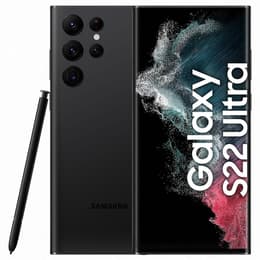
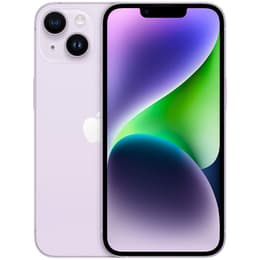
The Samsung Galaxy S22 Ultra 5G, released in February 2022, and the Apple iPhone 14, launched in September 2022, represent distinct approaches to high-end smartphone design and functionality. While both devices offer premium experiences, they differentiate themselves through their operating systems, camera capabilities, and integrated features. The Galaxy S22 Ultra operates on Android, offering a versatile ecosystem, whereas the iPhone 14 runs on Apple's iOS, known for its streamlined user experience.

Scores

Durability

When considering the long-term usability of these devices, their release timelines and software support policies are key factors.

  • Release Timeline and Age: The Samsung Galaxy S22 Ultra 5G was released in February 2022, making it slightly older than the iPhone 14, which launched in September 2022. This difference in release dates can influence the duration of future software support.
  • OS Support Duration: Apple typically provides iOS updates for its devices for approximately 5-6 years from their release. The iPhone 14, being a newer model, is expected to receive software updates for a longer period compared to the Galaxy S22 Ultra 5G. Samsung generally offers several years of Android OS updates and security patches for its flagship devices, though the exact duration can vary.
  • Repairability: The iPhone 14 initially received a repairability score of 7 out of 10 from iFixit, indicating a design that made it easier to repair than previous models, particularly with its accessible back panel. However, this score was later downgraded to 4 out of 10 due to software limitations related to parts pairing, which can complicate repairs with non-genuine components. In contrast, the Samsung Galaxy S22 Ultra 5G received a lower repairability score of 3 out of 10 from iFixit, primarily due to the extensive use of strong adhesive, making disassembly and battery replacement challenging.

Year of Release

2022

2022

Compatible with latest Update

Yes

Yes

OS

Android

iOS

Foldable

No

No

Performance

Both devices deliver robust performance for everyday tasks and demanding applications, though they achieve this through different hardware architectures.

  • Processor Capabilities: The Galaxy S22 Ultra 5G is powered by either the Snapdragon 8 Gen 1 or the Exynos 2200, depending on the region. These processors enable smooth multitasking, efficient handling of graphics-intensive games, and quick app loading times. The iPhone 14 features the A15 Bionic chip, which was also used in the previous generation's Pro models. This chip provides responsive performance for daily usage, including navigating the interface, running multiple applications simultaneously, and engaging in mobile gaming.
  • Storage Options: The Galaxy S22 Ultra 5G offers a range of internal storage options, including 128GB, 256GB, 512GB, and a 1TB variant, typically paired with 8GB or 12GB of RAM. The iPhone 14 is available with 128GB, 256GB, and 512GB of internal storage.
  • Battery Behavior: The Galaxy S22 Ultra 5G is equipped with a 5000 mAh battery, designed to support its large display and advanced features throughout a typical day. The iPhone 14, with its smaller battery capacity, achieved approximately 9 hours and 28 minutes in a web browsing battery test. Some users of the iPhone 14 series have reported concerns about battery health degrading over time or faster battery drain, particularly with heavy usage.

Memory (GB)

8 GB

6 GB

Screen quality

The visual experience on both smartphones is a key aspect, with each offering a high-quality display tailored to different preferences.

  • Display Technology and Size: The Galaxy S22 Ultra 5G features a large 6.8-inch Dynamic AMOLED 2X display, providing vibrant colors and deep blacks. The iPhone 14 comes with a 6.1-inch Super Retina XDR OLED display, also known for its color accuracy and contrast.
  • Resolution and Clarity: The S22 Ultra 5G offers a resolution of 1440 x 3088 pixels, resulting in a pixel density of approximately 500 ppi, contributing to sharp images and text. The iPhone 14 has a resolution of 2532 x 1170 pixels at 460 ppi, delivering clear and detailed visuals.
  • Refresh Rate and Brightness: The Galaxy S22 Ultra 5G boasts a 120Hz adaptive refresh rate, which contributes to smoother scrolling and more fluid animations. It also offers a peak brightness of up to 1750 nits, enhancing visibility in bright outdoor conditions. The standard iPhone 14 features a 60Hz refresh rate. Its display can reach a peak brightness of 1200 nits for HDR content.

Resolution

1440 x 3088

1170 x 2532

Screen type

Dynamic AMOLED 2X

Super Retina XDR OLED

Audiovisual

Both devices offer advanced camera systems designed to capture high-quality photos and videos, though with different configurations and strengths.

  • Camera System Capabilities: The Galaxy S22 Ultra 5G is equipped with a versatile quad-camera setup on the rear, including a 108 MP main sensor, a 12 MP ultrawide lens, a 10 MP telephoto lens with 3x optical zoom, and another 10 MP periscope telephoto lens offering 10x optical zoom. Its front camera is 40 MP. The iPhone 14 features a dual-camera system with a 12 MP main camera and a 12 MP ultra-wide camera.
  • Photography Performance: The S22 Ultra 5G is praised for its comprehensive camera system, particularly its zoom capabilities and ability to capture detailed images across various lighting conditions. The iPhone 14's camera system offers improvements over its predecessors, delivering good quality photos in everyday and low-light scenarios, with strong video recording capabilities and effective stabilization.
  • Video Recording: The Galaxy S22 Ultra 5G supports video recording up to 8K at 24fps, along with 4K at 30/60fps. The iPhone 14 offers 4K Dolby Vision HDR recording. Both devices provide effective video stabilization.

Main camera

108 megapixels

12 megapixels

Front camera

40 megapixels

12 megapixels

Miscellaneous

Beyond core performance and display, several other features contribute to the overall user experience and practical utility of these smartphones.

  • Connectivity and Ports: Both the Galaxy S22 Ultra 5G and the iPhone 14 support 5G connectivity and modern Wi-Fi standards. The S22 Ultra 5G uses a USB-C port for charging and data transfer. The iPhone 14 utilizes Apple's Lightning port.
  • Integrated Features: A significant differentiator for the Galaxy S22 Ultra 5G is its integrated S Pen, offering enhanced productivity for note-taking, drawing, and navigation. The iPhone 14 includes features like Emergency SOS via satellite and Crash Detection.
  • Build Materials and Dimensions: The Galaxy S22 Ultra 5G features a glass front and back (Gorilla Glass Victus+) with an aluminum frame, and is IP68 dust/water resistant. Its dimensions are 163.3 x 77.9 x 8.9 mm, and it weighs 228g. The iPhone 14 also has a durable build with Ceramic Shield front cover and an aluminum frame, and is IP68 rated for splash, water, and dust resistance. It measures 146.70 x 71.50 x 7.80 mm and weighs 172g.

Weight

228 g

172 g

Screen size (in)

6.8

6.1

Network

5G

5G

SIM card

Physical SIM + eSIM

Physical SIM + eSIM

Carrier compatibility

Unlocked

Unlocked

Connector

USB-C

Lightning

User feedback for the Samsung Galaxy S22 Ultra 5G often highlights its exceptional camera system, particularly the versatile zoom capabilities, and the integrated S Pen as major advantages for productivity and creative tasks. Many users appreciate the large, vibrant display and the overall premium feel of the device. Some criticisms have pointed towards its repairability challenges due to strong adhesives and the potential for regional processor differences impacting performance consistency. Overheating during heavy use has also been mentioned by some users.

For the iPhone 14, users generally praise its smooth performance, reliable camera for everyday photography and video, and the consistent iOS experience. The improved internal design for repairability was initially well-received, though later concerns arose regarding software restrictions on parts. Some users have noted issues with battery drain or degradation over time, and some have found the camera area prone to discoloration. A common sentiment among some users is that the standard iPhone 14 offers incremental upgrades over its predecessor, leading some to suggest that those prioritizing significant new features might consider the Pro models or an older generation if specific new features are not a priority.

Users who prioritize a large, high-refresh-rate display, advanced zoom photography, and the unique functionality of an integrated stylus for productivity may find the Samsung Galaxy S22 Ultra 5G well-suited to their needs. Conversely, users who prefer a more compact device, a streamlined operating system, and a strong, reliable camera for general use, along with Apple's ecosystem, may lean towards the iPhone 14. Both devices offer a quality-assured refurbished option, providing a sustainable choice for consumers.


See all articles

Our recent comparisons