

Compare models
Galaxy A34 Vs Xiaomi Redmi Note 13 4G
- 1-year minimum warranty
- Free delivery on all orders
- Free 30-day returns
Differences at a glance
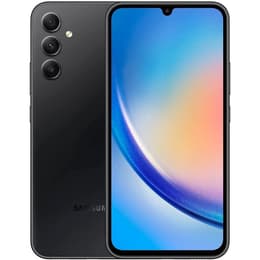
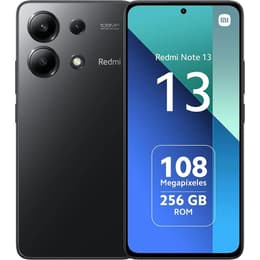
The Samsung Galaxy A34 (2023) and the Xiaomi Redmi Note 13 4G (2024) are popular mid-range smartphones designed to deliver reliable everyday performance without unnecessary complexity. While both devices cater to cost-conscious and practical users, they differ primarily in their network connectivity, software support lifespans, and core hardware design.
Available Models
Colour
Storage (GB)
Scores
Durability
When evaluating long-term usability, both models offer solid build qualities, though they differ in their software update timelines and physical protection standards.
- Software Support: The Samsung Galaxy A34 benefits from an extended software update commitment, providing multi-year major operating system upgrades, whereas the Xiaomi Redmi Note 13 4G follows a more standard regional update cycle.
- Durability Standards: The Galaxy A34 includes a higher official dust and water resistance rating compared to the splash-resistant build of the Redmi Note 13 4G.
- Expected Lifespan: Both devices are built to handle daily routines for several years, with Samsung's extended software policy offering an advantage for long-term software relevance.
Year of Release
2023
2024
Compatible with latest Update
Yes
Yes
OS
Android
Android
Foldable
No
No
Performance
Performance capabilities vary noticeably between the two models during demanding tasks, multitasking, and everyday navigation.
- Multitasking and App Loading: The Galaxy A34 handles intensive applications and switching between multiple programs smoothly, while the Redmi Note 13 4G is better suited for lighter, standard daily tasks like web browsing and messaging.
- Battery Behavior: Both devices pack 5000 mAh batteries capable of lasting through a full day of mixed usage, though the Redmi Note 13 4G supports slightly faster wired charging speeds.
- Connectivity: The Galaxy A34 includes native 5G network support for faster mobile data speeds, whereas the Redmi Note 13 4G is restricted to 4G networks.
Screen quality
Both smartphones feature vibrant display panels designed to deliver clear visuals and smooth scrolling during media consumption.
- Display Technology: Both models utilize bright AMOLED screens with high refresh rates, ensuring fluid animations and deep contrast levels for videos and photos.
- Outdoor Visibility: Peak brightness levels on both screens allow for comfortable readability under direct sunlight or bright outdoor lighting conditions.
- Viewing Area: The Redmi Note 13 4G offers a marginally larger screen estate, while the Galaxy A34 provides a slightly more compact footprint that is easier to handle with one hand.
Resolution
1080 x 2340
1080 x 2400
Screen type
Super AMOLED
AMOLED
Audiovisual
Photography and media recording configurations offer distinct capabilities depending on whether users prioritize high-resolution sensor specs or optical stabilization.
- Main Camera Output: The Redmi Note 13 4G features a very high-resolution main sensor for detailed daylight shots, whereas the Galaxy A34 incorporates optical image stabilization to reduce blur in low light and during video recording.
- Video and Audio: The Galaxy A34 supports high-resolution video capture on both front and rear cameras, complemented by clear stereo speakers for media playback.
- Additional Lenses: Both phones include secondary ultra-wide and macro lenses to accommodate landscape and close-up photography needs.
Main camera
48 megapixels
108 megapixels
Front camera
13 megapixels
16 megapixels
Miscellaneous
Practical daily features and physical interfaces highlight different design priorities between the two manufacturers.
- Physical Ports: The Redmi Note 13 4G retains a traditional 3.5mm headphone jack alongside its USB-C port, a feature omitted on the Galaxy A34.
- Biometrics: Both devices feature responsive under-display optical fingerprint scanners for secure and quick unlocking.
- Build Materials: Both handsets utilize durable plastic frames and backs designed to withstand everyday wear and tear while maintaining a manageable weight. Choosing a quality-assured refurbished option provides an eco-friendly alternative for acquiring either model sustainably.
Weight
199 g
175 g
Screen size (in)
6.6
6.67
Network
5G
4G
SIM card
Dual Physical SIM
Dual Physical SIM
Carrier compatibility
Unlocked
Unlocked
Connector
USB-C
USB-C
What the community thinks
User feedback from online communities highlights distinct preferences for each device based on everyday requirements. Owners of the Samsung Galaxy A34 frequently praise its reliable battery performance, bright display, and reassuring water resistance rating, though some note that charging speeds can feel modest. Conversely, users of the Xiaomi Redmi Note 13 4G appreciate its responsive high-refresh-rate screen, inclusion of a headphone jack, and crisp daytime photography, while pointing out that processing speeds can stutter during heavy multitasking or intensive gaming.
Users prioritizing faster mobile connectivity, long-term software support, and optical image stabilization will find the Galaxy A34 well-suited to their needs. Meanwhile, users who prefer traditional audio wired connections, faster charging capabilities, and a larger viewing screen may lean toward the Redmi Note 13 4G. Evaluating these core differences ensures a practical choice that matches individual usage habits, with sustainable choices like a quality-assured refurbished option available for conscious consumers.