
Compare models
iPhone 17e Vs Xiaomi Redmi Note 14 Pro
- 1-year minimum warranty
- Free delivery on all orders
- Free 30-day returns
Differences at a glance
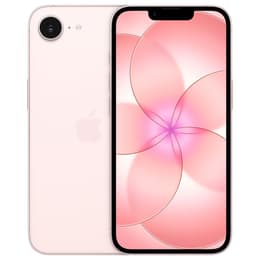
The Apple iPhone 17e (2026) and the Xiaomi Redmi Note 14 Pro (2025) represent two distinct approaches to modern smartphone engineering within the mid-to-entry device category. While the iPhone 17e operates on Apple's closed iOS ecosystem focusing on streamlined integration, the Xiaomi Redmi Note 14 Pro runs Android with a customized interface, emphasizing hardware versatility. These devices cater to different user preferences regarding software environments, display dimensions, and core configuration setups.
Available Models
Colour
Storage (GB)
Scores
Durability
Both smartphones provide robust long-term usability, though they handle software cycles and physical resilience through differing lifespans and support structures.
- Software Support: The iPhone 17e benefits from Apple's extended update timeline, typically receiving operating system upgrades for five to six years. The Xiaomi Redmi Note 14 Pro offers dependable security and system updates tailored to the Android ecosystem, though with a shorter overall duration.
- Build Resilience: The iPhone 17e incorporates high-grade glass protection alongside rigorous water resistance certifications. The Xiaomi Redmi Note 14 Pro utilizes reinforced front glass and specialized sealing to guard against everyday dust and accidental liquid exposure.
- Lifespan Expectations: Users looking for multi-year software longevity will find the iPhone 17e well-equipped for extended utility, whereas the Xiaomi Redmi Note 14 Pro offers solid performance geared toward standard upgrade cycles.
Year of Release
2026
2025
OS
iOS
iOS
Foldable
No
No
Performance
Daily execution speeds and multitasking capabilities vary significantly based on internal hardware optimization and memory management.
- Processing Power: The iPhone 17e handles demanding applications, heavy multitasking, and complex gaming smoothly thanks to its current-generation processor. The Xiaomi Redmi Note 14 Pro relies on an efficient mid-range octa-core processor that manages everyday web browsing, messaging, and moderate apps without notable stutter.
- Storage Configuration: The iPhone 17e starts with generous baseline internal storage capacities and omits expandable card slots. The Xiaomi Redmi Note 14 Pro offers flexible storage tiers, often paired with expandable memory options depending on the regional variant.
- Battery Behavior: The iPhone 17e delivers balanced power efficiency that easily lasts a full day of standard use. The Xiaomi Redmi Note 14 Pro features a high-capacity battery paired with rapid charging technology for quick power replenishment during busy schedules.
Screen quality
Visual delivery and panel technologies shape distinct media consumption and outdoor viewing experiences across both handsets.
- Display Technology: The iPhone 17e utilizes a refined OLED panel that delivers deep blacks, high contrast ratios, and natural color reproduction. The Xiaomi Redmi Note 14 Pro features a vibrant AMOLED screen with high refresh rate capabilities for smooth scrolling.
- Outdoor Legibility: Both screens offer sufficient peak brightness levels to remain legible under direct sunlight, making them practical for outdoor navigation and reading.
- Form Factor: The iPhone 17e provides a more compact 6.1-inch display suited for one-handed operation, while the Xiaomi Redmi Note 14 Pro offers a larger 6.67-inch viewing area advantageous for media streaming and document viewing.
Resolution
2532 x 1170
1080 x 2400
Audiovisual
Photography, video recording, and audio output capabilities cater to different creative and media-sharing habits.
- Camera Systems: The iPhone 17e focuses on a streamlined single high-resolution rear camera paired with advanced image processing software for clear everyday shots. The Xiaomi Redmi Note 14 Pro features a multi-lens rear array, including an ultra-wide sensor for expansive landscape photography.
- Video and Audio: The iPhone 17e supports detailed video recording formats with professional-grade stabilization and spatial audio capture. The Xiaomi Redmi Note 14 Pro offers reliable video modes alongside stereo speakers suitable for casual media playback.
- Low-Light Performance: Software-driven night modes on both devices help capture balanced images in dim environments, reducing visual noise during evening settings.
Front camera
12 megapixels
32 MP
Miscellaneous
Physical design factors, connectivity standards, and daily ergonomics influence how comfortable each phone feels in daily use.
- Ergonomics and Weight: The iPhone 17e features a lighter, narrower frame that fits easily into smaller pockets. The Xiaomi Redmi Note 14 Pro carries a slightly larger footprint and balanced weight distribution for two-handed media handling.
- Connectivity: Both models support modern wireless connectivity standards, including 5G network compatibility, fast Wi-Fi protocols, and dependable Bluetooth pairing for wireless accessories.
- Authentication and Sensors: The iPhone 17e utilizes secure facial recognition technology, while the Xiaomi Redmi Note 14 Pro integrates an in-display fingerprint sensor alongside standard motion and proximity sensors.
Weight
169 g
180 g
Screen size (in)
6.1
6.67
Network
5G
4G
SIM card
eSIM
Dual Physical SIM
Carrier compatibility
Unlocked
Unlocked
What the community thinks
Choosing between the Apple iPhone 17e and the Xiaomi Redmi Note 14 Pro depends heavily on individual preferences for software ecosystems and physical dimensions. Users prioritizing a compact form factor, long-term software support, and the iOS environment will find the iPhone 17e well-suited to their daily routines. Conversely, users who prefer a larger display, expanded storage flexibility, and the customizable nature of Android may lean toward the Xiaomi Redmi Note 14 Pro.
For consumers seeking an eco-friendly alternative, exploring a quality-assured refurbished option provides a sustainable way to acquire either model without compromising on performance or reliability. Reviewing personal priorities regarding screen size, software interface, and daily battery habits will clarify which device aligns best with your specific requirements.