
iPhone 14 Plus Vs iPhone 16

iPhone 14 Plus
iPhone 14 Plus
Starting at

Refurbished price:317.00

Versus €879.00 new

See options
iPhone 16
iPhone 16
Starting at

Refurbished price:548.00

Versus €879.00 new

See options

Ratings

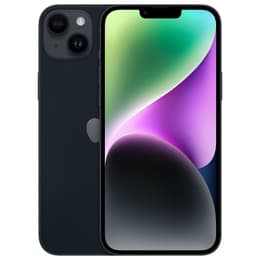
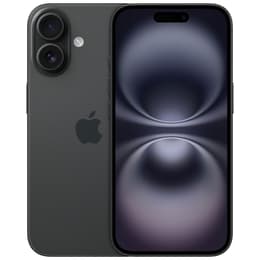
The iPhone 14 Plus, released in October 2022, and the iPhone 16, launched in September 2024, represent different generations within Apple's smartphone lineup. While both devices offer a robust iOS experience, the iPhone 16 introduces a more compact design, a significantly upgraded camera system, and a newer processor, alongside enhanced software capabilities. The iPhone 14 Plus, on the other hand, provides a larger display experience from an earlier generation.

Scores

Durability

When considering the practical lifespan of these devices, several factors come into play, primarily their release timelines and Apple's consistent software support.

  • Release Timeline: The iPhone 14 Plus was released in October 2022, making it two years older than the iPhone 16, which debuted in September 2024. This two-year difference directly impacts the duration of future software updates.
  • Software Longevity: Apple typically provides major iOS updates for five to six years from a device's release. Consequently, the iPhone 16 is expected to receive software support for a longer period than the iPhone 14 Plus, extending its functional life for users who prioritize the latest features and security patches. The iPhone 14 Plus launched with iOS 16 and is upgradable to iOS 26, while the iPhone 16 launched with iOS 18.
  • Physical Durability: Both models feature a Ceramic Shield front cover and an aluminum design, offering a similar level of resistance to drops and scratches. They also share an IP68 rating for dust and water resistance, capable of withstanding submersion up to 6 meters for 30 minutes.

Year of Release

2022

2024

Compatible with latest Update

Yes

Yes

Foldable

No

No

Performance

The performance capabilities of the iPhone 14 Plus and iPhone 16 show a generational leap, impacting how smoothly applications run and how efficiently the devices handle demanding tasks.

  • Processing Power: The iPhone 14 Plus is equipped with the A15 Bionic chip, which provides strong performance for everyday use, multitasking, and gaming. The iPhone 16, however, features the newer A18 chip, offering a notable increase in processing speed and graphical capabilities. This newer chip is also optimized for advanced artificial intelligence tasks, including those introduced with Apple Intelligence.
  • System Responsiveness: Users will experience faster app loading times and smoother transitions on the iPhone 16 due to its more advanced processor and potentially increased memory bandwidth. The A18 chip's improved thermal design also contributes to more sustained performance during extended use, such as gaming or video editing.
  • Multitasking and Storage: Both devices offer various internal storage options, typically ranging from 128GB to 512GB, providing ample space for apps, photos, and videos. The iPhone 16 is noted to have 8GB of RAM, compared to the 6GB in the iPhone 14 Plus, which can lead to more efficient multitasking and app retention in memory.

Memory (GB)

6 GB

8 GB

Screen quality

The visual experience on both the iPhone 14 Plus and iPhone 16 is delivered through high-quality OLED displays, though there are differences in size, resolution, and brightness that cater to varying user preferences.

  • Display Technology and Size: Both models feature Super Retina XDR OLED displays, known for deep blacks, vibrant colors, and excellent contrast. The iPhone 14 Plus offers a larger 6.7-inch display, providing an expansive viewing area. In contrast, the standard iPhone 16 has a 6.1-inch display, making it more compact.
  • Resolution and Brightness: The iPhone 14 Plus has a resolution of 2778x1284 pixels at 458 ppi, while the iPhone 16 features a 2556x1179 pixel resolution at 460 ppi. Both displays offer excellent clarity. The iPhone 16 boasts higher peak outdoor brightness at 2000 nits compared to the iPhone 14 Plus's 1200 nits peak HDR brightness, improving visibility in direct sunlight.
  • Refresh Rate and Features: Both devices maintain a standard 60Hz refresh rate, which is suitable for most daily tasks. The iPhone 16 introduces the Dynamic Island, a dynamic area around the front camera and sensors that adapts to show alerts, activities, and notifications, enhancing user interaction.

Resolution

1284 x 2778

1179 x 2556

Screen type

Super Retina XDR OLED

Super Retina XDR OLED

Audiovisual

The camera systems on the iPhone 14 Plus and iPhone 16 offer distinct capabilities, with the newer model introducing significant advancements in sensor technology and computational photography.

  • Main Camera System: The iPhone 14 Plus features a dual 12MP camera system with a wide and an ultra-wide lens. The iPhone 16 steps up with an advanced dual-camera system, including a 48MP Fusion main camera that can capture super-high-resolution photos (24MP and 48MP) and offers 2x optical-quality telephoto zoom. Both have sensor-shift optical image stabilization on the main lens.
  • Photography Features: The iPhone 16 benefits from newer computational photography features like Photonic Engine and Smart HDR 5, which enhance image quality, especially in challenging lighting conditions. It also includes a new Camera Control button for quick access to camera functions. The iPhone 14 Plus uses Photonic Engine and Smart HDR 4.
  • Video Recording and Audio: Both devices support 4K video recording at various frame rates, including Cinematic mode for a shallow depth of field effect. The iPhone 16 introduces Action mode for enhanced video stabilization and spatial video recording. Both offer stereo speakers for media consumption and good microphone quality for calls and recordings.

Main camera

12 megapixels

48 megapixels

Front camera

12 megapixels

12 megapixels

Miscellaneous

Beyond core specifications, several practical elements differentiate the user experience between the iPhone 14 Plus and the iPhone 16, from connectivity to physical design.

  • Connectivity and Ports: The iPhone 14 Plus supports 5G and Wi-Fi 6, along with Bluetooth 5.3. The iPhone 16 upgrades to Wi-Fi 7, offering faster and more efficient wireless connections. A significant change is the port type: the iPhone 14 Plus uses the Lightning port, while the iPhone 16 adopts the more universal USB-C port for charging and data transfer.
  • Biometrics and Sensors: Both models rely on Face ID for secure authentication. They include essential sensors like accelerometers, gyroscopes, and barometers. The iPhone 16 also features an Action Button, a customizable physical button that can be assigned to various functions, a feature previously exclusive to Pro models.
  • Dimensions and Build: The iPhone 14 Plus is a larger and slightly heavier device, measuring 160.8 x 78.1 x 7.8 mm and weighing 203 grams. The iPhone 16 is more compact and lighter at 147.6 x 71.6 x 7.8 mm and 170 grams. The iPhone 16 also features a color-infused glass back and a vertical camera layout, a design refresh from the iPhone 14 Plus's diagonal camera arrangement.

Weight

150 g

170 g

Screen size (in)

6.7

6.1

Network

5G

5G

SIM card

eSIM

eSIM

Carrier compatibility

Unlocked

Unlocked

Connector

Lightning

USB-C (USB 2)

Choosing between the iPhone 14 Plus and the iPhone 16 involves weighing the benefits of a larger display against the advantages of newer technology and a more compact form factor. User sentiment often praises the iPhone 14 Plus for its excellent battery life and expansive screen, making it a strong choice for media consumption and users who prefer a larger device. Some users might find its A15 Bionic chip still perfectly capable for their daily needs, even if it's not the latest.

The iPhone 16, on the other hand, is frequently lauded for its significant camera upgrades, including the 48MP main sensor and new photographic features, as well as the performance boost from the A18 chip and the versatility of the USB-C port. The Dynamic Island and Action Button also enhance the user experience with modern conveniences. However, users accustomed to larger screens might find the standard iPhone 16's 6.1-inch display a step down in size.

Users prioritizing a larger screen for content viewing and a long-lasting battery may prefer the iPhone 14 Plus. Conversely, those who value the latest camera technology, a more powerful and AI-capable processor, faster connectivity, and a more compact design with modern features like the Dynamic Island and USB-C port will likely lean towards the iPhone 16. Both devices offer a quality Apple experience, and for those seeking a sustainable choice, a quality-assured refurbished option for either model can provide excellent value and an eco-friendly alternative.

See all articles

Our recent comparisons






