

Compare models

Galaxy Z Fold6 Vs Google Pixel 9a

  • 1-year minimum warranty
  • Free delivery on all orders
  • Free 30-day returns
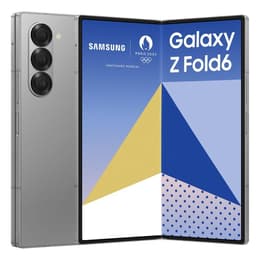
Galaxy Z Fold6
Starting at

Refurbished price:624.00

Versus €1,999.99 new

See options
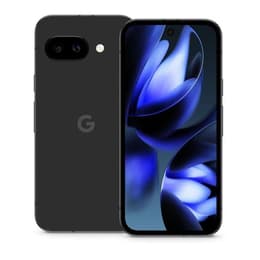
Google Pixel 9a
Starting at

Refurbished price:348.00

Versus €586.09 new

See options

Differences at a glance

The Samsung Galaxy Z Fold6 (2024) and the Google Pixel 9a (2025) represent two distinct smartphone form factors and design philosophies within the modern mobile landscape. While the Galaxy Z Fold6 functions as a high-end foldable device with dual screens, the Google Pixel 9a adopts a traditional slate body geared toward mainstream usability. Both devices run on the Android operating system and deliver extensive long-term software support, yet they target entirely different structural and functional workflows.

Available Models

Colour

Storage (GB)

Scores

Durability

Both smartphones are built to remain supported for years, though their physical durability and construction formats create distinct practical expectations.

  • Software Longevity: Both manufacturers provide extended system update commitments, ensuring years of security updates and modern OS features for both devices.
  • Build and Repairability: The Google Pixel 9a features a rigid slate body with water and dust resistance, while the Galaxy Z Fold6 utilizes complex folding hinge mechanics that require careful handling over extended ownership periods.
  • Expected Lifespan: Traditional slate handsets like the Pixel 9a generally face fewer mechanical wear points over time, whereas foldable devices rely heavily on the resilience of their flexible inner panels.

Year of Release

2024

2025

Compatible with latest Update

Yes

Yes

OS

Android

Android

Foldable

Yes

No

Performance

Handling daily operations, multitasking, and demanding applications differs notably based on internal hardware allocations and system memory.

  • Multitasking Capabilities: The Galaxy Z Fold6 features extensive system memory configurations that allow smooth transitions between multiple open windows, while the Google Pixel 9a handles standard day-to-day apps and background tasks efficiently with streamlined memory architecture.
  • Battery Behavior: The Google Pixel 9a includes a large battery capacity that easily sustains typical daily usage, whereas the Galaxy Z Fold6 powers dual displays and must balance energy consumption across both screens.
  • System Responsiveness: Both devices load everyday applications promptly and navigate menus smoothly, though high-end gaming and intensive processing run with extra headroom on flagship processing hardware.

Screen quality

The viewing experience stands as the most prominent differentiator, shifting between a standard single display and a massive foldable canvas.

  • Display Technology: The Google Pixel 9a uses a vibrant flat OLED panel, whereas the Galaxy Z Fold6 offers a versatile cover screen alongside an expansive foldable inner tablet display.
  • Brightness and Outdoor Clarity: Both models incorporate high-brightness modes that maintain clear visibility under direct sunlight, ensuring content remains legible outdoors.
  • Refresh Rates: High refresh rate support ensures fluid scrolling and responsive touch interaction across the screens of both devices.

Resolution

1856 x 2160

2424 x 1080

Audiovisual

Optics and media playback capabilities cater to varied multimedia preferences, from traditional framing to multi-angle shooting setups.

  • Camera Systems: The Google Pixel 9a relies on a dual rear sensor arrangement optimized by advanced computational software, while the Galaxy Z Fold6 deploys a versatile triple lens array featuring a dedicated telephoto optical zoom.
  • Low-Light and Video: Both smartphones capture detailed low-light photographs and stable high-definition video clips, utilizing stabilization features to reduce blur during movement.
  • Media and Audio Output: Stereo speaker setups on each device provide clear sound output for music playback, hands-free calls, and video streaming.

Front camera

4 megapixels

13 megapixels

Miscellaneous

Physical dimensions, connectivity standards, and daily ergonomics dictate how each device feels during routine handling.

  • Connectivity and Ports: Modern 5G cellular bands, fast Wi-Fi standards, and USB-C connection ports are standard across both models.
  • Biometrics and Sensors: Secure authentication is handled via responsive fingerprint sensors and facial recognition options.
  • Handling and Dimensions: The Google Pixel 9a offers a lightweight, familiar slate profile, whereas the Galaxy Z Fold6 is heavier and thicker when folded, reflecting its dual-screen engineering.

Weight

239 g

186 g

Screen size (in)

7.6

6.3

Network

5G

5G

SIM card

Dual Physical SIM + eSIM

Physical SIM + eSIM

Carrier compatibility

Unlocked

Unlocked

What the community thinks

User discussions and community feedback indicate distinct praise points for each model. Owners of the Google Pixel 9a frequently highlight its reliable everyday battery longevity, clean design, and straightforward handling. Conversely, Galaxy Z Fold6 users often emphasize the productivity advantages of the expansive inner screen and multitasking versatility. Frequent concerns for the Pixel focus on its standard slate limitations, while Fold6 discussions occasionally note the heavier weight and visible crease across the flexible display.

Users prioritizing productivity, multi-window multitasking, and a tablet-sized screen in a pocketable format will find the Galaxy Z Fold6 well-suited to their needs. Meanwhile, users prioritizing a lightweight traditional design, dependable all-day battery performance, and straightforward handling may lean toward the Google Pixel 9a. For buyers exploring a sustainable choice, a quality-assured refurbished option provides an eco-friendly alternative to purchasing brand new.