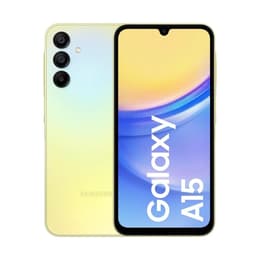
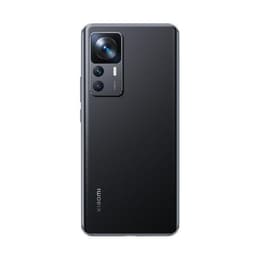


Galaxy A15 Vs Xiaomi 12T

Galaxy A15
Galaxy A15
Starting at

Refurbished price:124.00

Versus €189.00 new

See options
Xiaomi 12T
Xiaomi 12T
Starting at

Refurbished price:140.00

Versus €649.00 new

See options

Ratings

The Samsung Galaxy A15 (released December 2023) and the Xiaomi 12T (released October 2022) are Android-based smartphones that offer distinct experiences for users. While the Galaxy A15 focuses on extended software support and a reliable display, the Xiaomi 12T emphasizes higher performance and faster charging capabilities. Both devices run on the Android operating system, providing access to a wide ecosystem of applications and services.

Scores

Durability

When considering the long-term usability of these devices, several factors come into play, including their release timelines, software support, and physical durability.

  • Release Timeline: The Samsung Galaxy A15 was released in December 2023, making it a newer device compared to the Xiaomi 12T, which launched in October 2022. This difference in release date inherently gives the Galaxy A15 a longer potential lifespan in terms of receiving the latest software and security updates.
  • OS Support: Samsung has committed to providing four generations of Android OS upgrades and five years of security updates for the Galaxy A15. The Xiaomi 12T, on the other hand, typically receives three Android OS updates and four years of security updates from its release. This means the Galaxy A15 is expected to receive software support for a longer duration.
  • Practical Lifespan: Both devices are built with plastic frames, with the Xiaomi 12T featuring a glass back and the Galaxy A15 a plastic back. While neither boasts an official IP rating for water and dust resistance, the extended software commitment for the Galaxy A15 suggests it is designed for a longer practical lifespan in terms of software relevance.

Year of Release

2023

2022

Compatible with latest Update

Yes

Yes

OS

Android

Android

Foldable

No

No

Performance

The performance of a smartphone is crucial for daily tasks, from navigating apps to engaging in more demanding activities like gaming.

  • Processor Capabilities: The Samsung Galaxy A15 is equipped with a processor that handles everyday applications and general multitasking smoothly. The Xiaomi 12T features a more capable processor, designed to offer a more responsive experience, particularly with demanding applications and graphically intensive games.
  • System Responsiveness: Users of the Xiaomi 12T generally report a snappier and smoother overall system responsiveness, making it well-suited for those who prioritize speed and efficiency in their mobile experience. The Galaxy A15 provides a consistent and reliable experience for typical smartphone usage.
  • Multitasking and Storage: Both devices offer various RAM and storage configurations. The Xiaomi 12T often comes with higher base RAM options, which can contribute to more seamless multitasking, especially when switching between numerous open applications. Both support expandable storage via microSD for the Galaxy A15, offering flexibility for users who need more space for media and apps.

Memory (GB)

4 GB

8 GB

Screen quality

The display is a primary interface for any smartphone, and both the Galaxy A15 and Xiaomi 12T offer vibrant viewing experiences with some key differences.

  • Display Technology and Clarity: Both phones feature AMOLED display technology, known for deep blacks and vibrant colors. The Galaxy A15 has a 6.5-inch Super AMOLED display with a resolution of 1080 x 2340 pixels (FHD+). The Xiaomi 12T features a slightly larger 6.67-inch AMOLED display with a higher resolution of 1220 x 2712 pixels, offering enhanced clarity and detail.
  • Refresh Rate and Brightness: The Galaxy A15 offers a 90Hz refresh rate for smoother scrolling and animations. The Xiaomi 12T steps this up with a 120Hz refresh rate, providing an even more fluid visual experience. For brightness, the Galaxy A15 can reach up to 800 nits in high brightness mode, ensuring good visibility outdoors. The Xiaomi 12T also offers strong brightness, with typical brightness around 500 nits and peak brightness up to 900 nits.
  • Viewing Experience: The Xiaomi 12T's higher resolution and refresh rate contribute to a more immersive and detailed viewing experience, particularly for media consumption and gaming. The Galaxy A15 still provides a very good display for its segment, with vibrant colors and good clarity for everyday use.

Resolution

1080 x 2340

1220 x 2712

Screen type

Super AMOLED

AMOLED

Audiovisual

Both smartphones are equipped with multi-camera systems designed to capture various types of photos and videos, though they approach imaging with different primary sensors.

  • Main Camera Capabilities: The Samsung Galaxy A15 features a 50-megapixel main camera, accompanied by a 5-megapixel ultrawide and a 2-megapixel macro lens. The Xiaomi 12T boasts a higher resolution 108-megapixel main camera, which includes Optical Image Stabilization (OIS), alongside an 8-megapixel ultrawide and a 2-megapixel macro lens. The OIS on the Xiaomi 12T's main sensor helps in reducing blur from handshakes, especially in challenging lighting conditions.
  • Photography Performance: The Galaxy A15's main camera produces clear images in good lighting, with colors that are sometimes described as slightly oversaturated. The Xiaomi 12T's higher megapixel count and OIS can result in more detailed and stable photos, particularly in low-light scenarios where OIS can prolong exposure time. Both devices include additional lenses for wider shots and close-ups, though the utility of the 2-megapixel macro lens on both is often considered limited.
  • Video Recording and Front Camera: Both phones support video recording at 1080p at 30 frames per second (fps). The Xiaomi 12T's main camera can record up to 4K at 30fps. For selfies, the Galaxy A15 has a 13-megapixel front camera, while the Xiaomi 12T features a 20-megapixel front camera.

Main camera

50 megapixels

108 megapixels

Front camera

13 megapixels

20 megapixels

Miscellaneous

Beyond core specifications, several practical features and design elements contribute to the overall user experience of these smartphones.

  • Connectivity and Ports: Both the Galaxy A15 and Xiaomi 12T support 5G connectivity, along with modern Wi-Fi standards and Bluetooth. The Galaxy A15 includes a 3.5mm headphone jack and a USB-C 2.0 port. The Xiaomi 12T features a USB-C port and an infrared (IR) blaster, which allows it to function as a universal remote control.
  • Biometrics and Design: The Galaxy A15 incorporates a side-mounted fingerprint sensor. The Xiaomi 12T utilizes an in-display fingerprint scanner for biometric authentication. In terms of build, the Galaxy A15 has a plastic back and frame, weighing around 200 grams. The Xiaomi 12T features a glass back with a plastic frame and weighs approximately 202 grams.
  • Audio Experience: The Xiaomi 12T offers stereo speakers with Dolby Atmos support, providing a more immersive audio experience for media consumption. The Galaxy A15 typically features a single loudspeaker.

Weight

200 g

220 g

Screen size (in)

6.5

6.67

Network

4G

5G

SIM card

Dual Physical SIM

Dual Physical SIM

Carrier compatibility

Unlocked

Unlocked

The Samsung Galaxy A15 and Xiaomi 12T cater to different user priorities, each excelling in specific areas. The Galaxy A15 is often praised for its excellent battery life, which can comfortably last a full day or more for many users, and its commitment to long-term software updates. Users appreciate its vibrant Super AMOLED display for everyday viewing. Some criticisms for the A15 include its processor performance, which, while adequate for general use, may feel less snappy compared to higher-end devices, and the absence of an official IP rating.

The Xiaomi 12T receives commendation for its powerful processor, delivering a smooth and responsive experience for demanding apps and gaming. Its 120Hz AMOLED display and rapid 120W wired charging are also frequently highlighted as strong advantages. However, some users have noted that despite its large battery, real-world battery life can be inconsistent, and the secondary cameras (ultrawide and macro) may not always meet expectations.

Users prioritizing extended software longevity and a reliable, long-lasting battery for general daily use may find the Samsung Galaxy A15 well-suited to their needs. It represents a solid choice for those seeking a dependable smartphone experience over several years. Conversely, users who value higher performance for gaming and demanding applications, coupled with a faster refresh rate display and exceptionally quick charging, may lean toward the Xiaomi 12T. This device offers a more premium feel in terms of raw power and display fluidity.

Both models are available as quality-assured refurbished options, providing an eco-friendly alternative for consumers looking to make informed and sustainable choices.


See all articles

Our recent comparisons