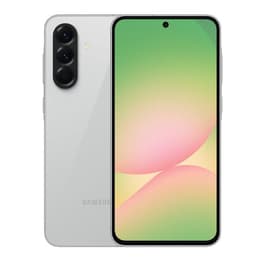



Galaxy A56 Vs Google Pixel 7 Pro

Galaxy A56
Galaxy A56
Starting at

Refurbished price:294.00

Versus €502.00 new

See options
Google Pixel 7 Pro
Google Pixel 7 Pro
Starting at

Refurbished price:201.00

Versus €640.98 new

See options

Ratings

The Samsung Galaxy A56, released in March 2025, and the Google Pixel 7 Pro, launched in October 2022, represent different segments of the smartphone market. The Galaxy A56 is a newer mid-range device from Samsung, offering a balanced set of features, while the Pixel 7 Pro is an older flagship from Google, known for its advanced camera capabilities and pure Android experience. Both devices operate on the Android platform, but they offer distinct user interfaces and software philosophies.

Scores

Durability

When considering the practical lifespan of these devices, several factors come into play, including their release timelines and software support policies.

  • Software Longevity: The Samsung Galaxy A56, being a newer device, is expected to receive six years of Android operating system upgrades and security updates from its March 2025 release, extending its software support until March 2031. The Google Pixel 7 Pro, released in October 2022, was guaranteed five years of OS and security updates, with support concluding around October 2027. This means the Galaxy A56 offers a significantly longer remaining period of official software support. [4, 7, 8, 9, 18, 28, 29]
  • Build Durability: Both devices offer robust construction. The Galaxy A56 features an aluminum frame with Gorilla Glass Victus+ on both the front and back, along with an IP67 rating for dust and water resistance. The Pixel 7 Pro is protected by Gorilla Glass Victus and carries an IP68 rating, indicating slightly better water immersion resistance. [4, 9, 13, 17, 32]
  • Practical Lifespan: Users prioritizing the longest possible software support and up-to-date features will find the Galaxy A56 to be a more future-proof option due to its extended update commitment. The Pixel 7 Pro, while still a capable device, will cease to receive official OS updates sooner.

Year of Release

2025

2022

Compatible with latest Update

Yes

Yes

OS

Android

Android

Foldable

No

No

Performance

The performance of a smartphone is largely determined by its internal components and how efficiently the software utilizes them for daily tasks and demanding applications.

  • Processing Power: The Google Pixel 7 Pro is equipped with a processor designed for flagship-level performance, excelling in complex tasks, advanced computational photography, and machine learning operations, resulting in a highly responsive user experience. The Samsung Galaxy A56 features a processor that provides efficient performance for everyday use, smooth navigation, and capable handling of most applications and moderate gaming. [3, 6, 9, 13, 17, 21, 24]
  • Multitasking and Storage: The Pixel 7 Pro typically comes with 12GB of RAM, which allows for seamless multitasking and quick switching between numerous applications. It offers storage options up to 512GB, though it is not expandable. The Galaxy A56 is available with 8GB or 12GB of RAM and offers up to 256GB of internal storage, which can be expanded via a microSD card, providing flexibility for users with large media libraries. [2, 4, 5, 6, 9, 13, 17]
  • Real-world Responsiveness: Users of the Pixel 7 Pro generally report a very fluid and snappy interface, with applications loading quickly. While the Galaxy A56 delivers a smooth experience for most users, some older A-series devices have shown occasional lag with less optimized software, suggesting that while the A56's newer processor should mitigate this, the Pixel's flagship-tier chip offers a more consistently high-performance ceiling. [22, 25, 33]

Memory (GB)

8 GB

12 GB

Screen quality

The display is a primary interface for smartphone interaction, and both devices offer high-quality viewing experiences with distinct characteristics.

  • Display Technology and Resolution: The Google Pixel 7 Pro features a 6.7-inch QHD+ (3120x1440) LTPO OLED display, which provides exceptional sharpness and detail with a high pixel density. The Samsung Galaxy A56 also has a 6.7-inch Super AMOLED display, offering a Full HD+ (2340x1080) resolution. Both technologies deliver vibrant colors and deep blacks, but the Pixel 7 Pro's higher resolution results in a finer visual experience. [2, 3, 4, 6, 9, 13, 17, 21, 24]
  • Brightness and Smoothness: Both phones feature a 120Hz refresh rate for smooth scrolling and fluid animations. The Pixel 7 Pro's LTPO technology allows for an adaptive refresh rate, ranging from 10Hz to 120Hz, which can contribute to power efficiency. The Galaxy A56 boasts a peak brightness of 1900 nits, ensuring good visibility in bright outdoor conditions, while the Pixel 7 Pro reaches up to 1500 nits peak brightness. [2, 6, 9, 13, 17, 21, 24]
  • Viewing Experience: The Pixel 7 Pro's higher resolution and adaptive refresh rate make it well-suited for users who prioritize crisp details and a consistently smooth visual flow, especially for high-resolution content. The Galaxy A56's bright Super AMOLED display provides an excellent viewing experience for general media consumption and daily tasks, with its high peak brightness being a notable advantage in sunny environments.

Resolution

1080 x 2340

1440 x 3120

Screen type

Super AMOLED

LTPO AMOLED

Audiovisual

The camera systems on both smartphones are designed to capture high-quality images and videos, though they approach photography with different strengths.

  • Rear Camera System: The Google Pixel 7 Pro features a versatile triple camera setup, including a 50MP main sensor, a 12MP ultrawide lens with a wide field of view, and a 48MP telephoto lens capable of 5x optical zoom and up to 30x Super Res Zoom. The Samsung Galaxy A56 also offers a triple camera system with a 50MP main sensor, a 12MP ultrawide, and a 5MP macro lens. The Pixel 7 Pro's dedicated telephoto lens provides greater flexibility for zoomed-in shots. [2, 4, 5, 6, 9, 13, 17]
  • Photography Performance: The Pixel 7 Pro is renowned for its computational photography, delivering excellent still images with natural colors and strong low-light performance. Its software enhancements, like Photo Unblur, further refine image quality. The Galaxy A56's camera system is capable of capturing detailed photos in well-lit conditions and offers good versatility with its ultrawide and macro lenses. Both devices support 4K video recording at 30 frames per second. [4, 6, 9, 13, 19, 21, 22, 25]
  • User Experience: Users often praise the Pixel 7 Pro for its consistent point-and-shoot reliability and the quality of its stills, though some note that video quality can be inconsistent. The Galaxy A56 provides a solid camera experience for most users, offering a range of modes for different photographic needs.

Main camera

4K@30fps

50 megapixels

Front camera

13 megapixels

10.8 megapixels

Miscellaneous

Beyond core performance and display, several practical features and design elements contribute to the overall user experience of a smartphone.

  • Connectivity and Ports: Both devices support 5G connectivity for fast mobile data. The Galaxy A56 includes Wi-Fi 6 and Bluetooth 5.3, while the Pixel 7 Pro features Wi-Fi 6E and Bluetooth 5.2, with Wi-Fi 6E offering access to a less congested band for potentially faster wireless speeds. Both utilize a USB-C port for charging and data transfer, and neither includes a traditional 3.5mm headphone jack. [2, 9, 13, 17]
  • Biometrics and Sensors: Both smartphones incorporate an in-display fingerprint scanner for secure unlocking. The Pixel 7 Pro also offers facial recognition, providing an additional convenient unlocking method. [13, 17, 24]
  • Design and Handling: The Galaxy A56 has dimensions of 162.2 x 77.5 x 7.4mm and weighs 198g, featuring an aluminum frame and glass construction. The Pixel 7 Pro is slightly larger and heavier at 162.9 x 76.6 x 8.9mm and 212g, with a glass and aluminum build. The A56's slightly lighter weight and thinner profile may offer a more comfortable in-hand feel for some users. [2, 4, 17]

Weight

197 g

212 g

Screen size (in)

6.5

6.7

Network

5G

5G

SIM card

Dual Physical SIM + eSIM

Physical SIM + eSIM

Carrier compatibility

Unlocked

Unlocked

The Samsung Galaxy A56 and Google Pixel 7 Pro cater to different user priorities, reflecting their respective market positions and release timelines. User feedback for the Pixel 7 Pro often highlights its exceptional camera capabilities, particularly for still photography, and its clean, responsive Android software experience. Many appreciate its powerful AI features and the overall fluidity of its operation. However, some users have noted that its battery life can be inconsistent under heavy usage, and its video recording, while good, may not always match the quality of its stills. The build quality, while solid, has been described by some as feeling less rigid compared to other flagships. [19, 21, 22, 25]

For the Galaxy A56, common praise points revolve around its extended software support, vibrant Super AMOLED display, and reliable performance for daily tasks. Its strong battery life and fast charging capabilities are also frequently mentioned as positives. As a newer mid-range device, it offers a modern design and a comprehensive feature set that appeals to a broad audience. [2, 6, 9, 30, 31, 32]

Users prioritizing a longer software support window and expandable storage for media will find the Samsung Galaxy A56 well-suited to their needs. Its bright display and robust build make it a practical choice for everyday use. Conversely, users who place a premium on advanced computational photography, a pure Android experience, and top-tier processing for demanding applications may lean toward the Google Pixel 7 Pro. While an older flagship, its camera and software optimizations remain highly competitive. Both devices offer quality-assured refurbished options, providing an eco-friendly alternative for consumers seeking reliable technology.


See all articles

Our recent comparisons