

iPhone 11 Pro Vs iPhone 12 Pro

iPhone 11 Pro
iPhone 11 Pro
Starting at

Refurbished price:184.00

Versus €809.00 new

See options
iPhone 12 Pro
iPhone 12 Pro
Starting at

Refurbished price:232.00

Versus €1,039.00 new

See options

Ratings

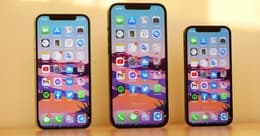
The iPhone 11 Pro, released in September 2019, and the iPhone 12 Pro, launched in October 2020, represent two consecutive generations of Apple's premium smartphone line. While both devices offer a high-end iOS experience, the iPhone 12 Pro introduced a refreshed design, an updated internal architecture, and notable camera enhancements that differentiate it from its predecessor. Both models operate on Apple's iOS platform, ensuring a consistent software ecosystem.

Scores

Durability

When considering the longevity of these devices, several factors come into play, including their release timelines and Apple's typical software support. The iPhone 11 Pro was released in 2019, while the iPhone 12 Pro followed in 2020, giving the latter a natural advantage in terms of its remaining support window.

  • Software Support: Apple generally provides major iOS updates for its iPhones for approximately five to seven years. The iPhone 11 Pro is expected to receive major iOS updates until around Fall 2026, while the iPhone 12 Pro is likely to continue receiving updates until Fall 2027 or potentially Fall 2028. This means the iPhone 12 Pro offers a longer period of access to new features and security patches.
  • Repairability: Both models feature a glass and stainless steel construction, which can be susceptible to damage from drops. The iPhone 12 Pro introduced a Ceramic Shield front cover, designed to offer improved drop performance compared to the iPhone 11 Pro's glass. However, the repairability of internal components is generally comparable between the two, with both requiring specialized tools and expertise for most repairs.
  • Practical Lifespan: Users often report that iPhones remain functional and perform well for several years beyond their last major iOS update, continuing to receive critical security patches. The practical lifespan for everyday use, including app compatibility and general responsiveness, extends beyond the official software support period for both devices.

Year of Release

2019

2020

Compatible with latest Update

Yes

Yes

OS

iOS

iOS

Foldable

No

No

Performance

Both the iPhone 11 Pro and iPhone 12 Pro deliver robust performance for daily tasks and demanding applications, though the newer model features an upgraded internal architecture.

  • Processing Power: The iPhone 12 Pro features a newer generation processor, which provides a noticeable boost in overall speed and efficiency compared to the iPhone 11 Pro's processor. This translates to faster app loading times, smoother multitasking, and more responsive performance in graphically intensive games.
  • Multitasking and Responsiveness: The iPhone 12 Pro includes 6GB of RAM, an increase from the iPhone 11 Pro's 4GB. This additional memory allows the iPhone 12 Pro to handle more applications simultaneously in the background and switch between them more fluidly, contributing to a more seamless user experience, especially for heavy multitaskers.
  • Storage Options: The iPhone 11 Pro was available with 64GB, 256GB, or 512GB of internal storage. The iPhone 12 Pro starts with a base storage of 128GB, also offering 256GB and 512GB configurations. This higher base storage on the iPhone 12 Pro provides more room for apps, photos, and videos without needing to upgrade to a higher tier.

Memory

4 GB

6 GB

Screen quality

The display experience on both the iPhone 11 Pro and iPhone 12 Pro is characterized by vibrant colors and deep blacks, though there are differences in size and protective technology.

  • Display Technology and Clarity: Both devices feature Super Retina XDR OLED displays, known for their excellent contrast and color accuracy. They offer similar pixel densities, resulting in sharp and clear visuals for text and images.
  • Size and Viewing Experience: The iPhone 11 Pro has a 5.8-inch display. The iPhone 12 Pro features a slightly larger 6.1-inch display within a chassis that is not significantly larger, achieved through reduced bezels. This provides a more expansive viewing area for media consumption and general use.
  • Brightness and Durability: Both screens offer high peak brightness levels, ensuring good visibility even in bright outdoor conditions. A key difference is the iPhone 12 Pro's Ceramic Shield front cover, which Apple states offers improved drop resistance compared to the iPhone 11 Pro's display glass.

Resolution

1125 x 2436

1170 x 2532

Screen type

Super Retina XDR OLED

Super Retina XDR OLED

Audiovisual

Both the iPhone 11 Pro and iPhone 12 Pro feature versatile triple-camera systems, but the iPhone 12 Pro introduces several advancements, particularly in low-light performance and computational photography.

  • Camera System and Low-Light Performance: Both phones are equipped with 12-megapixel wide, ultra-wide, and telephoto lenses. The iPhone 12 Pro's main wide camera features a wider aperture, allowing it to capture more light, which translates to improved low-light photos. It also extends Night mode capabilities to the ultra-wide lens and enables Night mode portraits, features not present on the iPhone 11 Pro.
  • Autofocus and Video Capabilities: The iPhone 12 Pro incorporates a LiDAR scanner, which significantly enhances autofocus speed and accuracy in low-light conditions, benefiting both photos and videos. Additionally, the iPhone 12 Pro supports Dolby Vision HDR video recording, offering a wider dynamic range and more vibrant colors in recorded footage.
  • Overall Image Quality: While the iPhone 11 Pro delivers excellent photos, especially in good lighting, the iPhone 12 Pro generally produces images with slightly better detail, contrast, and color saturation, particularly in challenging lighting scenarios. The improvements are often subtle but contribute to a more refined output.

Main camera

12 megapixels

12 megapixels

Front camera

12 megapixels

12 megapixels

Miscellaneous

Beyond core performance and camera, several practical elements distinguish the user experience between these two iPhone models.

  • Connectivity: A significant upgrade in the iPhone 12 Pro is the inclusion of 5G cellular connectivity, offering potentially faster download and upload speeds in supported areas compared to the iPhone 11 Pro, which is limited to 4G LTE. Both support modern Wi-Fi standards and Bluetooth.
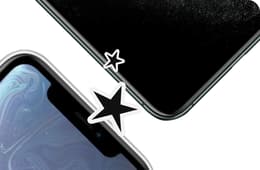
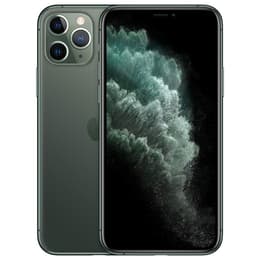
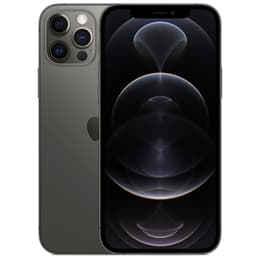
  • Design and Build Materials: The iPhone 11 Pro features a design with rounded stainless steel edges and a frosted glass back. The iPhone 12 Pro adopts a flatter-edged design, reminiscent of older iPhone models, also with a stainless steel frame and frosted glass back. The iPhone 12 Pro is slightly thinner and introduces the Ceramic Shield front cover for enhanced durability.
  • Additional Features: The iPhone 12 Pro introduced MagSafe, a magnetic system on the back of the phone that allows for easy attachment of accessories like chargers and cases. Both devices rely on Face ID for secure authentication and utilize the Lightning port for charging and data transfer.

Weight

188 g

187 g

Screen size (in)

5.8

6.1

Network

4G

5G

SIM card

Physical SIM + eSIM

Physical SIM + eSIM

Carrier compatibility

Unlocked

Unlocked

Connector

Lightning

Lightning

The iPhone 11 Pro and iPhone 12 Pro both offer a premium smartphone experience, but cater to slightly different priorities. Users frequently praise the iPhone 11 Pro for its exceptional battery life, often noting it can comfortably last a full day or more for many users. Its compact size and rounded edges are also often cited as providing a comfortable in-hand feel. Some users, however, found its design to be less fresh compared to newer models.

The iPhone 12 Pro, on the other hand, is often lauded for its modern, flat-edged design and the enhanced durability provided by the Ceramic Shield front. Its camera improvements, particularly in low-light conditions and the addition of Dolby Vision video, are frequently highlighted as significant advantages. However, some users have noted that the iPhone 12 Pro's battery life, while still capable of lasting a day for many, can be less enduring than its predecessor under heavy use.

Users prioritizing extended battery life and a more traditional, rounded iPhone feel may find the iPhone 11 Pro well-suited to their needs. Those who value a more contemporary design, improved low-light photography, faster performance, and future-proofing with 5G connectivity will likely lean towards the iPhone 12 Pro. Both models remain capable devices, and choosing a quality-assured refurbished option for either can be an eco-friendly alternative for consumers seeking reliable technology.


See all articles

Our recent comparisons