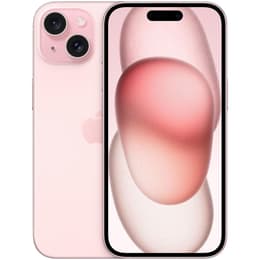


iPhone 12 Pro Vs iPhone 15

iPhone 12 Pro
iPhone 12 Pro
Starting at

Refurbished price:214.00

Versus €1,039.00 new

See options
iPhone 15
iPhone 15
Starting at

Refurbished price:399.00

Versus €879.00 new

See options

Ratings

The iPhone 12 Pro, released in October 2020, and the iPhone 15, launched in September 2023, represent different generations within Apple's smartphone lineup. While both devices operate on Apple's iOS ecosystem, the iPhone 15 introduces several advancements in camera technology, processing capabilities, and user interface elements, reflecting three years of technological evolution.

Scores

Durability

The longevity of a smartphone is influenced by its initial release, ongoing software support, and ease of repair. These factors determine how long a device remains functional and secure for daily use.

  • Release Timeline: The iPhone 12 Pro was released in October 2020, making it an older model compared to the iPhone 15, which launched in September 2023. This three-year difference impacts their respective support lifecycles.
  • Software Longevity: The iPhone 12 Pro is expected to receive major iOS updates through 2027, with security updates potentially extending beyond that. The newer iPhone 15 is anticipated to receive major iOS updates until approximately 2035, offering a significantly longer period of new features and security patches.
  • Repairability: The iPhone 12 Pro received a repairability score of 6 out of 10, indicating that many components are modular and relatively accessible for repair, despite the use of proprietary screws and increased waterproofing measures. The iPhone 15 initially had a lower repairability score, but it was later promoted to 7 out of 10 due to software improvements that facilitate part calibration, making repairs more feasible for authorized technicians.

Year of Release

2020

2023

Compatible with latest Update

Yes

Yes

OS

iOS

iOS

Foldable

No

No

Performance

Performance differences between these models stem from their internal components, affecting how smoothly they handle applications and daily tasks.

  • System Responsiveness: The iPhone 15 features a more recent generation processor, which translates to faster app loading times, smoother transitions between applications, and more efficient handling of demanding tasks compared to the iPhone 12 Pro.
  • Multitasking and Gaming: Users will experience enhanced fluidity when running multiple applications simultaneously or engaging in graphics-intensive mobile gaming on the iPhone 15. While the iPhone 12 Pro still offers capable performance for everyday use, the newer model provides more headroom for future software and more complex applications.
  • Battery Behavior: The iPhone 12 Pro generally provides a full day of battery life with moderate usage, though heavy users might find themselves needing to recharge before the day ends. The iPhone 15 typically offers all-day battery life even with medium to heavy usage, providing a more consistent experience for users who rely on their device extensively throughout the day.

Memory (GB)

6 GB

6 GB

Screen quality

Both devices feature high-quality displays, but the iPhone 15 incorporates newer display technologies that enhance the viewing experience.

  • Display Technology and Clarity: Both the iPhone 12 Pro and iPhone 15 utilize Super Retina XDR OLED displays, offering deep blacks, high contrast, and vibrant colors. The iPhone 15, however, features a slightly higher resolution of 2556x1179 pixels compared to the iPhone 12 Pro's 2532x1170 pixels, both at approximately 460 pixels per inch (ppi).
  • Brightness Levels: The iPhone 15 offers significantly improved brightness, with a typical maximum brightness of 1,000 nits and a peak outdoor brightness of up to 2,000 nits, making it easier to view content in bright sunlight. The iPhone 12 Pro has a typical maximum brightness of 800 nits and a peak HDR brightness of 1,200 nits.
  • Refresh Rate and User Interface: Both models feature a standard 60Hz refresh rate, which provides a smooth experience for most daily interactions. The iPhone 15 also introduces the Dynamic Island, an interactive area at the top of the display that adapts to show alerts, activities, and notifications, enhancing the user interface.

Resolution

1170 x 2532

1179 x 2556

Screen type

Super Retina XDR OLED

Super Retina XDR OLED

Audiovisual

Camera systems have seen notable advancements between these two generations, impacting photo and video capabilities.

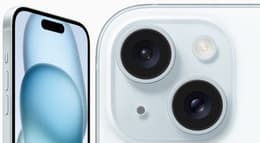
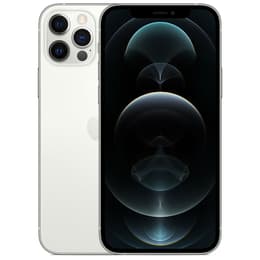
  • Main Camera System: The iPhone 12 Pro features a versatile triple 12-megapixel camera system, including Wide, Ultra-Wide, and Telephoto lenses, along with a LiDAR scanner for improved low-light autofocus and augmented reality. The iPhone 15 upgrades to a dual-camera system with a 48-megapixel main camera and a 12-megapixel ultra-wide camera. The 48-megapixel sensor uses pixel-binning technology to produce highly detailed 24-megapixel photos by default, offering greater detail and flexibility.
  • Photography Performance: The iPhone 15 generally offers improved low-light performance and enhanced computational photography features, leading to more detailed and color-accurate images in various conditions. While the iPhone 12 Pro's camera system is still capable, especially with its dedicated telephoto lens, the iPhone 15's larger main sensor and newer processing provide an edge in overall image quality and versatility.
  • Video Recording: Both devices are capable of high-quality video recording. The iPhone 15 benefits from newer processing, which can result in more stable and detailed video capture, particularly in challenging lighting. The iPhone 12 Pro's video capabilities include Dolby Vision HDR recording.

Main camera

12 megapixels

48 megapixels

Front camera

12 megapixels

12 megapixels

Miscellaneous

Beyond core features, several practical elements differentiate the user experience between these two iPhone models.

  • Connectivity and Ports: Both devices support 5G connectivity for faster mobile data speeds. The iPhone 12 Pro uses the Lightning port for charging and data transfer. The iPhone 15 transitions to a USB-C port, offering broader compatibility with other electronic devices and potentially faster data transfer speeds.
  • Biometric Security: Both models rely on Face ID for secure authentication and unlocking.
  • Build Materials and Dimensions: The iPhone 12 Pro features a stainless steel frame and a Ceramic Shield front cover, giving it a premium feel and enhanced durability. It weighs 189 grams. The iPhone 15 uses an aluminum design with a color-infused glass back and a Ceramic Shield front, resulting in a slightly lighter device at 171 grams.

Weight

187 g

171 g

Screen size (in)

6.1

6.1

Network

5G

5G

SIM card

Physical SIM + eSIM

eSIM

Carrier compatibility

Unlocked

Unlocked

Connector

Lightning

USB-C (USB 2)

Choosing between the iPhone 12 Pro and the iPhone 15 involves weighing the benefits of a more recent model against the continued capabilities of an older, yet still robust, device. User feedback for the iPhone 12 Pro often praises its durable build, capable camera system with a dedicated telephoto lens, and consistent performance for its age. Criticisms sometimes point to its battery life for heavy users and the 60Hz display, which some newer phones have surpassed. The iPhone 15, on the other hand, is frequently lauded for its significantly improved camera, brighter display with the Dynamic Island, and the convenience of the USB-C port. Some users might note that its standard refresh rate remains at 60Hz, similar to its predecessor, and that the base model does not include a telephoto lens.

Users prioritizing the latest camera technology, a brighter screen for outdoor visibility, and a longer software support window will find the iPhone 15 to be a compelling choice. Its transition to USB-C also offers a more universally compatible charging and data solution. Conversely, individuals who value a dedicated telephoto lens, a stainless steel build, and are content with slightly older but still capable performance may find the iPhone 12 Pro suitable for their needs. Both devices offer a quality-assured refurbished option, providing an eco-friendly alternative for consumers seeking reliable technology.


See all articles

Our recent comparisons