

Compare models

Google Pixel Fold Vs iPhone Air

  • 1-year minimum warranty
  • Free delivery on all orders
  • Free 30-day returns
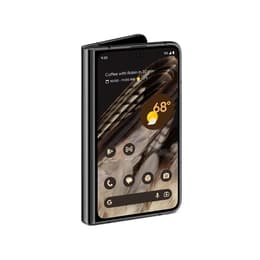
Google Pixel Fold
Starting at

Refurbished price:€648.00

Versus €1,750.29 new

See options
iPhone Air
Starting at

Refurbished price:€717.00

Versus €1,339.00 new

See options

Differences at a glance

The Google Pixel Fold (2023) and the iPhone Air (2025) represent two entirely different approaches to modern mobile engineering. While the Google Pixel Fold introduces a dual-screen book-style folding design running on the Android operating system, the iPhone Air prioritizes an ultra-slim, lightweight slate form factor powered by Apple's iOS platform. These distinct hardware concepts cater to completely different everyday usability needs.

Available Models

Colour

Storage

Scores

Durability

Device longevity and durability are shaped by contrasting hardware layouts, release timelines, and software support frameworks.

  • Software Support and Updates: The iPhone Air benefits from Apple's extended multi-year update timeline, whereas the Google Pixel Fold relies on Google's specified major update and security patch lifecycle.
  • Physical Construction: The iPhone Air utilizes a rigid single-piece titanium frame and reinforced glass, while the Google Pixel Fold incorporates a complex hinge mechanism and a flexible internal screen that requires careful handling.
  • Repairability and Lifespan: Traditional slate designs like the iPhone Air generally offer simpler structural maintenance compared to intricate multi-screen foldable devices like the Pixel Fold.

Year of Release

2023

2025

Performance

System responsiveness and day-to-day multitasking capabilities vary based on internal hardware optimization and memory configuration.

  • App Loading and Multitasking: Both devices handle demanding applications, split-screen workflows, and background tasks smoothly, maintaining consistent fluidity during heavy daily usage.
  • Storage and Memory: The iPhone Air provides high-capacity storage tiers paired with generous random access memory, matching the robust multi-gigabyte memory allocation found on the Google Pixel Fold.
  • Battery Behavior: The Google Pixel Fold manages power across two distinct displays, whereas the iPhone Air balances power consumption through efficient thermal management within its exceptionally thin chassis.

Screen quality

Visual experiences differ significantly due to the fundamental divergence between a multi-display folding mechanism and a single large ultra-thin panel.

  • Display Technology: The Google Pixel Fold features a standard exterior screen paired with a large interior OLED panel, while the iPhone Air uses a single expansive Super Retina XDR OLED display.
  • Brightness and Outdoor Clarity: Both models deliver high peak brightness levels, ensuring legible content and vibrant colors even under direct sunlight.
  • Refresh Rate and Smoothness: Adaptive high refresh rate technology is standard on both devices, enabling fluid scrolling and responsive touch interactions across all supported applications.

Audiovisual

Optics and media consumption hardware are tailored to different photography workflows and audio-visual preferences.

  • Camera System Versatility: The Google Pixel Fold equips a triple-lens rear camera setup including wide, ultra-wide, and telephoto sensors, while the iPhone Air features a streamlined single high-megapixel fusion main camera system.
  • Everyday and Low-Light Imaging: Both smartphones process shadows and highlights effectively, producing sharp details and balanced colors in diverse lighting conditions.
  • Audio Output: Built-in stereo and mono speaker configurations deliver clear voice calls and adequate sound output for casual video viewing or listening without external accessories.

Miscellaneous

Physical dimensions, connectivity standards, and daily handling characteristics highlight practical differences in portability.

  • Dimensions and Weight: The iPhone Air focuses on a featherlight, ultra-thin profile that slips easily into pockets, while the Google Pixel Fold has a heavier, more substantial footprint when folded or opened.
  • Biometrics and Authentication: Security is handled via facial recognition technology on the iPhone Air, compared to fingerprint recognition integrated into the power button on the Google Pixel Fold.
  • Connectivity Options: Both devices support modern wireless communication protocols, global satellite messaging features, and universal USB-C cable standards for charging.

Screen size (in)

7.6

6.5

Network

5G

5G

SIM card

Physical SIM + eSIM

eSIM

Carrier compatibility

Unlocked

Unlocked

Connector

USB-C

USB-C

What the community thinks

User feedback from online communities indicates that consumers appreciate the Google Pixel Fold for its expansive tablet-sized inner canvas that enhances multitasking and media viewing. However, frequent discussions note concerns regarding its heavier weight and the delicate nature of folding screens. Conversely, users frequently praise the iPhone Air for its remarkable thinness, lightweight construction, and dependable everyday performance, though some point out the limitation of having a single rear camera lens.

Users prioritizing maximum screen workspace and multi-app split views will find the Google Pixel Fold well-suited to their workflow, while users favoring a lightweight, ultra-slim device with streamlined handling may prefer the iPhone Air. Choosing a quality-assured refurbished option through platforms like Back Market provides an eco-friendly way to access these advanced technologies while supporting sustainable consumption habits. Ultimately, the right choice depends entirely on whether personal habits lean toward a multi-screen folding layout or a traditional slim smartphone format.