
Galaxy S25 Ultra Vs iPhone 14 Pro

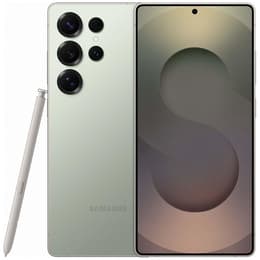
Galaxy S25 Ultra
Galaxy S25 Ultra
Starting at

Refurbished price:735.00

Versus €1,408.78 new

See options
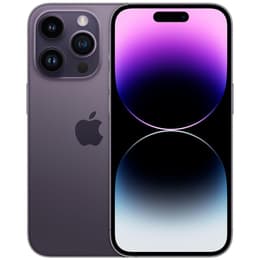
iPhone 14 Pro
iPhone 14 Pro
Starting at

Refurbished price:423.00

Versus €1,339.00 new

See options

Ratings

The Samsung Galaxy S25 Ultra, released in February 2025, and the Apple iPhone 14 Pro, launched in September 2022, represent distinct approaches to high-end smartphone design and functionality. While both devices offer premium experiences, they cater to different user preferences through their respective operating systems, Android and iOS, and vary significantly in their display characteristics and camera capabilities. The Galaxy S25 Ultra emphasizes a larger screen and integrated stylus, whereas the iPhone 14 Pro introduces Apple's Dynamic Island and advanced photographic features.

Scores

Durability

The expected practical lifespan of a smartphone is influenced by its release timeline, software support, and physical durability features. These two devices offer different longevity prospects.

  • Release Timeline: The Galaxy S25 Ultra was released in February 2025, making it a significantly newer device compared to the iPhone 14 Pro, which launched in September 2022. This age difference directly impacts their remaining software support cycles.
  • Software Longevity: The Galaxy S25 Ultra is expected to receive up to seven major Android operating system upgrades, ensuring extended software support. The iPhone 14 Pro, while known for Apple's long-term iOS support, will naturally have a shorter remaining update window due to its earlier release.
  • Physical Durability: The Galaxy S25 Ultra features a titanium body and Corning Gorilla Armor 2, which offers enhanced scratch resistance and can withstand drops from up to 2.2 meters onto surfaces simulating concrete. The iPhone 14 Pro utilizes a Ceramic Shield front cover and a stainless steel frame, providing robust protection against drops and scratches, and both devices carry an IP68 rating for water and dust resistance.

Year of Release

2025

2022

Compatible with latest Update

Yes

Yes

OS

Android

iOS

Foldable

No

No

Performance

Performance in daily use is a critical factor, encompassing how smoothly applications run, the device's responsiveness, and its ability to handle demanding tasks.

  • System Responsiveness: The Galaxy S25 Ultra is powered by a current-generation processor, the Snapdragon 8 Elite for Galaxy, designed to deliver smooth operation and efficient handling of various applications. The iPhone 14 Pro features the A16 Bionic chip, which provides a highly responsive user experience, quick app loading, and fluid navigation within the iOS ecosystem.
  • Multitasking and Demanding Apps: Both devices are engineered to manage multiple applications simultaneously and run graphically intensive games or productivity software without significant slowdowns. The Galaxy S25 Ultra typically offers 12GB or 16GB of RAM, providing ample capacity for extensive multitasking. The iPhone 14 Pro comes with 6GB of RAM, optimized by iOS to maintain efficient performance even with numerous apps open.
  • Battery Behavior: The Galaxy S25 Ultra is equipped with a 5000mAh battery, generally providing extended usage times for most users. The iPhone 14 Pro has a smaller battery capacity, around 3200mAh, but its optimized software often allows it to last a full day for average use, though heavy users might find themselves needing to recharge by evening.

Memory (GB)

12 GB

6 GB

Screen quality

The display is a primary interface for user interaction, and both devices offer high-quality visual experiences with distinct characteristics.

  • Display Technology and Size: The Galaxy S25 Ultra features a large 6.9-inch Dynamic LTPO AMOLED 2X display, offering vibrant colors and deep blacks. The iPhone 14 Pro has a 6.1-inch Super Retina XDR OLED display, also known for its excellent color accuracy and contrast.
  • Resolution and Clarity: The S25 Ultra provides a QHD+ resolution of 3120x1440 pixels, resulting in a sharp and detailed image. The iPhone 14 Pro offers a resolution of 2556x1179 pixels at 460 pixels per inch, delivering clear and crisp visuals.
  • Brightness and Refresh Rate: Both phones feature adaptive refresh rates up to 120Hz for smooth scrolling and animations. The Galaxy S25 Ultra can reach a peak brightness of 2600 nits, while the iPhone 14 Pro achieves up to 2000 nits peak brightness outdoors, ensuring good visibility in various lighting conditions. The iPhone 14 Pro also includes an Always-On display feature.

Resolution

1080 x 2340 pixels

1179 x 2556

Audiovisual

Camera systems are a significant focus for both manufacturers, with each device offering advanced capabilities for photography and videography.

  • Rear Camera System: The Galaxy S25 Ultra boasts a versatile quad-camera setup, including a 200MP main sensor, a 50MP ultra-wide, and two telephoto lenses (50MP and 10MP), providing extensive zoom capabilities. The iPhone 14 Pro features a Pro camera system with a 48MP main sensor, a 12MP ultra-wide, and a 12MP 3x telephoto lens, all enhanced by Apple's Photonic Engine for improved image processing.
  • Photography Performance: The S25 Ultra offers high-resolution capture and advanced zoom, suitable for detailed and distant shots. The iPhone 14 Pro excels in capturing sharp, detailed images with strong low-light performance and natural color reproduction, even in its default 12MP output. Both devices offer various modes for creative photography.
  • Video Recording and Audio: Both phones support high-quality video recording, with the iPhone 14 Pro featuring Cinematic Mode for depth-of-field effects and Action Mode for stabilized footage. The S25 Ultra also offers advanced video capabilities. Microphone quality for calls and recording is generally high on both, and their speaker outputs provide a clear audio experience for media consumption.

Front camera

8K@24/30fps

12 megapixels

Miscellaneous

Beyond core features, several practical elements contribute to the overall user experience and device utility.

  • Connectivity Options: Both devices support 5G for fast cellular data, and modern Wi-Fi standards (Wi-Fi 7 for S25 Ultra, Wi-Fi for iPhone 14 Pro) for robust wireless internet. They also include Bluetooth for accessory connections and NFC for contactless payments. The S25 Ultra supports Ultra-Wideband (UWB).
  • Ports and Biometrics: The Galaxy S25 Ultra features a USB Type-C 3.2 port, offering faster data transfer speeds and broader compatibility with peripherals, including DisplayPort 1.2 and OTG support. The iPhone 14 Pro uses Apple's proprietary Lightning port. For security, the S25 Ultra uses an ultrasonic in-screen fingerprint sensor, while the iPhone 14 Pro relies on Face ID.
  • Design and Handling: The S25 Ultra has a larger 6.9-inch display and includes an integrated S Pen for note-taking and navigation. The iPhone 14 Pro has a 6.1-inch display and introduces the Dynamic Island, a dynamic notification and activity hub. The S25 Ultra has a titanium body and rounded corners, while the iPhone 14 Pro features a stainless steel frame.

Weight

2 g

206 g

Screen size (in)

6.9

6.1

Network

5G

5G

SIM card

Physical SIM + eSIM

Physical SIM + eSIM

Carrier compatibility

Unlocked

Unlocked

Connector

USB-C

Lightning

The Samsung Galaxy S25 Ultra and the iPhone 14 Pro cater to different user priorities, reflecting their distinct ecosystems and design philosophies. Users frequently praise the Galaxy S25 Ultra for its expansive display, integrated S Pen functionality, and the versatility of its camera system, particularly its zoom capabilities. Its long software support commitment and customizable Android experience are also strong points. Some common criticisms include concerns about default camera settings for motion, the display still utilizing 8-bit technology, and charging speeds not being the fastest compared to some competitors.

The iPhone 14 Pro is often lauded for its exceptional camera performance, especially in low light, the fluid 120Hz ProMotion display, and the innovative Dynamic Island feature. Users appreciate the consistent and optimized iOS experience. However, some users have noted potential for overheating during extended professional photo/video use, and the continued use of the Lightning port is a frequent point of contention.

Users prioritizing a large display, an integrated stylus for productivity, and extensive camera zoom capabilities may find the Galaxy S25 Ultra well-suited to their needs. Its Android operating system also offers greater customization. Conversely, users who value a compact form factor, a highly optimized and consistent software experience, and advanced computational photography with unique interface elements like the Dynamic Island may lean toward the iPhone 14 Pro. Both devices offer robust performance and premium build quality. For those considering an eco-friendly alternative, quality-assured refurbished options for both models are available, providing a sustainable choice for acquiring these advanced smartphones.


See all articles

Our recent comparisons