

Google Pixel 9 Vs iPhone 16 Pro

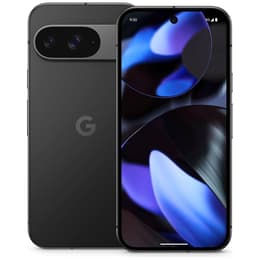
Google Pixel 9
Google Pixel 9
Starting at

Refurbished price:376.00

Versus €1,066.71 new

See options
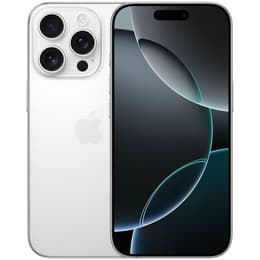
iPhone 16 Pro
iPhone 16 Pro
Starting at

Refurbished price:650.00

Versus €1,239.00 new

See options

Ratings

The Google Pixel 9, released in August 2024, and the iPhone 16 Pro, launched in September 2024, represent the latest iterations from their respective manufacturers in the competitive smartphone market. Both devices operate on distinct ecosystems, with the Pixel 9 running on Android 15 and the iPhone 16 Pro on iOS 18. While they share a focus on advanced photography and robust performance, key differentiators lie in their camera philosophies, software longevity commitments, and display characteristics.

Scores

Durability

When considering the long-term usability of a smartphone, software support and physical durability are crucial factors.

  • Software Longevity: The Google Pixel 9 offers an extended software support period, with a commitment to seven years of OS and security updates, ensuring support until at least August 2031. This means users can expect to receive major Android versions and security patches for a considerable duration. The iPhone 16 Pro, while not having an explicit public commitment as long as the Pixel, typically receives 5-6 years of major iOS updates from Apple, followed by security updates.
  • Repairability: The iPhone 16 Pro has seen significant improvements in its repairability, earning an iFixit score of 7 out of 10. This is attributed to a dual-entry design, a hard steel case for its battery, and software enhancements like iOS 18's Repair Assistant, making common repairs more accessible. The Google Pixel 9 has a provisional iFixit score of 5 out of 10, with some reports indicating a dual-entry design for easier access to internal components, but the battery remains secured with strong adhesive, potentially complicating removal.
  • Physical Durability: Both devices feature robust build materials designed to withstand daily use. The iPhone 16 Pro incorporates Ceramic Shield for enhanced screen protection and an IP68 rating for dust and water resistance. The Pixel 9 also boasts an IP68 rating and is protected by Corning Gorilla Glass Victus 2 on its display.

Year of Release

2024

2024

Compatible with latest Update

Yes

Yes

Foldable

No

No

Performance

Both the Google Pixel 9 and iPhone 16 Pro are engineered to deliver smooth and responsive user experiences, handling demanding applications and multitasking with ease.

  • Processing Power: The iPhone 16 Pro is equipped with a current-generation processor that enables swift app launches, fluid navigation, and efficient handling of graphics-intensive tasks like gaming and video editing. The Google Pixel 9 features a powerful processor designed to optimize performance for AI-driven features and everyday operations, ensuring a responsive experience across various applications.
  • Multitasking and Storage: The Pixel 9 comes with 12GB of RAM, providing ample capacity for running multiple applications simultaneously without slowdowns. The iPhone 16 Pro offers 8GB of RAM, which, combined with its optimized operating system, allows for efficient multitasking. Both devices offer various internal storage options, with the iPhone 16 Pro providing configurations up to 1TB, while the Pixel 9 is available with up to 256GB.
  • Battery Behavior: The Pixel 9 houses a 4700 mAh battery, which users report generally lasts through a full day of moderate use, with efficiency varying based on network usage (5G consuming more power than Wi-Fi). The iPhone 16 Pro, with a 3582 mAh battery, also offers notable battery life improvements over its predecessors, with many users finding it capable of lasting a full day, even under heavy usage or during travel.

Memory (GB)

12 GB

8 GB

Screen quality

The visual experience on both smartphones is a highlight, with each device offering a high-quality display tailored for vibrant and clear content consumption.

  • Display Technology and Clarity: The Google Pixel 9 features a 6.3-inch Actua OLED display, providing deep blacks and vibrant colors with a resolution of 1080x2424 pixels, resulting in a pixel density of 422 PPI. The iPhone 16 Pro sports a 6.3-inch Super Retina XDR OLED display, offering a higher resolution of 2622x1206 pixels and a pixel density of 460 PPI, contributing to sharp and detailed visuals.
  • Brightness and Refresh Rate: The Pixel 9's display can reach up to 1800 nits for HDR content and a peak brightness of 2700 nits, ensuring good visibility in various lighting conditions. It also features an adaptive refresh rate that can scale from 60Hz to 120Hz for smooth scrolling and animations. The iPhone 16 Pro's display offers a typical brightness of 1000 nits and a peak brightness of 2000 nits for HDR content. It also supports a dynamic refresh rate of up to 120Hz, providing a fluid visual experience.
  • Viewing Experience: Both devices offer immersive viewing experiences with their OLED panels. The iPhone 16 Pro features thinner display borders, maximizing the screen-to-body ratio. The Pixel 9's display is protected by Corning Gorilla Glass Victus 2.

Resolution

1080 x 2424

1206 x 2622

Screen type

OLED

LTPO Super Retina XDR OLED

Audiovisual

Both the Google Pixel 9 and iPhone 16 Pro are designed with advanced camera systems, though they approach photography with distinct strengths and features.

  • Rear Camera Systems: The Google Pixel 9 is equipped with a dual-camera setup on the rear, featuring a 50MP wide camera with optical and electronic image stabilization, and a 48MP ultrawide camera with a 123-degree field of view and autofocus. The iPhone 16 Pro boasts a triple-camera system, including a 48MP wide camera, a 12MP periscope telephoto lens, and a 48MP ultrawide camera, complemented by a TOF 3D LiDAR scanner for enhanced depth sensing.
  • Photography and Video Features: The Pixel 9 leverages its computational photography for detailed images, with an upgraded ultrawide sensor compared to its predecessor. The iPhone 16 Pro introduces a new 48MP Ultra Wide camera with autofocus and a 48MP Fusion camera for faster data processing. It supports 4K120 fps video recording in Dolby Vision and offers Apple Log for professional video workflows, which users appreciate for its flexibility in color grading. A dedicated Camera Control button on the iPhone 16 Pro provides quick access to camera functions.
  • Low-Light Performance and User Experience: The main camera on the iPhone 16 Pro shows improved low-light performance, though the ultrawide and telephoto lenses may struggle in very dim conditions. The Pixel 9's camera system is known for its consistent performance across various lighting scenarios. Users of both devices generally find the main cameras to produce excellent results, with the iPhone's Apple Log feature being particularly valued by filmmakers.

Main camera

50 megapixels

48 megapixels

Front camera

10.5 megapixels

12 megapixels

Miscellaneous

Beyond core performance and display, several practical elements contribute to the overall user experience of these devices.

  • Connectivity and Ports: The iPhone 16 Pro supports Wi-Fi 7, Bluetooth 5.3, and features a USB-C port with 10Gbps data transfer speeds. It also includes Ultra-wideband and Thread for enhanced connectivity. The Google Pixel 9 offers 5G connectivity and a USB-C port for charging and data transfer.
  • Biometric Security: The Pixel 9 incorporates an upgraded under-display ultrasonic fingerprint sensor, which users have found to be faster and more accurate than previous optical sensors. The iPhone 16 Pro relies on Face ID for secure facial recognition.
  • Physical Design and Handling: The iPhone 16 Pro measures 149.6 x 71.5 x 8.25mm and weighs 199g, featuring a durable titanium design. The Google Pixel 9 has dimensions of 152.8 x 72.0 x 8.5mm and weighs 198g. Both devices offer a comfortable in-hand feel, with the iPhone 16 Pro's thinner bezels contributing to a more expansive screen.
  • Additional Features: The iPhone 16 Pro includes a TOF 3D LiDAR scanner, which can enhance augmented reality experiences and improve autofocus in low light. The Pixel 9 integrates Google's Tensor G4 processor with a Titan M2 security coprocessor for enhanced security.

Weight

198 g

199 g

Screen size (in)

6.3

6.3

Network

5G

5G

SIM card

Physical SIM + eSIM

eSIM

Carrier compatibility

Unlocked

Unlocked

Connector

USB-C

USB-C (USB 3)

The Google Pixel 9 and iPhone 16 Pro each offer compelling packages, catering to different user preferences and priorities. User feedback for the Pixel 9 often praises its consistent camera performance and the significant commitment to software updates, making it an attractive option for those seeking long-term Android support. Some users have noted the improved battery life as a welcome change from previous Pixel generations.

Conversely, the iPhone 16 Pro receives commendation for its robust build quality, the advancements in its camera system, particularly for video professionals with features like Apple Log, and its enhanced repairability. Users frequently highlight the smooth integration within the Apple ecosystem and the reliable performance for demanding tasks.

Users prioritizing an extended software support timeline and a strong focus on computational photography within the Android ecosystem may find the Google Pixel 9 well-suited to their needs. Its improved battery life and upgraded display also contribute to a solid daily experience. On the other hand, users who value a highly refined iOS experience, advanced video capabilities, a more repairable design, and a wider range of storage options may lean toward the iPhone 16 Pro. Its brighter display and powerful processing capabilities make it a strong contender for those seeking a premium smartphone experience.

Ultimately, the choice between these two devices depends on individual priorities, whether it's the longevity of software updates, specific camera features, or the preferred operating system. Both devices are available as quality-assured refurbished options, providing a sustainable choice for consumers.


See all articles

Our recent comparisons