

Galaxy S10+ Vs iPhone SE (2020)

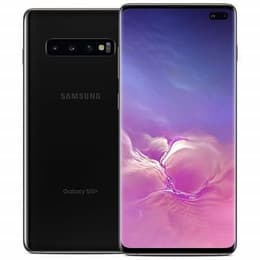
Galaxy S10+
Galaxy S10+
Starting at

Refurbished price:135.00

Versus €1,009.00 new

See options
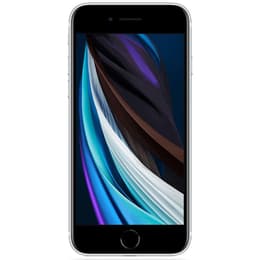
iPhone SE (2020)
iPhone SE (2020)
Starting at

Refurbished price:99.00

Versus €319.00 new

See options

Ratings

The Samsung Galaxy S10 Plus, released in March 2019, and the iPhone SE 2020, launched in April 2020, represent distinct approaches to smartphone design and functionality from their respective manufacturers. While the Galaxy S10 Plus offered a large, expansive display and a versatile multi-camera system, the iPhone SE 2020 focused on delivering powerful performance in a compact, classic iPhone form factor. Both devices run on different operating systems, with the Galaxy S10 Plus utilizing Android and the iPhone SE 2020 running iOS.

Scores

Durability

When considering the longevity of these devices, their release timelines and software support policies are key factors.

  • Release and Updates: The Samsung Galaxy S10 Plus, released in March 2019, received major Android updates up to Android 12, with software support officially ending around March 2023. In contrast, the iPhone SE 2020, launched in April 2020, benefits from Apple's longer software support, with expectations for major iOS updates extending until approximately 2027-2029.
  • Repairability: The iPhone SE 2020 generally offers a more favorable repair experience, scoring 6 out of 10 on iFixit's repairability scale, partly due to its use of components interchangeable with the iPhone 8. The Galaxy S10 Plus, however, received a lower iFixit score of 3 out of 10, indicating greater difficulty in repairs due to extensive adhesive and fused components.
  • Practical Lifespan: Users prioritizing extended software support and potentially easier access to certain repairs may find the iPhone SE 2020 to offer a longer practical lifespan. The Galaxy S10 Plus, while a capable device, has already reached the end of its official software update cycle.

Year of Release

2019

2020

Compatible with latest Update

No

Yes

OS

Android

iOS

Foldable

No

No

Performance

The performance of a smartphone is crucial for daily tasks, from app usage to multitasking and gaming.

  • Processing Power: The iPhone SE 2020 is equipped with a powerful processor that enables smooth operation and efficient handling of demanding applications and games. The Galaxy S10 Plus, depending on the region, features a high-performance processor that delivered a fast and responsive experience at its release, capable of handling intensive tasks.
  • Multitasking and Storage: The Galaxy S10 Plus typically offers more RAM, with configurations starting at 8GB and going up to 12GB, which can benefit extensive multitasking. It also provides flexible storage options, from 128GB up to 1TB, and includes a microSD card slot for further expansion. The iPhone SE 2020 comes with 3GB of RAM and storage options up to 256GB, without expandable storage.
  • System Responsiveness: Both devices offer a fluid user experience for everyday navigation. The iPhone SE 2020's optimized software and hardware integration contribute to its consistent responsiveness, while the Galaxy S10 Plus, with its robust specifications, also provides a smooth interaction with its Android-based interface.

Memory (GB)

8 GB

3 GB

Screen quality

The display is a primary interface for smartphone interaction, and these two devices offer distinct visual experiences.

  • Display Technology and Size: The Samsung Galaxy S10 Plus features a large 6.4-inch Dynamic AMOLED display, known for its vibrant colors, deep blacks, and high contrast. The iPhone SE 2020 has a smaller 4.7-inch Retina HD LCD display, which provides accurate colors and good viewing angles.
  • Resolution and Clarity: The Galaxy S10 Plus boasts a higher resolution of 3040 x 1440 pixels, resulting in a very sharp image with 522 pixels per inch. The iPhone SE 2020 offers a resolution of 1334 x 750 pixels, which translates to 326 pixels per inch, providing sufficient clarity for its screen size.
  • Brightness and Design: The Galaxy S10 Plus's display can achieve high brightness levels, making it suitable for outdoor use, and features a modern, nearly bezel-less design with a punch-hole cutout for the front cameras. The iPhone SE 2020 has a peak brightness of 625 nits and retains the classic iPhone design with noticeable bezels and a physical home button.

Resolution

1440 x 3040

750 x 1334

Screen type

Dynamic AMOLED

Retina IPS LCD

Audiovisual

Camera capabilities are a significant consideration for many users, and these phones approach photography differently.

  • Rear Camera System: The Samsung Galaxy S10 Plus features a versatile triple-camera setup on the rear, including a 12-megapixel main lens, a 12-megapixel telephoto lens for 2x optical zoom, and a 16-megapixel ultrawide lens. This provides flexibility for various shooting scenarios. The iPhone SE 2020 has a single 12-megapixel rear camera, which benefits from advanced image processing from its powerful internal chip.
  • Photography Performance: In good lighting, both devices can capture detailed and color-accurate photos. The Galaxy S10 Plus offers a wider range of perspectives with its multiple lenses. The iPhone SE 2020's single camera excels in everyday photography and includes a portrait mode specifically for people. However, the iPhone SE 2020 lacks a dedicated Night Mode, which can impact low-light performance compared to devices with such features.
  • Video and Audio: Both phones are capable of recording high-quality video. The Galaxy S10 Plus supports 4K video recording with HDR10+, while the iPhone SE 2020 also records 4K video at up to 60 frames per second with optical image stabilization. The Galaxy S10 Plus features stereo speakers for media consumption, and user reviews indicate good audio output.

Main camera

12 megapixels

12 megapixels

Front camera

10 megapixels

7 megapixels

Miscellaneous

Beyond core features, several practical elements contribute to the overall user experience of a smartphone.

  • Connectivity and Ports: Both devices support 4G/LTE and Wi-Fi 6 for fast wireless connectivity. The Galaxy S10 Plus includes a 3.5mm headphone jack and a USB-C port, offering broad compatibility for accessories. The iPhone SE 2020 uses a Lightning port and does not feature a headphone jack.
  • Biometric Security: The Galaxy S10 Plus incorporates an ultrasonic in-display fingerprint sensor for secure unlocking, alongside face recognition. The iPhone SE 2020 relies on Touch ID, a physical fingerprint sensor integrated into its home button.
  • Design and Durability: The Galaxy S10 Plus features a larger form factor with a glass front and back, protected by Gorilla Glass, and an aluminum frame, offering IP68 water and dust resistance. The iPhone SE 2020 has a more compact design, also with a glass and aluminum build, and carries an IP67 rating for water and dust resistance.

Weight

175 g

148 g

Screen size (in)

6.4

4.7

Network

4G

4G

SIM card

Physical SIM

Physical SIM + eSIM

Carrier compatibility

Unlocked

Unlocked

Connector

USB-C + Jack 3.5mm

Lightning

The Samsung Galaxy S10 Plus and the iPhone SE 2020 cater to different user preferences, reflecting their respective design philosophies and release contexts. Users often praised the Galaxy S10 Plus for its expansive and vibrant AMOLED display, versatile triple-camera system, and robust battery life, which many found sufficient for a full day of heavy use. Its inclusion of a headphone jack and expandable storage were also frequently highlighted as positive aspects. Some criticisms included its repair difficulty and, for some, the initial camera quality in certain conditions compared to rivals at the time.

The iPhone SE 2020, on the other hand, garnered praise for its powerful performance, driven by its advanced processor, and its compact, one-hand-friendly design. Users appreciated its reliable single camera, which produced good results in adequate lighting, and its longer software support timeline. Common concerns included its smaller LCD screen with larger bezels, and a battery life that often required nightly charging for active users.

Users prioritizing a large, immersive display, a multi-lens camera system, and flexible storage options may find the Galaxy S10 Plus well-suited to their needs. Conversely, individuals who value a compact form factor, long-term software support, and consistent performance for everyday tasks may lean towards the iPhone SE 2020. Both devices, available as quality-assured refurbished options, offer sustainable choices for consumers looking to extend the life cycle of electronic products.


See all articles

Our recent comparisons