
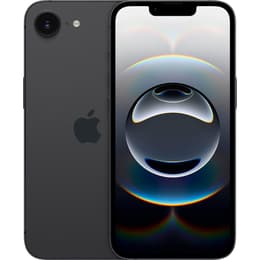


Galaxy Z Fold5 Vs iPhone 16e

Galaxy Z Fold5
Galaxy Z Fold5
Starting at

Refurbished price:568.00

Versus €1,899.00 new

See options
iPhone 16e
iPhone 16e
Starting at

Refurbished price:387.00

Versus €719.00 new

See options

Ratings

The Samsung Galaxy Z Fold5, released in 2023, and the hypothetical iPhone 16E, anticipated for 2026, represent distinct approaches to smartphone design and functionality. The Galaxy Z Fold5 offers a unique foldable form factor, transforming from a compact phone into a larger tablet-like display, running on the Android operating system. In contrast, the iPhone 16E is expected to be a traditional slab-style smartphone, operating on Apple's iOS, focusing on a streamlined user experience within a familiar design.

Scores

Durability

When considering the long-term usability of these devices, their release timelines and software support play a significant role.

  • Software Longevity: The Galaxy Z Fold5, having been released in 2023, typically receives several years of major Android OS updates and security patches, ensuring its functionality and security for a considerable period. The iPhone 16E, as a newer device from 2026, is expected to benefit from Apple's extended software support, often providing major iOS updates for six to seven years from its release, potentially offering a longer period of access to the latest features and security enhancements.
  • Physical Durability: The Galaxy Z Fold5 features an Armor Aluminum frame and Gorilla Glass Victus 2 on its cover screen and back, along with IPX8 water resistance, meaning it can withstand submersion in water. Its foldable display, while innovative, requires careful handling compared to a traditional rigid screen. The iPhone 16E is anticipated to feature Apple's Ceramic Shield front cover and an aluminum frame, coupled with IP68 dust and water resistance, offering robust protection against everyday bumps and spills.
  • Repairability: Both devices are complex pieces of technology. While specific repairability scores can vary, the foldable nature of the Galaxy Z Fold5 introduces additional components and complexities that can sometimes make certain repairs more intricate than those for a standard smartphone like the anticipated iPhone 16E.

Year of Release

2023

2025

OS

Android

iOS

Foldable

Yes

No

Performance

The performance of a smartphone dictates its responsiveness and capability to handle various tasks, from everyday browsing to demanding applications.

  • Processing Power: The Galaxy Z Fold5 is equipped with a powerful processor designed for high-end Android devices, enabling smooth multitasking, efficient app switching, and capable handling of graphics-intensive games. The iPhone 16E, expected to house a current-generation Apple A-series chip, will likely deliver exceptional single-core and multi-core performance, optimized for the iOS ecosystem, ensuring fluid operation across all applications.
  • Multitasking and Responsiveness: With its generous amount of RAM, the Galaxy Z Fold5 excels at keeping multiple applications open and running in the background without slowdowns, which is particularly beneficial for its large, foldable display. The iPhone 16E, while potentially having less RAM, is optimized by iOS to manage resources efficiently, providing a consistently responsive experience for typical user workflows and demanding applications.
  • Storage Options: Both devices offer a range of internal storage capacities to suit different user needs, from standard options for general use to larger capacities for extensive media libraries and numerous applications. The Galaxy Z Fold5 typically starts with a substantial base storage, while the iPhone 16E is expected to offer various tiers, allowing users to select based on their anticipated storage requirements.

Memory (GB)

12 GB

8 GB

Screen quality

The display is a primary interface for any smartphone, and these two devices offer distinct visual experiences.

  • Display Technology and Size: The Galaxy Z Fold5 features two Dynamic AMOLED 2X displays: a 6.2-inch cover screen and a large 7.6-inch main foldable screen. Both offer vibrant colors, deep blacks, and excellent contrast. The iPhone 16E is expected to feature a single Super Retina XDR OLED display, likely around 6.1 or 6.2 inches, known for its color accuracy and high pixel density.
  • Clarity and Brightness: Both devices provide sharp resolutions, ensuring text and images appear clear and detailed. The Galaxy Z Fold5's displays can reach high peak brightness levels, making them visible even in bright outdoor conditions. The iPhone 16E's OLED display is also anticipated to offer strong brightness and excellent clarity, providing a comfortable viewing experience in various lighting environments.
  • Refresh Rate: The Galaxy Z Fold5's displays feature an adaptive refresh rate of up to 120Hz, contributing to smoother scrolling and more fluid animations. The iPhone 16E, depending on its specific configuration, may feature a standard 60Hz refresh rate or potentially a higher refresh rate for a smoother visual experience, which would enhance the perception of fluidity during interactions.

Resolution

1812 x 2176

2532x1170

Audiovisual

For many users, the camera system is a crucial aspect of a smartphone, and both devices offer capable photographic tools.

  • Rear Camera System: The Galaxy Z Fold5 features a versatile triple-camera setup, including a high-resolution main sensor, an ultrawide lens, and a telephoto lens with optical zoom capabilities, allowing for a range of photographic perspectives. The iPhone 16E is expected to come with a dual-camera system, typically comprising a main wide-angle lens and an ultrawide lens, leveraging advanced computational photography for consistent image quality.
  • Photography Performance: The Galaxy Z Fold5 delivers detailed images with good dynamic range in various conditions, and its telephoto lens provides flexibility for zoomed shots. The iPhone 16E is anticipated to excel in capturing natural-looking photos with accurate colors and strong performance in challenging lighting, benefiting from Apple's image processing.
  • Video Recording and Audio: Both devices are capable of recording high-quality video, with features like optical image stabilization to reduce shakiness. The Galaxy Z Fold5 offers robust video capabilities across its multiple lenses. The iPhone 16E is expected to provide excellent video capture with smooth stabilization and clear audio recording, suitable for various content creation needs. Both devices offer clear speaker output for media consumption and calls.

Front camera

4 megapixels

TrueDepth 12MP

Miscellaneous

Beyond core features, several practical elements contribute to the overall user experience of these smartphones.

  • Connectivity: Both the Galaxy Z Fold5 and the anticipated iPhone 16E support 5G cellular networks for fast mobile data. They also include modern Wi-Fi standards (such as Wi-Fi 6E or potentially Wi-Fi 7 for the iPhone 16E) and Bluetooth for wireless accessories, ensuring robust connectivity options.
  • Ports and Biometrics: The Galaxy Z Fold5 uses a USB-C port for charging and data transfer and features a side-mounted fingerprint sensor for secure unlocking. The iPhone 16E is expected to feature a USB-C port, aligning with current industry trends, and will likely continue to use Face ID for secure facial recognition and authentication.
  • Form Factor and Handling: The Galaxy Z Fold5's unique foldable design means it is thicker and heavier when folded compared to a traditional smartphone, but it offers the advantage of a much larger screen when unfolded. The iPhone 16E is expected to maintain a more conventional slab form factor, making it lighter and potentially easier to handle with one hand for many users.

Weight

253 g

167 g

Screen size (in)

7.6

6.1

Network

5G

5G

SIM card

Physical SIM + eSIM

eSIM

Carrier compatibility

Unlocked

Unlocked

Connector

USB-C

USB-C

The Galaxy Z Fold5 and the anticipated iPhone 16E cater to different user preferences and needs. Users who prioritize a versatile, large-screen experience for productivity, media consumption, and multitasking will find the Galaxy Z Fold5's foldable design particularly appealing. Its ability to transform from a compact phone to a tablet-like display offers a unique advantage for those who frequently switch between different viewing modes. Common praise for the Z Fold5 often highlights its innovative form factor and powerful performance for demanding tasks.

Conversely, users who prefer a more traditional, streamlined smartphone experience with a strong emphasis on consistent performance, a robust camera system, and long-term software support may lean towards the iPhone 16E. Its expected integration within the Apple ecosystem and focus on user-friendly design are often cited as key strengths. Users frequently commend iPhones for their intuitive operating system and reliable performance over several years.

Ultimately, the choice between these two devices hinges on whether a user values the innovative, expansive display of a foldable device or the refined, consistent experience of a traditional smartphone. Both offer advanced technology, and considering a quality-assured refurbished option for either model can be an eco-friendly alternative for making an informed choice.


See all articles

Our recent comparisons





