

Google Pixel 9 Pro XL Vs iPhone 16e

Google Pixel 9 Pro XL
Starting at

Refurbished price:424.00

Versus €1,298.07 new

See options
iPhone 16e
iPhone 16e
Starting at

Refurbished price:387.00

Versus €719.00 new

See options

Ratings

The Google Pixel 9 Pro XL, released in August 2024, and the iPhone 16E, launched in February 2025, represent distinct approaches to the smartphone experience from their respective manufacturers. While the Pixel 9 Pro XL offers a large display and a comprehensive camera system running on Android, the iPhone 16E provides a more compact form factor with Apple's iOS ecosystem. These devices cater to different user preferences, with key differentiators in screen size, camera capabilities, and software philosophies.

Scores

Durability

When considering the long-term usability of these devices, their release timelines and software support are important factors.

  • Release and Support: The Google Pixel 9 Pro XL was released in August 2024 and is projected to receive operating system updates for seven years, extending its software longevity until Android 22. The iPhone 16E, launched in February 2025, was discontinued in March 2026, but is expected to receive iOS updates until 2032, offering a comparable period of software support from its initial release.
  • Physical Durability: Both devices feature robust build quality designed for everyday use. The Pixel 9 Pro XL incorporates Gorilla Glass Victus 2 for screen protection, while the iPhone 16E utilizes Apple's Ceramic Shield front cover, both contributing to enhanced drop and scratch resistance. Both also carry an IP68 rating for dust and water resistance, indicating protection against immersion.
  • Practical Lifespan: Users can expect both smartphones to maintain practical functionality for several years, supported by their respective update policies and durable designs. The Pixel's longer direct support window from its release date offers extended access to the latest Android features and security patches.

Year of Release

2024

2025

OS

Android

iOS

Foldable

No

No

Performance

The performance of a smartphone is central to its daily user experience, influencing everything from app responsiveness to multitasking efficiency.

  • Processing Power: The Google Pixel 9 Pro XL is equipped with a current-generation Tensor processor, designed to handle demanding applications and complex AI tasks smoothly. The iPhone 16E features Apple's A18 chip, which provides efficient performance for iOS applications and supports Apple Intelligence features.
  • Multitasking and Storage: The Pixel 9 Pro XL comes with 16GB of RAM, facilitating seamless multitasking and efficient handling of numerous open applications. It offers storage options up to 1TB. The iPhone 16E includes 8GB of RAM and is available with up to 512GB of internal storage, providing ample space and smooth operation for typical smartphone usage.
  • Battery Behavior: The Pixel 9 Pro XL houses a 5060mAh battery, delivering extended usage times, with reports indicating nearly 19 hours of continuous video playback. The iPhone 16E, with an estimated 4005mAh battery, is noted for having the longest battery life among 6.1-inch iPhones, offering up to 26 hours of video playback. Both devices are designed to provide a full day of use for most users.

Memory (GB)

16 GB

8 GB

Screen quality

The display is a primary interface for smartphone interaction, and both devices offer high-quality viewing experiences with distinct characteristics.

  • Display Technology and Size: The Google Pixel 9 Pro XL features a large 6.8-inch LTPO OLED display, providing vibrant colors and deep blacks across its expansive screen. The iPhone 16E has a more compact 6.1-inch Super Retina XDR OLED display, also known for its rich color reproduction and high contrast.
  • Resolution and Brightness: The Pixel 9 Pro XL offers a QHD+ resolution (1344 x 2992 pixels) and can reach a peak brightness of 3000 nits, ensuring clarity and visibility even in bright outdoor conditions. The iPhone 16E provides a resolution of 2532 x 1170 pixels (460 ppi) with a typical brightness of 800 nits and a peak HDR brightness of 1200 nits, offering clear visuals and good HDR content consumption.
  • Refresh Rate and Design: The Pixel 9 Pro XL boasts an adaptive refresh rate ranging from 1Hz to 120Hz, contributing to smoother scrolling and more fluid animations. The iPhone 16E maintains a standard 60Hz refresh rate and features a traditional notch design for its front camera and sensors, distinguishing it from devices with Dynamic Island.

Resolution

1344 x 2992

2532x1170

Audiovisual

Camera capabilities are a significant consideration for many users, and these devices offer different photographic strengths.

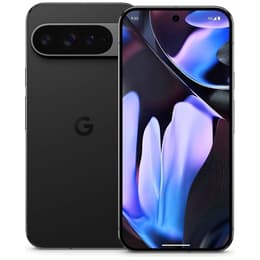
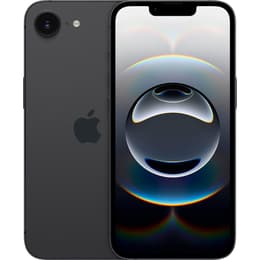
  • Rear Camera System: The Google Pixel 9 Pro XL is equipped with a versatile triple-camera system on the rear, including a 50MP primary sensor, a 48MP ultrawide lens, and a 48MP telephoto lens with 5x optical zoom. This configuration allows for a wide range of photographic scenarios, from expansive landscapes to detailed distant subjects. The iPhone 16E features a single 48MP Fusion camera on its rear, capable of 2x in-sensor zoom.
  • Photography Features: The Pixel 9 Pro XL leverages its advanced hardware and computational photography to deliver high-quality images across various lighting conditions, including enhanced AI features for photo editing and generation. The iPhone 16E supports Night mode and Portrait mode for human faces, but it omits features like ultrawide and telephoto lenses, Cinematic Mode, Action Mode, ProRAW, and the latest Photographic Styles found in other iPhone models. Its smaller sensor compared to the standard iPhone 16 can result in less detail in lower light.
  • Front Camera and Video: For selfies and video calls, the Pixel 9 Pro XL includes a 42MP front-facing camera. The iPhone 16E features a 12MP front camera. Both devices offer quality video recording capabilities, with the iPhone 16E supporting 4K video recording with spatial audio.

Front camera

42 megapixels

TrueDepth 12MP

Miscellaneous

Beyond core features, several practical elements contribute to the overall user experience and daily convenience.

  • Connectivity and Ports: Both smartphones support 5G connectivity for fast mobile data. The Pixel 9 Pro XL includes Wi-Fi 7 and Bluetooth 5.3, along with USB-C for charging and data transfer, and offers satellite connectivity. The iPhone 16E supports Wi-Fi 6, Bluetooth 5.3, and also features a USB-C port, though it operates at USB 2.0 speeds. It also includes Emergency SOS via satellite.
  • Biometric Security and Navigation: The Pixel 9 Pro XL offers both an ultrasonic under-display fingerprint scanner and secure face unlock. The iPhone 16E relies on Face ID for secure authentication and has replaced the traditional mute switch with an Action Button, providing customizable quick access to various functions.
  • Design and Handling: The Pixel 9 Pro XL, with its 6.8-inch display, is a larger device, weighing 221 grams, which may appeal to users who prefer a more expansive viewing area. The iPhone 16E is more compact at 6.1 inches and weighs 167 grams, offering a more manageable size for one-handed use. The Pixel features flat sides and a redesigned camera bar, while the iPhone 16E has a design similar to the iPhone 14.

Weight

221 g

167 g

Screen size (in)

6.8

6.1

Network

5G

5G

SIM card

Physical SIM + eSIM

eSIM

Carrier compatibility

Unlocked

Unlocked

Connector

USB-C

USB-C

The Google Pixel 9 Pro XL and the iPhone 16E cater to different user priorities, each excelling in specific areas. Users often praise the Pixel 9 Pro XL for its extensive software support, powerful processor, and versatile triple-camera system, which provides a comprehensive photographic experience. Its large, high-refresh-rate display and exceptional battery life are also frequently highlighted as strong advantages. Some users, however, might find its larger size less convenient for single-handed use.

The iPhone 16E, while a more recent release, was a short-lived model. It received positive feedback for its compact design, the inclusion of the powerful A18 chip, and its impressive battery life for a 6.1-inch device. The transition to an OLED display and the addition of features like Face ID and the Action Button were also well-received. Criticisms often centered on its single rear camera system, which lacks some advanced features found in other iPhone models, and its 60Hz display refresh rate. The absence of MagSafe was also a point of note for some users.

Users prioritizing a large, high-refresh-rate display, a comprehensive multi-lens camera system, and a longer software update commitment may find the Google Pixel 9 Pro XL well-suited to their needs. Conversely, individuals who prefer a more compact device within the Apple ecosystem, with strong core performance and excellent battery life, might lean towards the iPhone 16E, understanding its camera system has fewer advanced features. Both devices offer a quality-assured refurbished option, providing an eco-friendly alternative for consumers seeking reliable technology.


See all articles

Our recent comparisons




