
Samsung

Compare models
Differences at a glance
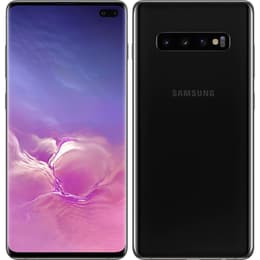
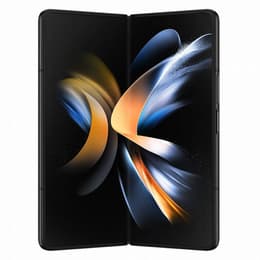
The Samsung Galaxy S10, released in March 2019, is a traditional smartphone that represented a flagship offering in its era. In contrast, the Samsung Galaxy Z Fold4, launched in August 2022, is a modern foldable smartphone, showcasing a significant evolution in mobile device design. The primary distinctions between these two devices lie in their form factor, display technology, and the resulting user experience, with the Z Fold4 offering a versatile, expansive screen and the S10 providing a classic, compact design. Both devices operate on the Android platform, but their software support timelines differ considerably.
Colour
Storage
The expected lifespan of a smartphone is heavily influenced by its release date and the manufacturer's software support policy. These two devices, separated by several years, offer different outlooks on longevity.
Year of Release
Compatible with latest Update
OS
Foldable
Performance is a key differentiator, with the newer foldable device benefiting from advancements in processing power and memory management.
The display experience is where these two smartphones diverge most significantly, offering distinct approaches to visual interaction.
Resolution
Screen type
Both devices offer capable camera systems, but the newer Galaxy Z Fold4 benefits from advancements in sensor technology and computational photography.
Main camera
Front camera
Beyond core features, several practical elements contribute to the overall user experience and differentiate these two devices.
Weight
Screen size (in)
Network
SIM card
Carrier compatibility
The Samsung Galaxy S10 and Galaxy Z Fold4 cater to distinct user preferences, reflecting the evolution of smartphone technology over several years. The Galaxy S10 is often praised for its still-vibrant display, capable camera system for everyday use, and the convenience of a 3.5mm headphone jack. Users appreciate its traditional, more compact form factor. However, common criticisms include its aging software support, meaning it no longer receives major Android updates, and for some, its battery life may not meet the demands of heavy modern usage.
The Galaxy Z Fold4, on the other hand, garners acclaim for its innovative foldable design, providing an expansive inner display ideal for multitasking, media consumption, and productivity. Its powerful performance and extended software update commitment are also significant advantages. Criticisms often revolve around its increased bulk and weight compared to traditional smartphones, the visible crease on the inner display, and concerns about the long-term durability of the folding mechanism or inner screen protector, as reported by some users.
Users prioritizing a classic smartphone experience with a compact design, a headphone jack, and who are content with an older software version may find the Galaxy S10 suitable. It remains a functional device for core smartphone tasks. Conversely, users who value cutting-edge technology, require a large, versatile screen for enhanced productivity and immersive media, and desire a device with several years of guaranteed software updates will likely lean towards the Galaxy Z Fold4. For those considering either device, exploring quality-assured refurbished options can provide an eco-friendly alternative to extend the life cycle of these technologies.