Apple Watch

Compare models
Differences at a glance
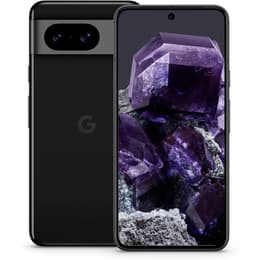
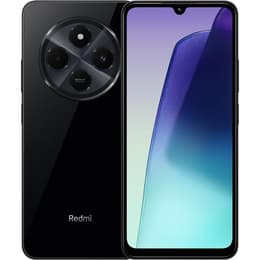
The Google Pixel 8, released in October 2023, and the Xiaomi Redmi 14C, launched in August 2024, represent distinct approaches to smartphone design and functionality. While the Pixel 8 focuses on a premium Android experience with advanced computational photography and long-term software support, the Redmi 14C aims to deliver a feature-rich experience with a large display and robust battery capacity. Both devices operate on the Android platform, with the Pixel 8 running a clean version of Android 14 and the Redmi 14C featuring Xiaomi's HyperOS, also based on Android 14.
Colour
Storage
When considering the practical lifespan of these devices, their release timelines and software support policies are key differentiators.
Year of Release
Compatible with latest Update
OS
Foldable
The performance of a smartphone is crucial for daily tasks, app usage, and multitasking, and these two devices offer different capabilities in this regard.
The visual experience is largely defined by the display, and these phones present different display technologies and characteristics.
Resolution
Screen type
For many users, the camera system is a primary consideration, and both devices offer distinct photographic capabilities.
Main camera
Front camera
Beyond the core features, several practical elements contribute to the overall user experience of these smartphones.
Weight
Screen size (in)
Network
SIM card
Carrier compatibility
The Google Pixel 8 and Xiaomi Redmi 14C cater to different user priorities, each offering a distinct set of strengths.
Users frequently praise the Pixel 8 for its impressive camera system, particularly its low-light capabilities and the clean, bloat-free Android experience with timely updates. Its compact design is also a recurring positive point. However, some users have noted that battery life can be a concern with heavy usage, especially when utilizing 5G, and the display's scratch resistance has been mentioned as a downside.
For the Redmi 14C, common praise points include its large and smooth 120Hz display, dependable battery life for many users, and a design that often feels more premium than expected. Its camera performs well in good lighting conditions. Criticisms sometimes revolve around its performance for demanding tasks, the secondary camera lens being largely decorative, and the HD+ display resolution leading to a less sharp image.
Users prioritizing a compact device with a top-tier camera, a pure Android experience, and an industry-leading software update policy will find the Google Pixel 8 well-suited to their needs. Conversely, users who value a larger screen for media consumption, a robust battery for general use, and expandable storage may lean toward the Xiaomi Redmi 14C. Both devices offer a pathway to smartphone ownership, and for those seeking an eco-friendly alternative, quality-assured refurbished options are available, providing a sustainable choice for either model.