

Compare models

Galaxy S21 FE 5G Vs Xiaomi Redmi Note 13 4G

  • 1-year minimum warranty
  • Free delivery on all orders
  • Free 30-day returns
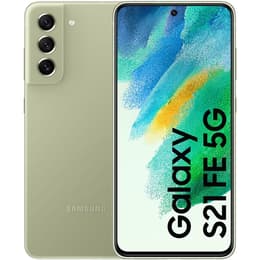
Galaxy S21 FE 5G
Starting at

Refurbished price:177.00

Versus €540.00 new

See options
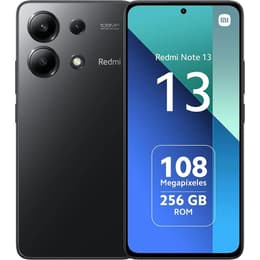
Xiaomi Redmi Note 13 4G
Starting at

Refurbished price:207.00

Versus €340.00 new

See options

Differences at a glance

The Samsung Galaxy S21 FE 5G (2022) and the Xiaomi Redmi Note 13 4G (2024) are popular smartphones catering to everyday mobile users seeking reliable performance and modern features. While both run on the Android operating system, they approach daily computing and hardware design from distinct angles. The Galaxy S21 FE 5G positions itself as a streamlined near-flagship device, whereas the Xiaomi Redmi Note 13 4G focuses on delivering contemporary core features within a modern release timeline.

Available Models

Colour

Storage (GB)

Scores

Durability

Evaluating the lifespan and durability of these devices involves examining their release timeline, software support windows, and physical build quality.

  • Release Timeline and Updates: The Xiaomi Redmi Note 13 4G arrived in early 2024, giving it a more recent release date compared to the Samsung Galaxy S21 FE 5G from 2022. However, Samsung's device benefits from a longer initial software support framework typical of its class.
  • Build and Materials: The Galaxy S21 FE 5G features aluminum framing and an IP68 water and dust resistance rating, while the Redmi Note 13 4G relies on plastic construction with an IP54 splash resistance rating.
  • Expected Lifespan: Both models provide dependable daily operation, though the Samsung device offers higher-grade exterior materials that withstand intensive daily handling effectively.

Year of Release

2022

2024

Compatible with latest Update

Yes

Yes

OS

Android

Android

Foldable

No

No

Performance

Daily responsiveness and multitasking capabilities vary significantly based on internal hardware configurations and battery management strategies.

  • Storage and Memory: Both smartphones offer configurations starting at 128GB of internal storage paired with adaptable RAM capacities, though storage expansion via memory cards is only supported on the Xiaomi device.
  • Processing and Multitasking: The Galaxy S21 FE 5G handles demanding applications, heavy graphics rendering, and rapid app switching with ease. The Redmi Note 13 4G manages routine tasks like web browsing, messaging, and media streaming smoothly, though it is less suited for intensive mobile gaming.
  • Battery Behavior: The Redmi Note 13 4G features a larger 5000 mAh capacity battery focused on extended general endurance, while the Galaxy S21 FE 5G utilizes a smaller 4500 mAh cell that prioritizes high-speed processing performance alongside standard daily use.

Screen quality

Display characteristics shape the visual experience for media consumption, gaming, and outdoor viewing.

  • Display Technology: Both devices employ vibrant OLED display panels that deliver deep black levels and vivid color reproduction.
  • Refresh Rate and Smoothness: Each model supports a 120Hz refresh rate, ensuring fluid scrolling through menus, web pages, and supported applications.
  • Size and Viewing: The Redmi Note 13 4G features a slightly larger 6.67-inch screen, whereas the Galaxy S21 FE 5G comes with a more compact 6.4-inch display that improves one-handed reachability.

Resolution

1080 x 2340

1080 x 2400

Screen type

Dynamic AMOLED 2X

AMOLED

Audiovisual

Optics and audio-visual output dictate how well each phone captures memories and handles media playback.

  • Camera Systems: The Redmi Note 13 4G relies on a high-megapixel main sensor alongside an ultra-wide lens for everyday landscape photography. The Galaxy S21 FE 5G incorporates a dedicated telephoto lens with optical zoom alongside its main and ultra-wide cameras, providing greater framing versatility.
  • Video and Low Light: The Samsung device supports high-resolution 4K video recording across all lenses and handles dim lighting conditions cleanly. The Xiaomi model performs reliably in well-lit environments but requires steady hands for evening shots.
  • Media Audio: Both units feature stereo speaker configurations suitable for casual video viewing and hands-free calls.

Main camera

12 megapixels

108 megapixels

Front camera

32 megapixels

16 megapixels

Miscellaneous

Practical daily usability elements define how easily these phones integrate into varied routines and connectivity networks.

  • Connectivity: The Galaxy S21 FE 5G includes 5G cellular connectivity and Wi-Fi 6 support, whereas the Redmi Note 13 4G is limited to 4G networks.
  • Port Type and Biometrics: Both models utilize reversible USB Type-C ports for charging and data transfer, and integrate responsive under-display optical fingerprint sensors for security.
  • Physical Handling: The Galaxy S21 FE 5G weighs 177 grams, while the Redmi Note 13 4G weighs roughly 188 grams, resulting in a comparable hand-feel during prolonged usage.

Weight

177 g

175 g

Screen size (in)

6.4

6.67

Network

5G

4G

SIM card

Physical SIM

Dual Physical SIM

Carrier compatibility

Unlocked

Unlocked

Connector

USB-C

USB-C

What the community thinks

User discussions across community forums highlight distinct preferences for each device based on everyday requirements. Owners of the Galaxy S21 FE 5G frequently praise its robust gaming capabilities, premium build materials, and versatile camera setup including optical zoom. Conversely, users of the Xiaomi Redmi Note 13 4G appreciate its modern release window, larger screen estate, and reliable battery endurance for standard messaging and media streaming.

Users prioritizing high processing power, advanced camera zoom capabilities, and water resistance will find the Galaxy S21 FE 5G well-suited to their needs. Meanwhile, users prioritizing a larger display, expandable storage, and everyday reliability for basic tasks may lean toward the Redmi Note 13 4G. Choosing a quality-assured refurbished option provides an eco-friendly way to acquire either device while supporting sustainable consumption choices. Ultimately, selecting the right smartphone depends on which specific hardware features align most closely with your daily routine.