

Google Pixel 8 Vs iPhone 12

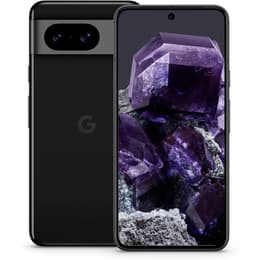
Google Pixel 8
Google Pixel 8
Starting at

Refurbished price:235.00

Versus €999.00 new

See options
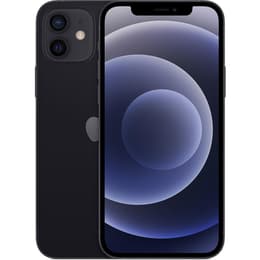
iPhone 12
iPhone 12
Starting at

Refurbished price:174.00

Versus €829.00 new

See options

Ratings

The Google Pixel 8 (released October 2023) and the iPhone 12 (released October 2020) represent different generations and operating systems within the smartphone market. While both offer a premium smartphone experience, the Pixel 8, being a newer device, incorporates more recent advancements in camera technology, processing power, and software longevity. The iPhone 12, running on iOS, and the Pixel 8, on Android, offer distinct user interfaces and ecosystem experiences.

Scores

Durability

When considering the practical lifespan of these devices, several factors come into play, including their release timelines, software support, and overall build quality.

  • Release Timeline: The iPhone 12 was released in October 2020, making it a device from an earlier generation. The Google Pixel 8, launched in October 2023, benefits from being a much newer model, offering a more contemporary hardware foundation.
  • Software Longevity: Google has committed to providing seven years of OS, security, and Feature Drop updates for the Pixel 8, extending its support until at least October 2030. The iPhone 12, typically receiving 5-7 years of major iOS updates, is expected to receive software support until around 2027, with security updates potentially extending beyond that.
  • Durability Features: Both devices feature robust build materials. The iPhone 12 introduced Ceramic Shield on the front for enhanced drop performance and has an IP68 rating for water and dust resistance. The Pixel 8 also features an IP68 rating and uses Gorilla Glass Victus for its display, contributing to its overall resilience.

Year of Release

2023

2020

Compatible with latest Update

Yes

Yes

OS

Android

iOS

Foldable

No

No

Performance

The performance of a smartphone is crucial for daily tasks, from browsing to demanding applications. These two devices offer different levels of responsiveness and capability.

  • Processing Power: The Pixel 8 features a more recent processor, which translates to smoother handling of demanding applications, faster app loading times, and more efficient multitasking. Users engaging in intensive tasks like advanced photo editing or graphically rich gaming will likely notice the difference. The iPhone 12, while still capable for everyday use, relies on an older generation processor.
  • Multitasking and Responsiveness: The Pixel 8 generally offers a more fluid and responsive user experience, especially when switching between multiple applications or running complex processes. This is partly due to its more advanced internal components and typically higher RAM.
  • Battery Behavior: The Pixel 8 is equipped with a larger battery capacity (4575 mAh) compared to the iPhone 12 (2815 mAh), which can translate to longer usage times between charges for many users. However, user experiences with the Pixel 8's power efficiency have been mixed, with some reporting it to be adequate rather than exceptional. The iPhone 12's battery life was considered good at its release, though some users noted it was less than its predecessor.

Memory (GB)

8 GB

4 GB

Screen quality

The display is a primary interface for any smartphone, and both models offer distinct visual experiences.

  • Display Technology and Clarity: Both the Pixel 8 and iPhone 12 feature OLED displays, which provide deep blacks and vibrant colors. The Pixel 8 has a 6.2-inch Actua OLED display with a resolution of 1080 x 2400 pixels, while the iPhone 12 has a 6.1-inch Super Retina XDR OLED display with a resolution of 1170 x 2532 pixels.
  • Brightness and Outdoor Visibility: The Pixel 8 offers higher peak brightness levels, reaching up to 2000 nits, which can significantly improve visibility in bright outdoor conditions. The iPhone 12 has a peak brightness of 1200 nits for HDR content.
  • Refresh Rate: A key difference is the refresh rate. The Pixel 8 features a 120Hz refresh rate, contributing to smoother scrolling and more fluid animations. The iPhone 12 has a standard 60Hz refresh rate.

Resolution

1080 x 2400

1170 x 2532

Screen type

OLED

Super Retina XDR OLED

Audiovisual

Both smartphones offer capable camera systems, but the Pixel 8, being a newer device, benefits from more advanced hardware and computational photography features.

  • Rear Camera System: The Pixel 8 features a 50 MP main camera and a 12 MP ultrawide camera. The iPhone 12 has a dual 12 MP camera system, with a wide and an ultrawide lens. The Pixel 8's larger main sensor generally captures more detail and performs well in various lighting conditions.
  • Photography Features: The Pixel 8 includes advanced software features like Magic Eraser, Best Take, and Photo Unblur, which leverage artificial intelligence for enhanced image editing and quality. The iPhone 12 offers features like Night mode, Deep Fusion, and Smart HDR 3. Users often praise the Pixel's rear camera for its image quality.
  • Video Recording: Both devices are capable of recording 4K video. The Pixel 8 supports 4K video recording at up to 60 frames per second across all lenses, with improved stabilization. The iPhone 12 also records 4K video at various frame rates and supports Dolby Vision HDR video.
  • Front Camera: The Pixel 8 has a 10.5 MP front camera, while the iPhone 12 features a 12 MP front camera. Some users have noted that the Pixel 8's selfie camera quality could be improved.

Main camera

50 megapixels

12 megapixels

Front camera

10.5 megapixels

12 megapixels

Miscellaneous

Beyond core performance and display, several other features contribute to the overall user experience and practical utility of these smartphones.

  • Connectivity: The Pixel 8 supports Wi-Fi 7 and Bluetooth 5.3, offering more advanced and potentially faster wireless connectivity options compared to the iPhone 12's Wi-Fi 6 and Bluetooth 5.0. Both devices support 5G cellular networks.
  • Ports and Biometrics: The Pixel 8 uses a USB-C 3.2 port for charging and data transfer, and includes both an under-display fingerprint sensor and face unlock for security. The iPhone 12 utilizes Apple's proprietary Lightning port and relies solely on Face ID for biometric authentication.
  • Design and Handling: The Pixel 8 has dimensions of 150.5 x 70.8 x 8.9 mm and weighs 187g. The iPhone 12 is slightly more compact and lighter at 146.7 x 71.5 x 7.4 mm and 164g, which can impact one-handed use and pocketability.

Weight

187 g

164 g

Screen size (in)

6,2

6.1

Network

5G

5G

SIM card

Physical SIM + eSIM

Physical SIM + eSIM

Carrier compatibility

Unlocked

Unlocked

Connector

USB-C

Lightning

The Google Pixel 8 and iPhone 12 cater to different user preferences and priorities, largely due to their generational gap and operating system differences. Users often praise the Pixel 8 for its advanced camera capabilities, particularly its computational photography features, and its commitment to long-term software support. However, some users have noted mixed experiences with its power efficiency and gaming performance. The iPhone 12 is generally lauded for its consistent performance, robust build quality, and the seamless integration within the Apple ecosystem. Criticisms often revolve around its 60Hz display and, for some, its battery life compared to newer models.

Users prioritizing the latest camera innovations, extended software support, and a high refresh rate display may find the Google Pixel 8 a more suitable choice. Its Android operating system also offers a different level of customization and integration with Google services. Conversely, individuals who value the established iOS ecosystem, a slightly more compact and lighter design, and consistent performance for everyday tasks might lean towards the iPhone 12. Both devices are available as quality-assured refurbished options, providing an eco-friendly alternative for consumers.

See all articles

Our recent comparisons







