

Google Pixel 8 Vs iPhone 16 Pro

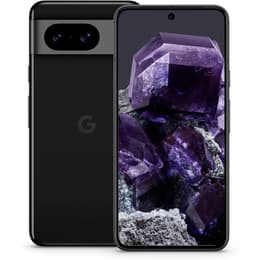
Google Pixel 8
Google Pixel 8
Starting at

Refurbished price:235.00

Versus €999.00 new

See options
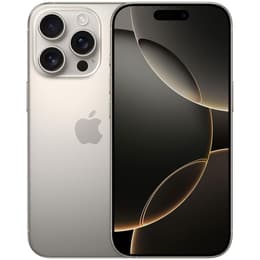
iPhone 16 Pro
iPhone 16 Pro
Starting at

Refurbished price:646.00

Versus €1,239.00 new

See options

Ratings

The Google Pixel 8, released in October 2023, and the iPhone 16 Pro, launched in September 2024, represent distinct approaches to the premium smartphone experience. While the Pixel 8 emphasizes advanced computational photography and a long software support commitment, the iPhone 16 Pro focuses on raw performance, refined camera hardware, and a robust ecosystem. Both devices operate on their respective flagship operating systems, Android and iOS, offering users different interfaces and app experiences.

Scores

Durability

When considering the long-term usability of these devices, several factors contribute to their expected practical lifespan.

  • Software Support: The Google Pixel 8 stands out with an industry-leading commitment of seven years of operating system, security, and Feature Drop updates from its release date. This ensures the device remains current and secure for an extended period. The iPhone 16 Pro, while not having a publicly stated seven-year commitment, typically receives 5-6 years of major iOS updates, followed by security updates, providing a substantial lifespan within the Apple ecosystem.
  • Build Materials: The Pixel 8 features Gorilla Glass Victus for screen protection and an aluminum frame, offering a good level of everyday durability. The iPhone 16 Pro utilizes a titanium alloy frame, which provides a balance of strength and reduced weight, coupled with second-generation Ceramic Shield material on the display for enhanced resistance against drops and scratches.
  • Repairability: Both devices are designed with modern smartphone construction, which can present challenges for user-level repairs. However, both manufacturers offer official repair services and parts. The iPhone 16 Pro has shown improved repairability, including simpler battery replacements, which can contribute to its longevity.

Year of Release

2023

2024

Compatible with latest Update

Yes

Yes

Foldable

No

No

Performance

The performance of a smartphone is crucial for handling daily tasks, demanding applications, and multitasking. Both devices offer robust capabilities, though they achieve this through different hardware and software optimizations.

  • Processing Power: The Google Pixel 8 is powered by a current-generation processor designed by Google, which efficiently handles everyday applications, AI-driven features, and moderate gaming. Users generally report a snappy and responsive experience for typical usage. The iPhone 16 Pro features a more advanced processor, built on a refined manufacturing process, which delivers higher raw performance. This translates to smoother operation for graphically intensive games, complex video editing, and advanced AI tasks, with a focus on efficiency.
  • Multitasking and Storage: The Pixel 8 comes with 8GB of RAM, which is sufficient for running multiple applications simultaneously and switching between them without significant slowdowns. It offers storage options up to 256GB. The iPhone 16 Pro also includes 8GB of memory and offers storage configurations up to 1TB, providing ample space for apps, media, and large files. Its memory subsystem is also designed for increased bandwidth, further aiding multitasking and data handling.
  • Battery Behavior: The Pixel 8 is equipped with a 4,575mAh battery. User experiences indicate that its battery life is generally adequate for a full day of mixed use, though heavy users might require a midday charge. The iPhone 16 Pro features a larger battery capacity of 3,577 mAh (compared to its predecessor) and is expected to offer more sustained usage on a single charge, partly due to its efficient processor and potentially stacked battery technology.

Memory (GB)

8 GB

8 GB

Screen quality

The display is a primary interface for smartphone interaction, and both the Pixel 8 and iPhone 16 Pro offer high-quality viewing experiences with distinct characteristics.

  • Display Technology and Resolution: The Google Pixel 8 features a 6.2-inch OLED display with a Full HD+ resolution (2400 x 1080 pixels), resulting in sharp images and text. The iPhone 16 Pro boasts a slightly larger 6.3-inch Super Retina XDR OLED display with a resolution of 2622 x 1206 pixels, offering a comparable level of clarity and detail. Both OLED panels provide deep blacks and vibrant colors.
  • Brightness and Refresh Rate: The Pixel 8's display offers a variable refresh rate from 60Hz to 120Hz, providing smooth scrolling and responsiveness, and can reach a peak brightness of up to 2000 nits for good visibility outdoors. The iPhone 16 Pro also features a 120Hz ProMotion display, which dynamically adjusts its refresh rate for fluid visuals and power efficiency. It achieves a typical maximum brightness of 1000 nits, with peak HDR brightness of 1600 nits and up to 2000 nits peak brightness outdoors.
  • Design and Viewing Experience: The Pixel 8 has a flat display with Gorilla Glass Victus protection. The iPhone 16 Pro features thinner bezels, maximizing screen real estate within its form factor, and is protected by second-generation Ceramic Shield. Both devices offer an immersive viewing experience for media consumption and daily use.

Resolution

1080 x 2400

1206 x 2622

Screen type

OLED

LTPO Super Retina XDR OLED

Audiovisual

Both the Google Pixel 8 and iPhone 16 Pro are recognized for their advanced camera systems, each with unique strengths in photography and videography.

  • Rear Camera System: The Pixel 8 is equipped with a 50MP main camera and a 12MP ultrawide camera with autofocus, which also enables a macro mode. It is highly praised for its computational photography, delivering excellent detail, natural colors, and strong low-light performance. The iPhone 16 Pro features a triple-camera setup, including a 48MP wide (main) camera, an upgraded 48MP ultrawide camera optimized for low-light conditions, and a 12MP telephoto lens offering 5x optical zoom. The 5x optical zoom was previously exclusive to the larger Pro Max model.
  • Photography Features: The Pixel 8 excels in producing well-exposed images with good dynamic range, and its AI features enhance photo editing. While it offers strong automatic modes, the base Pixel 8 model lacks manual camera controls. The iPhone 16 Pro is expected to include a new anti-lens flare coating for improved image clarity and a dedicated camera button for quick capture. Both devices offer excellent selfie cameras, with the Pixel 8 featuring a 10.5MP front camera and the iPhone 16 Pro having a high-resolution front camera integrated into its Dynamic Island.
  • Video Capabilities: The Pixel 8 supports 4K video recording at up to 60 frames per second, with good stabilization. The iPhone 16 Pro is rumored to support 4K video recording at up to 120 frames per second, offering more options for slow-motion and high-fidelity video capture. Both devices provide strong microphone quality for calls and recording, and stereo speakers for media consumption.

Main camera

50 megapixels

48 megapixels

Front camera

10.5 megapixels

12 megapixels

Miscellaneous

Beyond core performance and display, several practical elements contribute to the overall user experience of these smartphones.

  • Connectivity and Ports: Both the Pixel 8 and iPhone 16 Pro support 5G cellular connectivity for fast mobile data. The Pixel 8 includes Wi-Fi 7 and Bluetooth 5.3, along with a USB-C 3.2 port. The iPhone 16 Pro also supports Wi-Fi 7 and Bluetooth 5.3, and features a USB-C port, which became standard on Pro models with the previous generation. The iPhone 16 Pro also incorporates a second-generation Ultra Wideband chip for enhanced spatial awareness and device location.
  • Biometric Security: The Pixel 8 offers both an in-display fingerprint scanner and Face Unlock for secure authentication. The iPhone 16 Pro relies on Face ID, Apple's facial recognition system, for secure unlocking and payments.
  • Physical Design and Handling: The Pixel 8 measures 150.5 x 70.8 x 8.9mm and weighs 187g, offering a comfortable size for one-handed use. The iPhone 16 Pro is slightly larger and heavier at 149.6 × 71.5 × 8.25 mm and 199g, but its titanium frame contributes to a premium feel. Both devices feature IP68 ratings for water and dust resistance, providing protection against environmental elements.

Weight

187 g

199 g

Screen size (in)

6,2

6.3

Network

5G

5G

SIM card

Physical SIM + eSIM

eSIM

Carrier compatibility

Unlocked

Unlocked

Connector

USB-C

USB-C (USB 3)

The Google Pixel 8 and iPhone 16 Pro cater to users with differing priorities, reflecting their respective ecosystems and design philosophies. User sentiment for the Pixel 8 often praises its exceptional camera performance, particularly its computational photography capabilities, and the clean Android experience with timely updates. Many users appreciate its compact design and the impressive seven-year software support commitment. However, some common criticisms include average battery life, especially with heavy mobile data usage, and the absence of advanced manual camera controls on the base model.

The iPhone 16 Pro, being a more recent release, is lauded for its powerful processor, which ensures smooth performance across all tasks, and its significantly upgraded camera system, including a 5x telephoto lens and a high-resolution ultrawide camera. Users also value the robust iOS ecosystem, strong build quality with a titanium frame and Ceramic Shield, and expected improvements in battery life. Some initial durability tests have raised concerns about the impact resistance of its ultra-thin bezels, though the overall display strength is improved.

Users prioritizing an extended software lifespan, a pure Android experience, and advanced computational photography in a slightly more compact form factor may find the Google Pixel 8 well-suited to their needs. Conversely, those who value cutting-edge raw performance, a highly refined camera hardware suite, the iOS ecosystem, and a slightly larger display will likely lean towards the iPhone 16 Pro. Both devices offer premium experiences, and choosing between them often comes down to personal preference for operating system and specific feature emphasis. For those looking for an eco-friendly and quality-assured option, considering a refurbished version of either device can be a sustainable choice.


See all articles

Our recent comparisons