
Compare models
Galaxy S25 Vs Xiaomi Redmi Note 14 Pro
- 1-year minimum warranty
- Free delivery on all orders
- Free 30-day returns
Differences at a glance
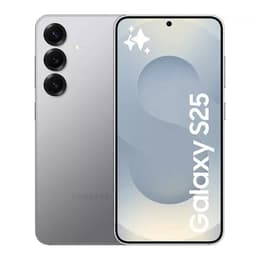
The Samsung Galaxy S25 (2025) and the Xiaomi Redmi Note 14 Pro (2025) are contemporary smartphones designed to cater to distinct segments of the mobile market. While both devices run on the Android operating system with custom manufacturer interfaces, they approach everyday usability through different engineering philosophies. The Galaxy S25 focuses on compact flagship performance, whereas the Xiaomi Redmi Note 14 Pro balances broad everyday features with a larger form factor.
Available Models
Colour
Storage
Scores
Durability
Both smartphones launched around early 2025, placing them on an equal footing regarding market recency and expected longevity.
- Software longevity: The Galaxy S25 benefits from an extended multi-year update policy covering major operating system upgrades, whereas the Xiaomi Redmi Note 14 Pro typically receives support for up to three major system upgrades.
- Build endurance: The Samsung model features robust aluminum framing and reinforced glass protection, while the Xiaomi alternative incorporates high-tier water and dust resistance ratings for environmental protection.
- Practical lifespan: Both devices are equipped to maintain reliable performance over several years, though differences in update commitments mean software support timelines vary.
Year of Release
2025
2025
OS
Android
iOS
Foldable
No
No
Performance
Underneath the surface, these devices handle daily multitasking, app loading, and media consumption using different hardware platforms paired with varying memory configurations.
- System responsiveness: Both handsets manage demanding mobile games and rapid app switching smoothly, though the flagship processing architecture in the Galaxy S25 offers extra headroom for heavy professional workloads.
- Battery behavior: The Xiaomi Redmi Note 14 Pro features a larger battery capacity that easily spans a full day of mixed use, while the more compact Galaxy S25 relies on power-efficient components to balance its smaller physical battery size.
- Storage capacity: Both models provide flexible storage tiers, supporting everything from standard media storage to expansive file libraries for heavy users.
Screen quality
Visual output is a primary focal point for both manufacturers, utilizing advanced panel technologies to deliver sharp and vibrant images.
- Display technology: Each device utilizes an AMOLED panel that provides deep black levels, high contrast ratios, and vivid color reproduction for video playback and web browsing.
- Outdoor visibility: High peak brightness capabilities on both screens ensure that text and media remain clearly legible even under direct sunlight.
- Refresh rate and size: The Xiaomi Redmi Note 14 Pro offers a slightly larger viewing area with a fluid 120Hz refresh rate, matching the smooth motion handling found on the Galaxy S25.
Resolution
1080x2340
1080 x 2400
Audiovisual
Imaging hardware and software processing dictate how each phone captures everyday moments, records video, and handles audio tasks.
- Camera systems: The Galaxy S25 employs a versatile multi-lens rear array focused on balanced dynamic range and low-light fidelity, while the Xiaomi Redmi Note 14 Pro utilizes a high-resolution primary sensor to capture fine detail in favorable lighting conditions.
- Video and audio: Both smartphones support stable high-definition video recording with reliable internal microphones for calls, paired with stereo speakers that provide clear media output for casual listening.
- Low-light photography: Advanced software image stacking helps both models reduce visual noise during evening or indoor snapshots.
Miscellaneous
Physical dimensions and connectivity standards determine how comfortably each smartphone fits into daily routines and travel gear.
- Handling and design: The Galaxy S25 is lighter and more compact, making it well-suited for single-handed operation, whereas the Xiaomi Redmi Note 14 Pro provides a broader chassis and a more substantial footprint in the hand.
- Connectivity: Both models support modern 5G networks, fast Wi-Fi standards, and Bluetooth pairing for wireless accessories.
- Authentication: Each device integrates biometric security features, combining secure facial recognition with responsive fingerprint sensors for quick unlocking.
Weight
162 g
180 g
Screen size (in)
6.2
6.67
Network
5G
4G
SIM card
Dual Physical SIM
Dual Physical SIM
Carrier compatibility
Unlocked
Unlocked
What the community thinks
User feedback from online communities highlights distinct preferences for each device. Owners of the Samsung Galaxy S25 frequently praise its compact handling, premium build quality, and long-term software support commitment. Conversely, users of the Xiaomi Redmi Note 14 Pro often emphasize satisfaction with its generous battery endurance, bright display, and overall utility. Choosing a quality-assured refurbished option through sustainable platforms like Back Market provides an eco-friendly alternative for consumers aiming to reduce electronic waste.
Users who prioritize a lightweight, pocket-friendly design with extended software backing will find the Galaxy S25 well-suited to their daily routines. Meanwhile, users who prefer a larger viewing space and extended battery longevity will lean toward the Xiaomi Redmi Note 14 Pro. Reviewing these practical differences helps ensure an informed decision that matches individual lifestyle needs.