

Compare models
Google Pixel 10a Vs iPhone 16e
- 1-year minimum warranty
- Free delivery on all orders
- Free 30-day returns
Differences at a glance
The Google Pixel 10a (2026) and the Apple iPhone 16e (2025) represent accessible entry points into their respective smartphone ecosystems. While both devices cater to users seeking modern performance without flagship complexity, they differ significantly in their operating systems, design approaches, and hardware philosophies. Choosing between them often comes down to personal preference for either Android or iOS.
Available Models
Colour
Storage (GB)
Scores
Durability
Both smartphones offer robust build qualities and long-term utility, though their software support timelines and hardware architectures differ.
- Software Support: The Google Pixel 10a provides extended multi-year operating system upgrades, while the iPhone 16e benefits from Apple's traditionally long software maintenance lifecycle.
- Repairability and Build: Both models utilize durable aluminum frames and glass or composite backs with high water-resistance ratings, ensuring dependable daily durability.
- Expected Lifespan: Favorable software longevity ensures that both devices will remain secure and functional for years of typical everyday use.
Year of Release
2026
2025
OS
Android
iOS
Foldable
No
No
Performance
Performance capabilities are well-balanced for daily multitasking, though each device handles resource management through distinct hardware and software integration.
- Storage Options: Both smartphones offer standard entry configurations suitable for most media storage needs, scaling upward for users with heavy document or photo libraries.
- System Responsiveness: Each device handles demanding applications, web browsing, and routine multitasking smoothly, backed by ample random access memory.
- Battery Behavior: Battery capacities support a full day of mixed usage under normal conditions, though power management varies depending on individual screen-on time and background tasks.
Screen quality
Display technologies on both models deliver clear visuals, vibrant color reproduction, and comfortable viewing experiences for media consumption.
- Display Technology: The Google Pixel 10a features a pOLED screen with an adaptive refresh rate reaching up to 120Hz, whereas the iPhone 16e utilizes a Super Retina XDR OLED display with a standard refresh rate.
- Outdoor Visibility: High peak brightness levels on both screens ensure legibility under direct sunlight or bright outdoor environments.
- Size and Resolution: Both devices offer a comparable screen footprint of approximately 6.1 to 6.3 inches, providing a balanced compromise between pocketability and immersive viewing.
Resolution
1080x2424
2532x1170
Audiovisual
Imaging systems on both smartphones are designed to capture crisp, detailed photos and stable videos with minimal user effort.
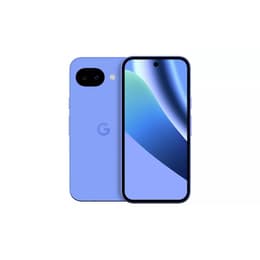
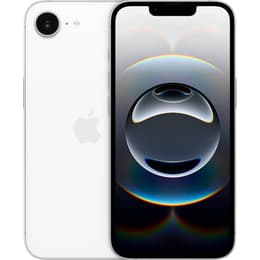
- Camera Hardware: The Google Pixel 10a features a dual-lens rear setup including a main and an ultra-wide sensor, while the iPhone 16e relies on a high-resolution single primary lens configuration.
- Low-Light and Video: Advanced computational photography on both platforms ensures clear low-light shots and reliable 4K video recording quality.
- Audio and Media Output: Stereo speaker setups on both models deliver clear voice calls and adequate volume levels for casual media playback.
Front camera
13MP
TrueDepth 12MP
Miscellaneous
Practical day-to-day features, connectivity standards, and physical dimensions shape how each device fits into a user's routine.
- Connectivity Standards: Both devices support modern 5G networks, fast Wi-Fi standards, and Bluetooth connectivity for seamless peripheral pairing.
- Biometrics and Ports: The Google Pixel 10a features an in-screen fingerprint sensor alongside face recognition, while the iPhone 16e utilizes Face ID, and both rely on universal USB-C ports for charging.
- Ergonomics: Weight distributions and slim profiles make both models comfortable for single-handed navigation and pocket storage.
Weight
183 g
167 g
Screen size (in)
6.3
6.1
Network
5G
5G
SIM card
Physical SIM + eSIM
eSIM
Carrier compatibility
Unlocked
Unlocked
Connector
USB-C
USB-C
What the community thinks
User feedback from online communities highlights distinct community preferences for each device. Owners of the Google Pixel 10a frequently praise its fluid display refresh rate, clean software interface, and versatile multi-lens camera capabilities. Conversely, users of the iPhone 16e often commend its dependable system optimization, integration with the broader Apple ecosystem, and straightforward daily reliability.
Users prioritizing a smooth high-refresh-rate screen and flexible camera options may prefer the Google Pixel 10a, while users embedded in the Apple ecosystem who value streamlined software consistency will lean toward the iPhone 16e. For those considering a sustainable purchase, a quality-assured refurbished option provides an eco-friendly alternative that reduces electronic waste while delivering the same core hardware performance. Ultimately, selecting the right device depends entirely on which operating environment and ergonomic style best fit your daily routine.