
Compare models
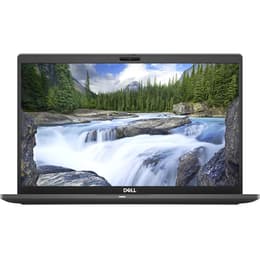
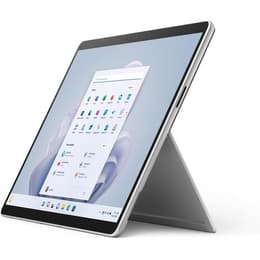
Dell Latitude 7410 14" Vs Microsoft Surface Pro 9 13"
- 1-year minimum warranty
- Free delivery on all orders
- Free 30-day returns
Differences at a glance
The Dell Latitude 7410 14" (2020) and the Microsoft Surface Pro 9 13" (2022) represent two distinct approaches to portable computing, catering to different workflow styles. While the Dell device offers a traditional clamshell laptop form factor designed for heavy office productivity and stability, the Microsoft device functions as a versatile hybrid tablet with a detachable keyboard. The primary differentiator lies in their physical design philosophy and form factor versatility, though both run on the Windows operating system and deliver robust everyday capabilities for professionals, students, and travelers alike.
Available Models
Storage
Processor
Memory
Scores
Durability
When examining longevity, software support, and construction build, these two machines approach durability through different structural designs and release timelines.
- Release timeline and software support: The Microsoft device launched two years later than the Dell model, meaning it receives operating system and security updates across a slightly extended future window. Both models fully support current Windows platforms and feature standard firmware update paths.
- Repairability and physical construction: The Dell Latitude utilizes a traditional clamshell chassis that allows straightforward internal component access and easier battery replacements. In contrast, the Surface Pro 9 features a sealed, tablet-first construction that prioritizes a slim profile over straightforward physical repairability.
- Expected practical lifespan: Both units handle daily commuting and standard administrative workloads dependably over several years, with choice depending largely on whether users prioritize traditional hinge robustness or modular tablet portability.
Year of Release
2020
2022
Last Os Compatibility
Yes
Yes
OS
Windows 11
Windows 11
Performance
Processing power, multitasking capability, and battery behavior dictate how each machine manages demanding software loads and everyday operational tasks.
- Everyday responsiveness and multitasking: Both devices handle standard web browsing, office suites, and background applications smoothly without noticeable lag. Their internal configurations manage multiple open windows and data-heavy files effectively, though thermal management varies due to chassis size.
- Battery behavior in typical use: The traditional laptop chassis of the Dell model accommodates a larger battery capacity that sustains a full day of standard office tasks away from an outlet. The more compact tablet structure of the Microsoft model may require an interim recharge during extended periods of heavy mobile workloads.
- Storage and memory configurations: Both machines provide solid-state storage options that ensure quick system boot times and fast file transfers, supported by ample memory allocation for daily professional multitasking.
Graphic card
Integrated Graphics
Integrated Graphics
Screen quality
Visual clarity, panel technology, and display dimensions shape the daily media consumption and reading experience on both devices.
- Display technology and resolution: The Dell Latitude features a traditional 14-inch widescreen panel suited for side-by-side document editing, while the Surface Pro 9 utilizes a 13-inch touch-enabled pixel-dense screen optimized for stylus input and active media creation.
- Brightness and outdoor visibility: Both displays offer sufficient peak brightness levels for clear viewing under standard office lighting or near bright windows, minimizing eye strain during extended work sessions.
- Touch and interaction: The Microsoft model natively supports active pen interaction and tablet touch gestures directly on the glass, whereas the Dell model relies entirely on a conventional keyboard and trackpad configuration unless paired with an external peripheral.
Resolution
1920 x 1080
2880 x 1920
Screen type
IPS
LED
Camera
Audiovisual
Audio and visual communication features influence how well each device manages virtual meetings, multimedia playback, and casual recording tasks.
- Camera systems: The Microsoft device includes higher-resolution front and rear cameras designed for clear video conferencing and quick document scanning in tablet mode. The Dell Latitude focuses primarily on a standard web camera integrated into the upper bezel for routine virtual meetings.
- Microphone clarity: Both models incorporate multi-array microphone systems that isolate background noise during voice calls, ensuring clear speech transmission in busy environments.
- Speaker output: Integrated stereo speakers on both machines deliver adequate audio volume for conference calls and casual video streaming, though users seeking deeper bass response for media consumption often prefer external headphones.
Miscellaneous
Physical dimensions, port selections, and connectivity standards dictate how easily each device integrates into mobile workspaces and traveling bags.
- Port selection and connectivity: The Dell Latitude offers a robust array of built-in physical connections including traditional USB ports and video outputs without requiring adapters. The Surface Pro 9 streamlines its profile by relying heavily on modern universal connector ports and wireless accessories.
- Weight and physical dimensions: The Dell model maintains a balanced laptop footprint that rests comfortably on various seating surfaces. The Microsoft alternative provides an exceptionally lightweight profile that transitions smoothly between a handheld tablet and a desktop workstation.
- Build materials: Both devices utilize sturdy exterior finishes designed to withstand the physical demands of regular commuting and daily travel. Choosing a quality-assured refurbished option for either model provides a sustainable choice that reduces electronic waste while maintaining reliable daily performance.
Weight
1550 g
883 g
Screen size
14
13
What the community thinks
User feedback from online communities highlights distinct operational preferences for each machine. Owners of the Dell Latitude 7410 frequently praise its reliable physical keyboard feel, comprehensive port variety, and dependable battery longevity during standard office hours. Conversely, users of the Microsoft Surface Pro 9 often highlight its lightweight tablet versatility, responsive touch screen, and convenience for digital note-taking. Common criticisms for the Dell model point toward its heavier, traditional laptop footprint, while Surface Pro users occasionally note that typing on the detachable keyboard while working on a lap requires some adjustment.
Users prioritizing a traditional clamshell typing experience, extended onboard port selection, and all-day office battery endurance may prefer the Dell Latitude 7410. Meanwhile, users prioritizing maximum portability, touch screen versatility, and active stylus support for creative tasks will find the Microsoft Surface Pro 9 well-suited to their needs. Evaluating these core ergonomic and workflow differences helps ensure an informed decision that aligns with individual daily habits. Opting for a quality-assured refurbished option across either device family provides an eco-friendly alternative for conscious consumers looking to support sustainable technology cycles.









