

Compare models
Galaxy S26 Ultra Vs Xiaomi Redmi Note 13 Pro+
- 1-year minimum warranty
- Free delivery on all orders
- Free 30-day returns
Differences at a glance
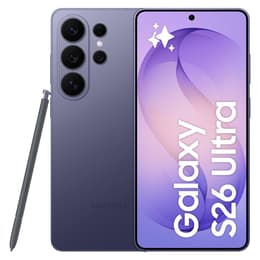
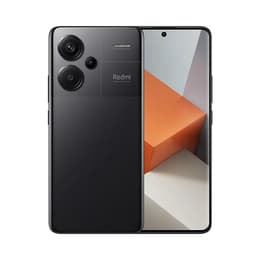
The Samsung Galaxy S26 Ultra (2026) and the Xiaomi Redmi Note 13 Pro+ (2023) are distinct smartphones representing different tiers and release timelines in the mobile market. While the Galaxy S26 Ultra serves as a contemporary high-end flagship running Android 16, the Xiaomi Redmi Note 13 Pro+ operates as a mid-range device originally launched with Android 13. Both devices target distinct user expectations regarding features, software timelines, and hardware capabilities.
Available Models
Colour
Storage (GB)
Scores
Durability
When examining hardware longevity and update timelines, the Samsung Galaxy S26 Ultra benefits from a much newer release date and extended support, whereas the Xiaomi Redmi Note 13 Pro+ has a longer operational history on the market.
- Release timeline and support: The Galaxy S26 Ultra arrives with extended software support windows spanning multiple years into the future, while the Xiaomi Redmi Note 13 Pro+ is further along in its update lifecycle.
- Repairability and build: Both models incorporate sturdy frame designs and high-grade glass construction, though service availability varies depending on regional technician access.
- Expected lifespan: The Galaxy S26 Ultra's recent hardware ensures peak software compatibility for a longer duration, whereas the Xiaomi Redmi Note 13 Pro+ suits users with shorter upgrade cycles.
Year of Release
2026
2023
Compatible with latest Update
Yes
Yes
OS
Android
Android
Foldable
No
No
Performance
System responsiveness and everyday multitasking capabilities differ noticeably between the two handsets due to their distinct hardware configurations and generation gaps.
- Multitasking and storage: The Galaxy S26 Ultra offers high-tier memory configurations paired with fast internal storage options, while the Xiaomi Redmi Note 13 Pro+ provides ample space and RAM options for standard daily applications.
- App execution and gaming: The Galaxy S26 Ultra handles demanding 3D gaming and intensive background processes with ease, whereas the Xiaomi Redmi Note 13 Pro+ manages casual gaming and routine productivity apps smoothly.
- Battery behavior: Both devices feature dependable 5000 mAh batteries, though charging speeds and daily endurance profiles vary based on processor efficiency.
Screen quality
Display engineering is a strong point for both smartphones, offering vibrant panels suited for media consumption and daily viewing tasks.
- Display technology: Both models utilize advanced AMOLED display panels that deliver deep contrast levels, rich color reproduction, and wide viewing angles.
- Refresh rate and smoothness: Each device supports a 120 Hz refresh rate, ensuring fluid scrolling through web pages and smooth animations across user interfaces.
- Outdoor visibility: High peak brightness capabilities on both screens allow for legible viewing when used directly under bright sunlight.
Resolution
1440 x 3120
1220 x 2712
Audiovisual
Camera hardware and media output capabilities reflect the respective market positioning of each smartphone, featuring high-resolution main sensors alongside secondary lenses.
- Photography performance: Both phones incorporate high-megapixel main sensors equipped with optical stabilization to capture clear everyday photos and stable low-light imagery.
- Video recording: The Galaxy S26 Ultra supports advanced high-resolution video capture modes with robust stabilization, while the Xiaomi Redmi Note 13 Pro+ handles standard 4K recording reliably.
- Audio and media: Stereo speaker setups on both devices deliver balanced sound output for hands-free calls, casual video viewing, and music playback.
Front camera
12.0
16 megapixels
Miscellaneous
Practical daily utility features, physical dimensions, and connectivity standards shape how each device fits into regular routines.
- Connectivity and ports: Both models provide modern 5G cellular connectivity, Wi-Fi networking standards, and Near Field Communication support for contactless tasks.
- Physical handling: The Galaxy S26 Ultra features a slightly larger footprint with integrated stylus support, whereas the Xiaomi Redmi Note 13 Pro+ offers curved edge ergonomics that alter grip feel.
- Durability ratings: Both smartphones carry robust dust and water resistance certifications to protect against accidental spills or submersion.
Weight
214 g
204 g
Screen size (in)
6.9
6.67
Network
5G
5G
SIM card
Physical SIM + eSIM
Dual Physical SIM
Carrier compatibility
Unlocked
Unlocked
What the community thinks
User feedback highlights distinct advantages for each device across community forums. Owners of the Samsung Galaxy S26 Ultra frequently praise its exceptional processing headroom, versatile camera array, and long-term software commitment. Conversely, users of the Xiaomi Redmi Note 13 Pro+ often emphasize its reliable display quality and rapid charging speeds as strong daily assets. Buyers exploring a quality-assured refurbished option will find that choosing a professionally restored device provides a sustainable way to access high-end technology without supporting excessive manufacturing demands.
Users prioritizing maximum processing power, cutting-edge software longevity, and advanced multi-lens photography will find the Galaxy S26 Ultra well-suited to their needs. Meanwhile, users focusing on balanced daily performance, vibrant media viewing, and rapid power replenishment may prefer the Xiaomi Redmi Note 13 Pro+. Reviewing these core aspects helps clarify which smartphone aligns best with specific daily workflows and expectations.