

Compare models

Galaxy Z Fold7 Vs iPhone 15

  • 1-year minimum warranty
  • Free delivery on all orders
  • Free 30-day returns
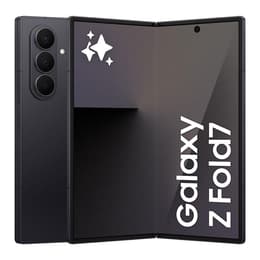
Galaxy Z Fold7
Starting at

Refurbished price:€907.00

Versus €2,236.37 new

See options
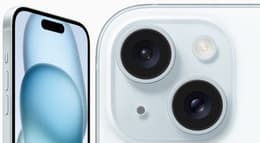
iPhone 15
Starting at

Refurbished price:€407.00

Versus €879.00 new

See options

Differences at a glance

The Samsung Galaxy Z Fold 7 (2025) and the Apple iPhone 15 (2023) represent two entirely different device categories and operating systems, contrasting a large-screen foldable Android experience with a standard-format iOS smartphone. While the Galaxy Z Fold 7 offers a flexible dual-screen layout that opens into a tablet-sized workspace, the iPhone 15 focuses on a pocket-friendly, traditional smartphone format powered by Apple software. These structural differences define their unique approaches to daily computing and communication.

Available Models

Colour

Storage

Scores

Durability

Both devices offer distinct software lifespans and hardware durability factors shaped by their release timelines and physical designs.

  • Software support timeline: The Galaxy Z Fold 7 benefits from a later launch year and extended update commitments under Android, whereas the iPhone 15 follows Apple's standard multi-year update path.
  • Physical durability: The iPhone 15 utilizes a rigid glass and aluminum build with standard water resistance, while the Galaxy Z Fold 7 features a complex folding hinge mechanism and flexible internal screen requiring careful handling.
  • Repairability considerations: Traditional slab phones like the iPhone generally present simpler repair paths, whereas foldable devices involve intricate screen assemblies that can impact long-term maintenance practicality.

Year of Release

2025

2023

Compatible with latest Update

Yes

Yes

OS

Android

iOS

Foldable

Yes

No

Performance

Handling daily workflows, multitasking, and battery endurance differently, each phone suits specific usage intensities.

  • Multitasking and app execution: The Galaxy Z Fold 7 provides ample memory and robust processing power to run multiple split-screen apps smoothly, while the iPhone 15 handles everyday apps and navigation efficiently with optimized system resources.
  • Storage configurations: Both models offer tiered internal storage starting at baseline capacities suitable for standard media libraries, though neither supports physical memory expansion.
  • Battery behavior: The iPhone 15 generally sustains standard single-day use in a compact footprint, whereas the Galaxy Z Fold 7 manages power across two separate displays, meaning heavy use of the larger inner screen results in faster battery depletion.

Screen quality

Display architecture represents the most visible divergence between these two devices, impacting media consumption and outdoor usability.

  • Display technology: The Galaxy Z Fold 7 provides a compact cover display alongside a massive tablet-sized folding inner screen, whereas the iPhone 15 features a single, fixed-size high-clarity screen.
  • Visual smoothness: The Galaxy Z Fold 7 incorporates a high refresh rate for fluid scrolling across its panels, while the iPhone 15 utilizes a standard refresh rate for interface animations.
  • Outdoor visibility: Both screens reach high peak brightness levels, ensuring text and images remain legible under direct sunlight.

Resolution

1968x2184

1179 x 2556

Audiovisual

Photography and media capture capabilities vary to accommodate different user requirements and hardware layouts.

  • Camera hardware: The Galaxy Z Fold 7 features a versatile triple-lens rear arrangement including a high-resolution main sensor, while the iPhone 15 relies on a dual-lens setup featuring a high-resolution main camera with optical-quality zoom options.
  • Video recording: Both phones deliver stable, high-definition video capture with reliable autofocus and effective stabilization for everyday moments.
  • Media audio output: Stereo speaker setups on both devices provide clear sound for hands-free calls, video viewing, and casual music playback.

Miscellaneous

Practical everyday features, connectivity standards, and physical handling traits shape the overall user experience.

  • Connectivity and ports: Both models support modern 5G networks and utilize universal USB-C ports for charging and data synchronization.
  • Authentication methods: The Galaxy Z Fold 7 uses a side-mounted fingerprint sensor integrated into the power button, while the iPhone 15 relies on facial recognition.
  • Form factor and weight: The iPhone 15 offers a lighter, narrow profile that fits easily into pockets, whereas the Galaxy Z Fold 7 is heavier and thicker when folded, transforming into a wider device when opened.

Weight

215 g

171 g

Screen size (in)

8.0

6.1

Network

5G

5G

SIM card

Dual Physical SIM + eSIM

eSIM

Carrier compatibility

Unlocked

Unlocked

Connector

USB-C (USB 3)

USB-C (USB 2)

What the community thinks

Users evaluating these devices often highlight the Galaxy Z Fold 7 for its expansive workspace and multitasking flexibility, though some note the added weight and visible screen crease as trade-offs. Conversely, users frequently praise the iPhone 15 for its comfortable ergonomics, reliable everyday reliability, and seamless software ecosystem, while noting that its single screen lacks the expansive canvas of a foldable.

Users prioritizing maximum screen estate for multitasking and media viewing may prefer the Galaxy Z Fold 7, while users prioritizing a lightweight, pocket-friendly device with straightforward operation will lean toward the iPhone 15. For buyers seeking a quality-assured refurbished option, exploring eco-friendly alternatives on Back Market can make obtaining either device a sustainable choice.