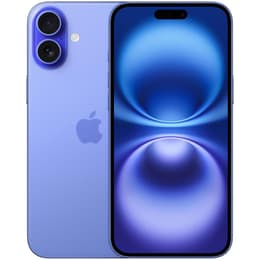


iPhone 16 Plus Vs Xiaomi 12T

iPhone 16 Plus
iPhone 16 Plus
Starting at

Refurbished price:559.00

Versus €979.00 new

See options
Xiaomi 12T
Xiaomi 12T
Starting at

Refurbished price:140.00

Versus €649.00 new

See options

Ratings

The iPhone 16 Plus, anticipated for release in late 2026, represents Apple's latest iteration in its larger-screen smartphone lineup, running on the iOS ecosystem. In contrast, the Xiaomi 12T, launched in October 2022, is a prominent Android device from Xiaomi's T-series. These two smartphones cater to different user preferences, with the iPhone 16 Plus offering a more integrated software and hardware experience typical of Apple, while the Xiaomi 12T focuses on delivering robust specifications within the Android environment.

Scores

Durability

The longevity of a smartphone is influenced by its release timeline, software support, and physical durability.

  • Release Timeline: The Xiaomi 12T was released in October 2022, making it a device from a previous generation. The iPhone 16 Plus is a much newer device, expected in late 2026, positioning it at the forefront of current smartphone technology.
  • Software Longevity: Apple is known for providing extensive software support, typically offering major iOS updates for five to seven years from an iPhone's release, with security updates often extending even longer. This means the iPhone 16 Plus is expected to receive software updates well into the 2030s. The Xiaomi 12T launched with Android 12 and is expected to receive three major Android OS updates, up to Android 15, along with four years of security updates, concluding around late 2026.
  • Physical Durability: The iPhone 16 Plus is expected to feature a Ceramic Shield front cover and an aluminum frame, contributing to its overall resilience, along with an IP68 rating for dust and water resistance. The Xiaomi 12T features a glass front with Corning Gorilla Glass 5 protection and a plastic back with an aluminum frame, offering an IP53 rating for splash and dust resistance.

Year of Release

2024

2022

Compatible with latest Update

Yes

Yes

Foldable

No

No

Performance

Performance is a key differentiator, impacting how smoothly applications run and how efficiently the device handles demanding tasks.

  • Processor Capabilities: The iPhone 16 Plus will feature Apple's latest A-series chip, designed to deliver significant performance improvements for demanding applications, advanced computational photography, and new AI-driven features. The Xiaomi 12T is powered by the MediaTek Dimensity 8100-Ultra processor, which provides capable performance for everyday tasks and mobile gaming.
  • Multitasking and Responsiveness: With its newer generation processor and optimized iOS, the iPhone 16 Plus is expected to offer seamless multitasking and highly responsive interactions across the system. The Xiaomi 12T, equipped with 8GB of RAM, handles multiple applications and transitions smoothly, providing a fluid user experience for most users.
  • Battery Behavior: The iPhone 16 Plus is anticipated to have improved battery efficiency and potentially increased capacity, benefiting from a new internal design and advanced power management in iOS 18, leading to extended usage times. The Xiaomi 12T features a 5000 mAh battery, which for many users provides a full day of use, though some heavy users have reported needing more frequent charging.

Memory (GB)

8 GB

8 GB

Screen quality

The display is the primary interface for user interaction, and its quality significantly impacts the visual experience.

  • Display Technology and Clarity: The iPhone 16 Plus is expected to feature a 6.7-inch Super Retina XDR OLED display, offering deep blacks, vibrant colors, and a high pixel density of 460 ppi for sharp visuals. The Xiaomi 12T comes with a 6.67-inch CrystalRes AMOLED display, providing a resolution of 1220 x 2712 pixels and a pixel density of 446 ppi, resulting in clear and immersive visuals.
  • Brightness and Outdoor Visibility: The iPhone 16 Plus is projected to offer a typical maximum brightness of 1000 nits, with peak HDR brightness reaching 1600 nits and outdoor peak brightness up to 2000 nits, ensuring excellent visibility in various lighting conditions. The Xiaomi 12T has a typical brightness of 500 nits and a peak brightness of 900 nits, which allows for comfortable viewing outdoors, even in sunny environments.
  • Refresh Rate and Smoothness: The iPhone 16 Plus is expected to maintain a standard refresh rate, without the ProMotion 120Hz technology found in Apple's Pro models. The Xiaomi 12T features a 120Hz adaptive refresh rate, which dynamically adjusts to content for smoother scrolling and animations while conserving battery life.

Resolution

1290 x 2796

1220 x 2712

Screen type

Super Retina XDR OLED

AMOLED

Audiovisual

Camera capabilities are a significant factor for many users, influencing the quality of photos and videos captured.

  • Rear Camera System: The iPhone 16 Plus is expected to feature a dual-lens rear camera system with a 48-megapixel main sensor (f/1.6 aperture, optical image stabilization) and a 12-megapixel ultrawide lens (f/2.2 aperture). It is also anticipated to introduce macro photography and spatial video recording for the first time on a non-Pro model. The Xiaomi 12T is equipped with a triple camera setup, including a 108-megapixel main sensor (f/1.7 aperture, OIS), an 8-megapixel ultrawide lens (f/2.2, 120° field of view), and a 2-megapixel macro lens.
  • Photography Performance: The iPhone 16 Plus is expected to deliver consistent image quality with strong low-light performance and advanced computational photography features. The Xiaomi 12T's 108-megapixel main camera captures vibrant and detailed stills with good dynamic range, particularly in well-lit conditions, though some users note that the image processing can sometimes result in saturated colors.
  • Video Recording and Features: The iPhone 16 Plus is expected to offer high-quality video recording, including the ability to capture spatial video. The Xiaomi 12T supports video recording up to 4K at 30 frames per second.

Main camera

48 megapixels

108 megapixels

Front camera

12 megapixels

20 megapixels

Miscellaneous

Beyond core features, several practical elements contribute to the overall user experience and device utility.

  • Connectivity and Ports: The iPhone 16 Plus will support the latest cellular and Wi-Fi standards, ensuring fast and reliable connectivity. It will likely feature a USB-C port for charging and data transfer. The Xiaomi 12T offers comprehensive connectivity with 5G, Wi-Fi 6, Bluetooth 5.3, NFC, GPS, and an infrared blaster, and it uses a USB-C port.
  • Biometric Security: The iPhone 16 Plus relies on Face ID for secure authentication. The Xiaomi 12T incorporates an under-display optical fingerprint sensor for convenient unlocking.
  • Design and Handling: The iPhone 16 Plus is expected to maintain a premium build with a 6.7-inch display, offering a familiar Apple design aesthetic. The Xiaomi 12T, with its 6.67-inch display, features a sleek design with a glass front and a matte plastic back, weighing 202g. Some users find its size a bit large for one-handed use.

Weight

199 g

220 g

Screen size (in)

6.7

6.67

Network

5G

5G

SIM card

eSIM

Dual Physical SIM

Carrier compatibility

Unlocked

Unlocked

Connector

USB-C (USB 2)

USB-C

The iPhone 16 Plus and Xiaomi 12T cater to distinct user needs and preferences, largely due to their different operating systems and release timelines. User feedback for the Xiaomi 12T often highlights its fast charging capabilities and the vibrant, smooth AMOLED display as significant advantages. Many users appreciate its capable main camera and strong performance for everyday tasks and gaming. However, some criticisms include the secondary cameras not matching the main sensor's quality, occasional software bugs with MIUI, and for some, the battery life not consistently meeting expectations despite its large capacity. The absence of wireless charging and a higher IP rating are also noted by some users.

For the iPhone 16 Plus, while specific user sentiment is yet to emerge given its future release, general expectations for new iPhones include praise for their long-term software support, robust performance, and consistent camera quality. Potential points of discussion often revolve around the absence of ProMotion on non-Pro models and the desire for more advanced features to trickle down from the Pro lineup. The iPhone 16 Plus is expected to appeal to users who prioritize a highly integrated ecosystem, extended software longevity, and a premium, reliable experience.

Users prioritizing rapid charging, a high refresh rate display, and a versatile Android experience may find the Xiaomi 12T well-suited to their needs. Conversely, those who value long-term software updates, a powerful and efficient processor for future-proof performance, and a tightly integrated ecosystem with advanced camera features like spatial video will likely lean towards the iPhone 16 Plus. Both devices offer compelling features for their respective audiences, and choosing between them depends on individual priorities. For those considering an eco-friendly alternative, quality-assured refurbished options for both models can provide a sustainable choice.


See all articles

Our recent comparisons