
Compare models

Google Pixel 7 Pro Vs iPhone 14 Plus

  • 1-year minimum warranty
  • Free delivery on all orders
  • Free 30-day returns
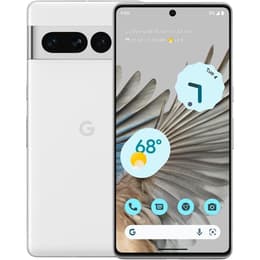
Google Pixel 7 Pro
Google Pixel 7 Pro
Starting at

Refurbished price:231.00

Versus €899.99 new

See options
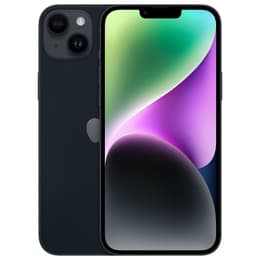
iPhone 14 Plus
iPhone 14 Plus
Starting at

Refurbished price:312.00

Versus €879.00 new

See options

Differences at a glance

The Google Pixel 7 Pro and the iPhone 14 Plus, both released in late 2022, offer distinct smartphone experiences for users seeking a large-screen device. The Pixel 7 Pro operates on Google's Android platform, emphasizing advanced computational photography and a high-refresh-rate display. In contrast, the iPhone 14 Plus runs on Apple's iOS, focusing on a streamlined user experience and robust ecosystem integration. While both devices provide ample screen real estate, they cater to different user preferences through their unique software and hardware philosophies.

Scores

Durability

When considering the long-term usability of these devices, their release timelines and software support policies are key factors.

  • Software Longevity: The iPhone 14 Plus typically receives iOS updates for approximately five to six years from its release, offering a long period of access to new features and security patches. The Pixel 7 Pro is guaranteed three years of Android OS updates and five years of security updates, providing a solid, though slightly shorter, update window for major OS versions.
  • Physical Resilience: Both devices feature IP68 water and dust resistance, meaning they can withstand submersion in water. The Pixel 7 Pro uses Gorilla Glass Victus for its front and back, while the iPhone 14 Plus incorporates Apple's Ceramic Shield on the front for enhanced drop protection.
  • Repairability: As with many modern premium smartphones, both models present challenges for user repair due to their sealed designs and intricate internal components. Professional repair services are generally recommended for both.

Year of Release

2022

2022

Compatible with latest Update

Yes

Yes

OS

Android

iOS

Foldable

No

No

Performance

The performance of both the Google Pixel 7 Pro and the iPhone 14 Plus is optimized for their respective operating systems, offering smooth experiences for daily tasks, though with different underlying strengths.

  • Everyday Responsiveness: The iPhone 14 Plus handles demanding applications and multitasking with exceptional fluidity, benefiting from its highly optimized software and powerful processing unit. The Pixel 7 Pro also delivers a very responsive experience, particularly excelling in AI-driven tasks and computational photography, thanks to its specialized processor.
  • Multitasking and Storage: The Pixel 7 Pro typically comes with 12GB of RAM, allowing for extensive multitasking and app juggling. The iPhone 14 Plus features 6GB of RAM, which, combined with iOS optimization, provides a smooth experience for most users. Both devices offer various internal storage options, including 128GB, 256GB, and 512GB, with the iPhone 14 Plus also having a 1TB option.
  • Battery Behavior: The iPhone 14 Plus is frequently praised by users for its excellent battery life, often lasting through a full day of heavy use and sometimes up to two days with moderate usage. The Pixel 7 Pro, with its larger 5000 mAh battery, offers good battery life, though user experiences can be mixed, with some reporting it can get warm during intensive tasks.

Memory (GB)

12 GB

6 GB

Screen quality

Both smartphones feature large, vibrant displays, but they differ in their underlying technology and refresh rates, impacting the visual experience.

  • Display Technology and Clarity: The Google Pixel 7 Pro boasts a 6.7-inch LTPO AMOLED display with a higher resolution (1440 x 3120 pixels), resulting in sharp text and detailed images. The iPhone 14 Plus also features a 6.7-inch Super Retina XDR OLED display, offering excellent color accuracy and deep blacks, though with a slightly lower resolution (1284 x 2778 pixels).
  • Smoothness and Brightness: A key difference is the refresh rate; the Pixel 7 Pro offers a dynamic 120Hz refresh rate, providing noticeably smoother scrolling and animations. The iPhone 14 Plus maintains a standard 60Hz refresh rate. Both displays achieve high brightness levels, ensuring good visibility even in bright outdoor conditions, with the Pixel 7 Pro having a slightly higher peak brightness.
  • Viewing Experience: Both large screens are well-suited for media consumption, gaming, and productivity tasks, offering ample screen real estate. The Pixel 7 Pro's higher refresh rate provides a more fluid interactive experience, while the iPhone 14 Plus delivers consistent, high-quality visuals.

Resolution

1440 x 3120

1284 x 2778

Screen type

LTPO AMOLED

Super Retina XDR OLED

Audiovisual

The camera systems on the Google Pixel 7 Pro and the iPhone 14 Plus represent different philosophies in mobile photography, both capable of producing excellent results.

  • Photography Capabilities: The Pixel 7 Pro features a versatile triple-camera setup, including a 50MP main sensor, a 48MP telephoto lens for 5x optical zoom, and a 12MP ultrawide lens. It excels in detail and computational photography features, often producing images with cooler tones. The iPhone 14 Plus offers a dual-camera system with a 12MP main sensor and a 12MP ultrawide lens, leveraging its Photonic Engine for impressive low-light performance and consistent image quality across various conditions, typically with warmer tones.
  • Video Recording and Front Camera: The iPhone 14 Plus generally offers stronger video recording quality and features compared to the Pixel 7 Pro. For front-facing cameras, the Pixel 7 Pro has a 10.8MP sensor, while the iPhone 14 Plus features a 12MP front camera.
  • Audio Experience: Both devices offer stereo speakers for media consumption. User feedback on the Pixel 7 Pro's speakers indicates they are generally clear but may lack bass.

Main camera

50 megapixels

12 megapixels

Front camera

10.8 megapixels

12 megapixels

Miscellaneous

Beyond core performance and display, several practical elements differentiate these two smartphones in daily use.

  • Connectivity and Ports: Both devices support 5G connectivity for fast mobile data. The Pixel 7 Pro utilizes a USB-C port for charging and data transfer, offering modern versatility. The iPhone 14 Plus, however, uses Apple's proprietary Lightning port.
  • Biometric Security: The Pixel 7 Pro offers both an in-display fingerprint sensor and Face Unlock for secure authentication. The iPhone 14 Plus relies solely on its advanced Face ID system for facial recognition.
  • Design and Handling: The Pixel 7 Pro features a slightly curved display and a distinctive horizontal camera bar on its glass back, with an aluminum frame. The iPhone 14 Plus has flat front and back surfaces with an aluminum frame, giving it a different in-hand feel. The Pixel 7 Pro is slightly taller, narrower, and thicker, and weighs 212 grams, compared to the iPhone 14 Plus's 203 grams.

Weight

212 g

203 g

Screen size (in)

6.7

6.7

Network

5G

5G

SIM card

Physical SIM + eSIM

Physical SIM + eSIM

Carrier compatibility

Unlocked

Unlocked

What the community thinks

User sentiment for the Google Pixel 7 Pro often highlights its exceptional camera capabilities, particularly its computational photography features, and its smooth overall performance. Many users appreciate the clean Android experience and the fast, accurate in-display fingerprint sensor. However, some criticisms include mixed battery life experiences, with the device occasionally getting warm during intensive tasks, and video recording quality not always matching still photography.

The iPhone 14 Plus receives consistent praise for its outstanding battery life, often cited as a major advantage, and its large, vibrant display. Users also value the seamless iOS ecosystem and the device's consistent performance. Common criticisms, however, revolve around its 60Hz display refresh rate, which some users find less fluid compared to higher refresh rate screens on other devices, and the absence of a dedicated telephoto lens.

Users prioritizing advanced camera features, a high-refresh-rate display, and the flexibility of the Android operating system may find the Google Pixel 7 Pro well-suited to their needs. Those who value exceptional battery longevity, a highly optimized and consistent user experience, and robust ecosystem integration might lean toward the iPhone 14 Plus. Both devices offer a quality-assured refurbished option, providing an eco-friendly alternative for consumers. Ultimately, the choice depends on individual priorities regarding software preference, camera versatility, display fluidity, and battery endurance.