
iPhone

Compare models
Differences at a glance
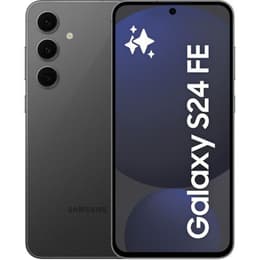
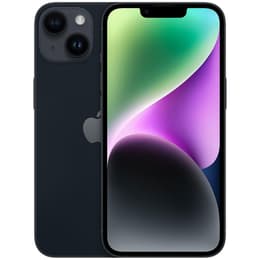
The Samsung Galaxy S24 FE, released in late 2024, and the Apple iPhone 14, launched in late 2022, represent two distinct approaches to smartphone design and functionality. While both offer capable performance and advanced camera systems, they differ significantly in their operating systems, display technologies, and overall user experience. This comparison aims to highlight these practical differences to help consumers make an informed decision.
Colour
Storage
When considering the long-term usability of a smartphone, software support and physical resilience are key factors. The Galaxy S24 FE and iPhone 14 offer different timelines and approaches to longevity.
Year of Release
Compatible with latest Update
OS
Foldable
The responsiveness and processing power of a smartphone directly impact daily usage, from launching applications to handling demanding tasks. Both the Galaxy S24 FE and iPhone 14 deliver smooth experiences, though with different underlying architectures.
The display is a primary interface for any smartphone, and both the Galaxy S24 FE and iPhone 14 offer vibrant and clear viewing experiences, albeit with some distinctions in their specifications.
Resolution
Photography and videography capabilities are often a significant consideration for smartphone users, and both devices provide versatile camera systems for capturing moments.
Front camera
Beyond core features, several practical elements contribute to the overall user experience and daily convenience of a smartphone.
Weight
Screen size (in)
Network
SIM card
Carrier compatibility
Connector
The Samsung Galaxy S24 FE and iPhone 14 cater to different user preferences, each excelling in various aspects. Users frequently praise the Galaxy S24 FE for its vibrant 120Hz display, extended software support, and the versatility of its triple camera system, particularly the inclusion of a telephoto lens. Some users note that while the main camera performs strongly, the ultrawide and telephoto lenses might not always match the detail of the primary sensor. The integration of Galaxy AI features is also a common positive point.
Conversely, the iPhone 14 is often lauded for its consistent performance, robust build quality with Ceramic Shield, and the reliable image processing of its dual-camera system, especially in low-light conditions thanks to the Photonic Engine. Criticisms sometimes point to its 60Hz display refresh rate and the absence of a dedicated telephoto lens. Some users have also reported concerns about battery degradation over time, though real-world battery life is generally considered sufficient for a full day of moderate use.
Users prioritizing a larger, high-refresh-rate display, a versatile camera with optical zoom, and a longer commitment to software updates may find the Samsung Galaxy S24 FE well-suited to their needs. Those who value a more compact design, a highly optimized operating system, and consistent camera performance across its available lenses might lean towards the iPhone 14. Both devices offer a quality-assured refurbished option, providing an eco-friendly alternative for consumers seeking reliable technology.