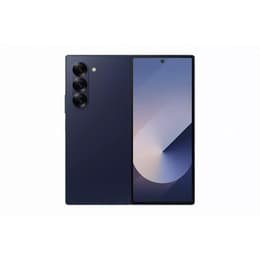
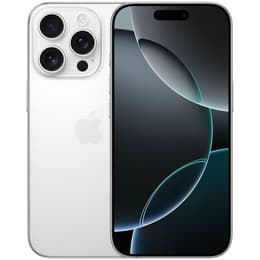


Galaxy Z Fold6 Vs iPhone 16 Pro

Galaxy Z Fold6
Galaxy Z Fold6
Starting at

Refurbished price:750.00

Versus €1,973.53 new

See options
iPhone 16 Pro
iPhone 16 Pro
Starting at

Refurbished price:645.00

Versus €1,239.00 new

See options

Ratings

The Samsung Galaxy Z Fold6 and the Apple iPhone 16 Pro, both released in 2024, represent distinct approaches to high-end smartphone design and functionality. The Galaxy Z Fold6 offers a unique foldable form factor that transforms from a traditional smartphone into a tablet-like experience, while the iPhone 16 Pro refines the classic premium smartphone design with advanced capabilities. Their primary differentiator lies in this fundamental design choice, influencing everything from display interaction to overall portability and use cases.

Scores

Durability

When considering the long-term usability of these devices, both the Galaxy Z Fold6 and the iPhone 16 Pro offer robust support, though their approaches differ.

  • Software Longevity: The Galaxy Z Fold6 is part of Samsung's commitment to providing seven years of major Android OS updates and security patches, extending its software support well into the future. The iPhone 16 Pro, running iOS, typically receives major software updates for five to six years from its release, ensuring a long period of access to the latest features and security enhancements.
  • Physical Durability: The Galaxy Z Fold6 features an improved Armor Aluminum frame and an IPX8 water resistance rating, along with a new slim Flex Hinge design, contributing to its structural integrity. The iPhone 16 Pro utilizes a titanium alloy frame, known for its strength and lighter weight, and maintains Apple's high standards for water and dust resistance.
  • Practical Lifespan: Users can expect both devices to remain highly functional for several years. The Z Fold6's foldable screen technology has seen continuous improvements in durability, while the iPhone 16 Pro's traditional design benefits from established manufacturing processes for longevity.

Year of Release

2024

2024

Compatible with latest Update

Yes

Yes

Foldable

Yes

No

Performance

Both the Galaxy Z Fold6 and the iPhone 16 Pro are equipped with current-generation processors designed to handle demanding tasks and offer smooth user experiences.

  • Processing Power: The Galaxy Z Fold6 is powered by a processor optimized for Galaxy devices, enabling efficient multitasking and responsive performance across its dual screens. The iPhone 16 Pro features Apple's A18 Pro chip, which provides substantial power for complex applications, high-fidelity gaming, and advanced computational photography.
  • Multitasking and Responsiveness: The Galaxy Z Fold6, with its 12GB of RAM, is well-suited for running multiple applications simultaneously and switching between them seamlessly, particularly benefiting from its large internal display for productivity. The iPhone 16 Pro, typically featuring 8GB of RAM, delivers fluid navigation and quick app launches, maintaining high performance even with numerous background processes.
  • Storage Options: Both devices offer a range of storage capacities to suit different user needs. The Galaxy Z Fold6 is available with 256GB, 512GB, or 1TB of internal storage. The iPhone 16 Pro also comes in 128GB, 256GB, 512GB, and 1TB configurations, providing ample space for apps, media, and documents.

Memory (GB)

12 GB

8 GB

Screen quality

The display experience is a key area of differentiation, with the Galaxy Z Fold6 offering versatility through its foldable design and the iPhone 16 Pro providing a refined, traditional screen.

  • Display Technology and Size: The Galaxy Z Fold6 features two Dynamic AMOLED 2X displays: a 6.3-inch cover screen and a 7.6-inch main foldable screen when unfolded. This allows for a compact phone experience or an expansive tablet-like view. The iPhone 16 Pro sports a single 6.3-inch Super Retina XDR OLED display, offering a consistent and high-quality viewing area.
  • Clarity and Brightness: Both devices offer vibrant visuals with high resolution. The Z Fold6's main display has a resolution of 1856 x 2160 pixels, and its cover screen is 968 x 2376 pixels, both supporting a 120Hz refresh rate for smooth scrolling and animations. It boasts a peak brightness of 2600 nits. The iPhone 16 Pro's display has a resolution of 2622x1206 pixels and also features a 120Hz adaptive refresh rate. It offers a typical SDR brightness of 1200 nits, a peak HDR brightness of 1600 nits, and can reach 2000 nits peak brightness outdoors.
  • Viewing Experience: The Z Fold6's wider cover screen aspect ratio improves usability when folded, making it feel more like a conventional smartphone. When unfolded, its large display is ideal for immersive media consumption and productivity. The iPhone 16 Pro's display, with its thinner bezels, provides an expansive and immersive viewing experience in a traditional form factor.

Resolution

1856 x 2160

1206 x 2622

Audiovisual

Both the Galaxy Z Fold6 and the iPhone 16 Pro offer advanced camera systems designed to capture high-quality photos and videos in various conditions.

  • Rear Camera Systems: The Galaxy Z Fold6 features a versatile triple-camera setup, including a 50-megapixel main sensor, a 12-megapixel ultrawide lens, and a 10-megapixel telephoto lens with 3x optical zoom. The iPhone 16 Pro also comes with a triple-lens system, featuring a 48-megapixel main camera, a 48-megapixel ultrawide camera, and a 12-megapixel telephoto lens with 5x optical zoom, bringing enhanced zoom capabilities to the smaller Pro model.
  • Photography Performance: The Z Fold6's camera system is expected to deliver detailed images with good color reproduction, building on Samsung's established camera performance. The iPhone 16 Pro's upgraded ultrawide camera is designed for sharper wide-angle shots and improved low-light performance, while a new anti-lens flare coating aims to enhance overall photo quality. Both devices offer advanced computational photography features to optimize image quality.
  • Video and Audio Capabilities: The iPhone 16 Pro supports 4K video recording at up to 120 frames per second and can capture spatial videos and photos, catering to users interested in immersive content. It also includes a new Camera Control button for easier photo and video capture. The Z Fold6 also offers high-quality video recording, and both devices provide clear microphone quality for calls and recordings, along with capable stereo speakers for media playback.

Front camera

4 megapixels

12 megapixels

Miscellaneous

Beyond core features, several practical elements contribute to the overall user experience of these two flagship smartphones.

  • Connectivity and Ports: Both devices support modern connectivity standards. The Galaxy Z Fold6 includes 5G, LTE, Wi-Fi 6E, and Bluetooth 5.3. The iPhone 16 Pro steps up to Wi-Fi 7, offering potentially faster and more reliable wireless connections. Both utilize a USB-C port for charging and data transfer.
  • Design and Handling: The Galaxy Z Fold6 is notably thinner and lighter than its predecessor, weighing 239 grams, and features a titanium build, making it more comfortable to handle for a foldable device. The iPhone 16 Pro, while maintaining a premium titanium alloy frame, is slightly taller, heavier, and wider than the iPhone 15 Pro due to its larger display, weighing 199 grams.
  • Unique Features: The Z Fold6 integrates Galaxy AI features, enhancing various aspects of the user experience, from communication to content creation. The iPhone 16 Pro introduces a new Camera Control button, providing a dedicated physical input for camera functions, and continues to feature the customizable Action button.

Weight

239 g

199 g

Screen size (in)

7.6

6.3

Network

5G

5G

SIM card

Physical SIM + eSIM

eSIM

Carrier compatibility

Unlocked

Unlocked

Connector

USB-C

USB-C (USB 3)

Choosing between the Galaxy Z Fold6 and the iPhone 16 Pro ultimately depends on individual priorities and how a user intends to interact with their device. The Galaxy Z Fold6 excels for users who prioritize screen real estate and the versatility of a device that can switch between a compact smartphone and a larger tablet. Its expansive internal display is ideal for productivity, immersive media consumption, and advanced multitasking, making it well-suited for professionals, students, or anyone who frequently works with multiple apps simultaneously. The longer software support also offers peace of mind for extended use.

Conversely, the iPhone 16 Pro caters to those who prefer a traditional, refined smartphone experience with a strong emphasis on camera performance, a powerful and efficient operating system, and a robust ecosystem. Its enhanced camera system, particularly the improved ultrawide and telephoto capabilities, makes it an excellent choice for photography and videography enthusiasts. Users who value a consistent, intuitive interface and seamless integration with other Apple devices will find the iPhone 16 Pro a compelling option.

For those considering either of these advanced devices, exploring quality-assured refurbished options can provide an eco-friendly alternative, offering premium technology with a reduced environmental footprint. Both the Galaxy Z Fold6 and the iPhone 16 Pro represent the pinnacle of smartphone technology in their respective categories, each offering a distinct set of advantages tailored to different user lifestyles.


See all articles

Our recent comparisons