


Compare models
Galaxy Z Flip7 Vs Xiaomi 12T
- 1-year minimum warranty
- Free delivery on all orders
- Free 30-day returns
Differences at a glance
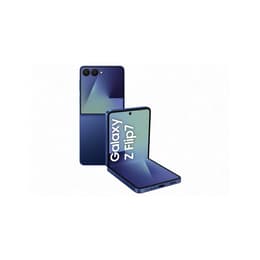
The Samsung Galaxy Z Flip7 (2025) and the Xiaomi 12T (2022) represent two completely different approaches to modern smartphone design, contrasting a contemporary foldable clamshell format with a traditional slate layout. While the Galaxy Z Flip7 emphasizes pocket-friendly portability through a folding screen and advanced hardware, the Xiaomi 12T prioritizes a large conventional display and rapid charging capabilities. Both devices run on the Android operating system paired with distinct manufacturer interfaces, catering to very different user preferences.
Available Models
Colour
Storage (GB)
Scores
Durability
When evaluating hardware longevity and software support, these two models occupy different stages in their product lifecycles, with the newer Samsung model positioned for extended future utility.
- Release timeline and software support: The Galaxy Z Flip7 benefits from a recent 2025 release date and extended manufacturer software update commitments. In contrast, the Xiaomi 12T debuted in late 2022, meaning a larger portion of its official support window has already passed.
- Expected practical lifespan: The Galaxy Z Flip7 provides extended software runway for users keeping devices long-term, whereas the Xiaomi 12T relies on a mature, stable software environment that suits users seeking a reliable device without frequent OS overhauls.
- Repairability and durability design: The Xiaomi 12T features a standard rigid slate construction with traditional glass protection, while the Galaxy Z Flip7 incorporates a sophisticated folding hinge mechanism that requires careful handling alongside modern protective materials.
Year of Release
2025
2022
Compatible with latest Update
Yes
Yes
OS
Android
Android
Foldable
Yes
No
Performance
Daily operation and responsiveness differ noticeably due to the generation gap and hardware architecture of each device.
- Multitasking and system responsiveness: The Galaxy Z Flip7 handles demanding applications, complex multitasking, and high-end gaming smoothly thanks to its current-generation processor and generous memory configuration. The Xiaomi 12T relies on an older upper-mid-range processor that manages everyday tasks, social media apps, and moderate multitasking reliably.
- Storage and configuration options: The Galaxy Z Flip7 provides high-tier storage configurations starting at generous capacities, whereas the Xiaomi 12T is typically available in standard storage tiers suited to average media libraries.
- Battery behavior in daily use: The Xiaomi 12T utilizes a large battery capacity coupled with very fast wired charging support to minimize downtime. The Galaxy Z Flip7 balances a compact folding chassis with efficient power management to navigate a full day of standard use.
Screen quality
Display technology is a primary differentiator, contrasting a flexible folding screen against a traditional rigid panel.
- Display technology and format: The Galaxy Z Flip7 features a foldable inner screen paired with a functional outer cover display for quick notifications, alongside dynamic refresh rate adjustments. The Xiaomi 12T counters with a rigid high-resolution AMOLED panel featuring a fixed high refresh rate for smooth scrolling.
- Outdoor visibility and brightness: Both devices deliver high peak brightness levels to ensure content remains legible under direct sunlight, though reflective characteristics differ slightly between flexible plastic-polymer layers and traditional glass.
- Media consumption experience: The Xiaomi 12T offers an uninterrupted rectangular viewing area well-suited for widescreen video playback, while the Galaxy Z Flip7 provides a tall aspect ratio that folds down compactly for effortless transport.
Resolution
1080x2520
1220 x 2712
Audiovisual
Imaging capabilities and media output vary significantly based on the lens arrangements and processing software embedded in each phone.
- Camera system hardware: The Xiaomi 12T focuses on a high-resolution primary sensor designed to capture sharp daily stills, complemented by basic utility lenses. The Galaxy Z Flip7 pairs a versatile main wide sensor with an ultra-wide lens, enhanced by unique folding modes that allow the device to prop itself up for hands-free framing.
- Video recording and audio: Both models support stable high-definition video capture with clear built-in microphone arrays for voice calls, while stereo speakers on both devices provide adequate sound output for casual media streaming.
- Low-light performance: Image processing algorithms on both units assist in brightening dark scenes, though the newer processing suite on the Galaxy Z Flip7 yields refined noise reduction in challenging lighting.
Front camera
10 megapixels
20 megapixels
Miscellaneous
Physical construction, connectivity standards, and daily ergonomic factors shape how each device fits into routine handling.
- Build materials and physical dimensions: The Xiaomi 12T features a traditional glass back and rigid frame weighing around 200 grams, whereas the Galaxy Z Flip7 utilizes an aluminum frame and specialized folding glass structure that reduces its footprint significantly when closed.
- Connectivity and ports: Both smartphones support modern 5G cellular networks, Wi-Fi standards, and Bluetooth pairing, utilizing USB-C ports for data transfer and power delivery.
- Authentication sensors: The Xiaomi 12T implements an optical under-display fingerprint reader, while the Galaxy Z Flip7 incorporates a side-mounted fingerprint sensor integrated into the power button alongside facial recognition options.
Weight
188 g
220 g
Screen size (in)
6.9
6.67
Network
5G
5G
SIM card
Physical SIM + eSIM
Dual Physical SIM
Carrier compatibility
Unlocked
Unlocked
Connector
USB-C
USB-C
What the community thinks
User feedback and community discussions highlight distinct reasons for choosing either model based on individual habits. Owners of the Xiaomi 12T frequently praise its dependable battery life, rapid charging speeds, and sharp traditional screen. Conversely, users of the Galaxy Z Flip7 often emphasize the convenience of its compact folding form factor, pocketability, and innovative multi-angle viewing capabilities. Choosing a quality-assured refurbished option through sustainable platforms like Back Market provides an eco-friendly alternative for acquiring these devices while reducing electronic waste.
Users prioritizing pocket-friendly portability, modern hardware, and unique folding flexibility will find the Galaxy Z Flip7 well-suited to their needs. Meanwhile, users who prefer a traditional slate format, rapid wired charging convenience, and a straightforward media consumption display may lean toward the Xiaomi 12T. Evaluating personal workflow priorities will determine which layout aligns best with daily requirements.