

Compare models

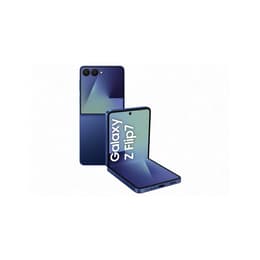
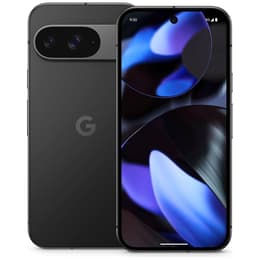
Galaxy Z Flip7 Vs Google Pixel 9

  • 1-year minimum warranty
  • Free delivery on all orders
  • Free 30-day returns
Galaxy Z Flip7
Starting at

Refurbished price:594.00

Versus €1,328.48 new

See options
Google Pixel 9
Starting at

Refurbished price:420.00

Versus €1,066.71 new

See options

Differences at a glance

The Samsung Galaxy Z Flip7 (2025) and the Google Pixel 9 (2024) represent two distinct approaches to modern smartphone design, contrasting a foldable clamshell form factor with a traditional slab build. While both devices deliver robust everyday capabilities and advanced processing power, they cater to very different physical preferences and user workflows. Operating on custom iterations of the Android operating system, they each integrate deeply with modern software ecosystems while offering unique hardware advantages.

Available Models

Colour

Storage (GB)

Scores

Durability

Durability and software longevity differ between these two models due to their distinct hardware categories and release timelines.

  • Software Support and Updates: The Google Pixel 9 benefits from an extended multi-year update commitment stretching up to seven years, whereas the Galaxy Z Flip7 provides a similarly robust update schedule aligned with Samsung's latest software policy.
  • Physical Resilience: The Pixel 9 features a standard rigid slab design with reinforced glass and high-grade aluminum, while the Galaxy Z Flip7 incorporates a flexible folding display panel that requires careful handling over years of frequent opening and closing.
  • Expected Lifespan: Both devices offer strong internal components capable of lasting several years, though traditional slab phones like the Pixel 9 typically present fewer mechanical wear points over long-term daily use.

Year of Release

2025

2024

Compatible with latest Update

Yes

Yes

OS

Android

Android

Foldable

Yes

No

Performance

System performance and efficiency handle demanding multitasking, background processes, and daily app navigation smoothly across both models.

  • Storage and Multitasking: The Pixel 9 offers flexible storage capacities paired with generous memory configurations, while the Galaxy Z Flip7 begins at higher baseline storage tiers to accommodate expansive media libraries and multitasking needs.
  • Battery Behavior: The Pixel 9 relies on a standard capacity battery designed to easily clear a full day of mixed usage, whereas the compact chassis of the Galaxy Z Flip7 houses a slightly smaller power cell that may require more frequent charging during heavy multimedia sessions.
  • System Responsiveness: Both smartphones launch applications rapidly, switch between active tasks without stuttering, and handle graphics-heavy software reliably thanks to modern processing hardware.

Screen quality

Visual output and display engineering deliver distinct viewing experiences depending on whether you prefer a folding screen or a standard glass panel.

  • Display Technology: The Pixel 9 utilizes a bright, rigid OLED panel with crisp resolution and smooth refresh rates, whereas the Galaxy Z Flip7 features a foldable dynamic AMOLED main display accompanied by a functional outer cover screen for quick interactions.
  • Outdoor Visibility: Both panels achieve high peak brightness levels, ensuring that text, images, and maps remain legible under direct sunlight.
  • Refresh Rate and Motion: Both devices support fluid high refresh rates up to 120Hz, ensuring seamless scrolling through web pages and smooth animations throughout the user interface.

Resolution

1080x2520

1080 x 2424

Audiovisual

Media capture and audio output capabilities provide reliable tools for photography, video recording, and everyday entertainment.

  • Camera Systems: The Pixel 9 equips a dual-lens rear setup tailored for computational photography and detailed low-light captures, while the Galaxy Z Flip7 offers a versatile main and ultra-wide arrangement that benefits from flexible angles enabled by the folding hinge.
  • Video and Audio: Both handsets record stable, high-resolution video with clear stereo sound separation, making them well-suited for casual recording and virtual calls via integrated multi-microphone arrays.
  • Media Consumption: Built-in stereo speakers deliver balanced audio output for podcasts and video playback, though neither includes a traditional headphone jack.

Front camera

10 megapixels

10.5 megapixels

Miscellaneous

Physical dimensions, connectivity options, and security features shape the ergonomics and day-to-day handling of each device.

  • Connectivity and Ports: Both models support fast 5G cellular networks, modern Wi-Fi standards, Bluetooth connectivity, and feature reversible USB Type-C charging ports.
  • Security and Biometrics: Fast biometric authentication is handled via responsive fingerprint sensors and secure facial recognition features built into both device interfaces.
  • Portability and Handling: The Pixel 9 provides a traditional slab footprint with standard pocket ergonomics, whereas the Galaxy Z Flip7 folds cleanly in half to occupy significantly less space in pockets or small bags.

Weight

188 g

198 g

Screen size (in)

6.9

6.3

Network

5G

5G

SIM card

Physical SIM + eSIM

Physical SIM + eSIM

Carrier compatibility

Unlocked

Unlocked

Connector

USB-C

USB-C

What the community thinks

User discussions across community forums frequently praise the Google Pixel 9 for its reliable battery longevity, clean software interface, and robust everyday camera performance. At the same time, users often note that its rigid slab profile lacks the novelty and extreme pocketability of a clamshell device. Conversely, owners of the Galaxy Z Flip7 highlight the convenience of its outer cover screen and compact folding footprint, while noting that the unique display crease and battery capacity require some compromise during intensive daily use.

Users who prioritize a compact, pocket-friendly design with innovative folding capabilities may prefer the Galaxy Z Flip7, while users who prioritize traditional ergonomics, consistent battery behavior, and a sturdy slab build will likely lean toward the Google Pixel 9. Choosing a quality-assured refurbished option through platforms like Back Market provides an eco-friendly alternative for acquiring either device while reducing electronic waste. Ultimately, the right choice depends entirely on whether your daily routine aligns better with a folding form factor or a conventional smartphone layout.