

Galaxy A56 Vs Google Pixel 9

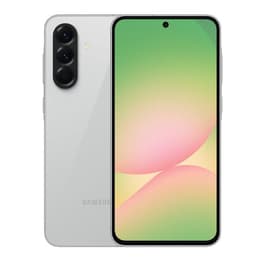
Galaxy A56
Galaxy A56
Starting at

Refurbished price:294.00

Versus €502.00 new

See options
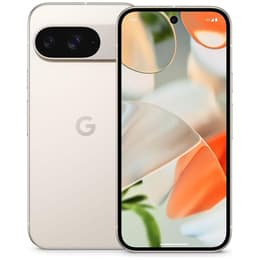
Google Pixel 9
Google Pixel 9
Starting at

Refurbished price:386.00

Versus €1,066.71 new

See options

Ratings

The Samsung Galaxy A56, released in March 2025, and the Google Pixel 9, launched in August 2024, represent distinct approaches to the modern smartphone experience. While both devices operate on the Android platform, the Galaxy A56 focuses on delivering a balanced feature set with robust battery performance, whereas the Pixel 9 prioritizes advanced computational photography and a streamlined software experience. These differences cater to varying user preferences, from those seeking extended software longevity to those valuing a larger display and enduring power.

Scores

Durability

The longevity of a smartphone is significantly influenced by its software support and physical resilience. Both the Galaxy A56 and the Pixel 9 offer substantial commitments to updates, ensuring prolonged usability.

  • Software Support: The Google Pixel 9 is designed for extended relevance, with Google committing to seven years of both operating system and security updates from its August 2024 release. This policy ensures the device remains current with the latest Android features and security protocols well into the future. The Samsung Galaxy A56, released in March 2025, initially promised six major Android OS upgrades and six years of security updates. However, Samsung has quietly extended the security update support for the Galaxy A56 to seven years, aligning it more closely with the Pixel's security longevity, though OS upgrades remain at six years.
  • Physical Durability: The Galaxy A56 features an aluminum frame and is protected by Corning Gorilla Glass Victus+ on both its front and back, contributing to its sturdy build. It carries an IP67 rating for dust and water resistance, meaning it can withstand submersion in up to one meter of water for 30 minutes. The Pixel 9 incorporates Gorilla Glass Victus 2 on its front and back and utilizes a frame made from 100% recycled aluminum. It boasts a slightly higher IP68 rating, offering enhanced protection against dust and water ingress.
  • Expected Lifespan: Both devices are built to last, with their respective software support policies providing a solid foundation for long-term use. The Pixel 9's longer guaranteed OS update period may appeal to users who prioritize having the very latest Android features for the maximum possible time, while the Galaxy A56's extended security updates ensure it remains a secure option for many years.

Year of Release

2025

2024

Compatible with latest Update

Yes

Yes

OS

Android

Android

Foldable

No

No

Performance

The performance of a smartphone dictates its responsiveness and ability to handle various applications, from everyday tasks to more demanding operations. The Galaxy A56 and Pixel 9 approach performance with different hardware philosophies.

  • Processing Power: The Google Pixel 9 is powered by Google's Tensor G4 processor, designed to efficiently manage complex tasks and enhance AI-driven features. This allows for smooth navigation, quick app launches, and responsive multitasking, particularly benefiting users who engage with advanced computational photography or AI functionalities. The Samsung Galaxy A56 utilizes the Exynos 1580 chipset, which provides capable performance for daily usage, including browsing, social media, and moderate gaming. While it may not match the raw power of flagship processors for intensive applications, it offers a consistent and reliable experience for the average user.
  • Multitasking and Storage: The Pixel 9 typically comes with 12GB of RAM, facilitating seamless transitions between multiple applications and efficient background processing. It offers storage options of 128GB or 256GB. The Galaxy A56 is available with 8GB or 12GB of RAM and 128GB or 256GB of internal storage, with the added flexibility of expandable storage via a microSD card, which can be beneficial for users who require more space for media and files.
  • Battery Behavior: The Pixel 9, with its 4700mAh battery, is reported by users to comfortably last a full day with typical usage, even with its 120Hz display enabled. The Galaxy A56 features a larger 5000mAh battery, and reviews indicate excellent endurance, with some users experiencing nearly two days of mixed usage on a single charge. Both devices support fast charging, with the Galaxy A56 offering 45W wired charging and the Pixel 9 supporting 27W wired charging, alongside wireless charging capabilities.

Memory (GB)

8 GB

12 GB

Screen quality

The display is a primary interface for smartphone interaction, and both the Galaxy A56 and Pixel 9 offer vibrant viewing experiences with distinct characteristics.

  • Display Technology and Size: The Samsung Galaxy A56 features a 6.7-inch Super AMOLED display, known for its deep blacks and rich color reproduction. The Google Pixel 9 sports a slightly more compact 6.3-inch OLED Actua display, which is also praised for its clarity and accurate color representation.
  • Resolution and Clarity: Both devices offer Full HD+ resolutions, with the Galaxy A56 at 1080x2340 pixels and the Pixel 9 at 1080x2424 pixels. This ensures sharp visuals for everyday content consumption, browsing, and app usage.
  • Brightness and Smoothness: The Galaxy A56 provides a 120Hz refresh rate for smooth scrolling and animations, with a peak brightness of 1900 nits, offering good visibility in various lighting conditions. The Pixel 9 also features a 60-120Hz adaptive refresh rate, which adjusts dynamically to optimize battery life while maintaining smoothness. It boasts a higher peak brightness of up to 2700 nits, which can be particularly beneficial for outdoor visibility under direct sunlight.

Resolution

1080 x 2340

1080 x 2424

Screen type

Super AMOLED

OLED

Audiovisual

Camera capabilities are a significant consideration for many users, encompassing both still photography and video recording. The Galaxy A56 and Pixel 9 offer versatile camera systems with different strengths.

  • Rear Camera Systems: The Google Pixel 9 features an advanced dual-rear camera system, including a 50MP wide camera with optical image stabilization (OIS) and a 48MP ultrawide camera with macro focus. It is widely recognized for its computational photography, which enhances image quality across various scenarios, particularly in challenging lighting. The Samsung Galaxy A56 comes with a triple-camera setup on the rear, comprising a 50MP main sensor with OIS, a 12MP ultrawide lens, and a 5MP macro camera. While its main sensor delivers capable images, especially with improved color reproduction over its predecessor, the overall camera performance is generally considered strong for its segment.
  • Low-Light and Everyday Photography: The Pixel 9 excels in low-light conditions, leveraging its computational photography to produce detailed and well-exposed images. Users often praise its ability to capture natural-looking photos. The Galaxy A56 also performs well in daylight, and its low-light performance has seen improvements, though the Pixel's dedicated software processing often gives it an edge in very dim environments.
  • Video Recording and Front Camera: Both devices are capable of recording videos up to 4K at 30 frames per second. The Pixel 9's front camera is 10.5MP, while the Galaxy A56 features a 12MP front camera, noted for good selfie quality and 4K video recording. The Pixel 9 also includes AI camera features like 'Add Me' for creative photo editing.

Main camera

4K@30fps

50 megapixels

Front camera

13 megapixels

10.5 megapixels

Miscellaneous

Beyond core performance and display, several practical elements contribute to the overall user experience of a smartphone. The Galaxy A56 and Pixel 9 offer a range of features designed for convenience and connectivity.

  • Connectivity Options: Both devices support 5G connectivity for fast mobile data speeds. The Galaxy A56 includes Wi-Fi 6 and Bluetooth 5.3, providing reliable wireless connections. The Pixel 9 steps up with Wi-Fi 7 and Bluetooth 5.3, offering potentially faster and more efficient wireless networking where compatible infrastructure is available. Both also feature NFC for contactless payments and other short-range communications.
  • Ports and Sensors: Both smartphones utilize a USB-C port for charging and data transfer. Neither device includes a traditional 3.5mm headphone jack. For security, both offer an under-display fingerprint sensor and support face recognition for unlocking. The Pixel 9 also integrates Google's Titan M2 security coprocessor for enhanced data protection.
  • Design and Handling: The Galaxy A56 measures 162.2 x 77.5 x 7.4 mm and weighs 198 grams, featuring a glass front and back with an aluminum frame. The Pixel 9 is slightly more compact at 152.8 x 72 x 8.5 mm and also weighs 198 grams, with Gorilla Glass Victus 2 on both sides and a recycled aluminum frame. The choice between them may come down to preference for screen size and overall hand feel, with the A56 offering a larger display in a similar weight class.

Weight

197 g

198 g

Screen size (in)

6.5

6.3

Network

5G

5G

SIM card

Dual Physical SIM + eSIM

Physical SIM + eSIM

Carrier compatibility

Unlocked

Unlocked

Connector

USB-C

USB-C

User feedback for both the Samsung Galaxy A56 and the Google Pixel 9 highlights their respective strengths. The Pixel 9 is frequently praised for its exceptional camera capabilities, delivering consistent and high-quality photos, particularly in challenging lighting conditions. Users also appreciate its clean Android experience, timely software updates, and the promise of seven years of comprehensive support, which ensures long-term relevance and security. Some users have noted that while the Tensor processor is powerful, the fingerprint reader can occasionally be inconsistent, and some advanced AI camera features may not always perform flawlessly.

The Galaxy A56 receives commendation for its impressive battery life, often lasting well over a day with mixed usage, and its vibrant Super AMOLED display. Its durable build with Gorilla Glass Victus+ and IP67 rating also contributes to a positive user experience. While its camera system is capable, especially the main sensor, some comparisons suggest the Pixel 9 holds an edge in overall photographic prowess.

For users prioritizing an outstanding camera experience, the latest Android features, and the longest possible software support, the Google Pixel 9 presents a compelling option. Its focus on computational photography and a streamlined user interface makes it well-suited for those who value a smart, intuitive, and secure device for many years. Conversely, individuals who prefer a larger display, exceptional battery endurance, and expandable storage will find the Samsung Galaxy A56 to be a strong contender. It offers a balanced set of features for everyday use, wrapped in a durable design.

Both devices offer a pathway to a quality smartphone experience, and considering a quality-assured refurbished option for either model can be an eco-friendly alternative, providing access to these features while supporting sustainable consumption.


See all articles

Our recent comparisons