
iPhone

Compare models
Differences at a glance
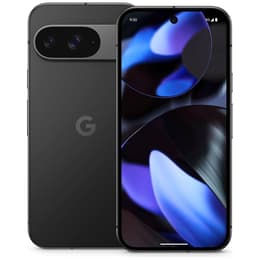
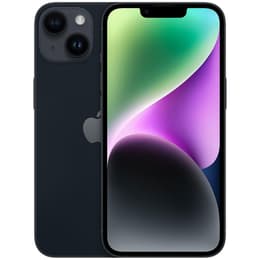
The Google Pixel 9, released in August 2024, and the iPhone 14, launched in September 2022, represent distinct approaches to the modern smartphone experience. While both devices offer robust performance and advanced camera systems, they differ significantly in their operating systems, design philosophies, and feature sets. The Pixel 9 runs on Google's Android platform, emphasizing artificial intelligence and a streamlined user interface, whereas the iPhone 14 operates on Apple's iOS, known for its integrated ecosystem and user-friendly experience. For consumers considering a quality-assured refurbished option, understanding these core differences is key to making an informed choice.
Colour
Storage
When evaluating the long-term viability of these devices, their respective release timelines and software support policies are important considerations.
Year of Release
Compatible with latest Update
OS
Foldable
Both smartphones are designed to handle daily tasks efficiently, though they achieve this with different underlying hardware and software optimizations.
The visual experience on both devices is delivered through high-quality displays, each with specific characteristics.
Resolution
Screen type
Both smartphones are recognized for their camera capabilities, though they excel in different aspects of photography and videography.
Main camera
Front camera
Beyond core features, several practical elements contribute to the overall user experience of these devices.
Weight
Screen size (in)
Network
SIM card
Carrier compatibility
Connector
The Google Pixel 9 and iPhone 14 cater to different user preferences, each bringing a distinct set of strengths to the table. The Pixel 9 is often praised for its clean Android software experience, advanced AI features, and a camera system that excels in computational photography, making it a strong contender for users who prioritize smart software and image processing. However, some users have noted inconsistencies with the fingerprint sensor, performance limitations for heavy gaming, and slower charging speeds.
The iPhone 14, while considered an incremental upgrade by some compared to its predecessor, is valued for its reliable performance, integrated iOS ecosystem, and robust safety features like Emergency SOS via satellite and Crash Detection. Its camera system, particularly the Action Mode for video, also receives positive feedback. Criticisms often revolve around the perception of minor advancements over previous iPhone models.
Users prioritizing a long-term software commitment and a highly intelligent, AI-centric Android experience may find the Google Pixel 9 well-suited to their needs. Conversely, individuals who value a consistently smooth and intuitive operating system, a strong ecosystem of accessories and services, and proven safety features might lean towards the iPhone 14. Both devices offer compelling features, and choosing between them often comes down to personal preference for operating system and specific feature priorities. Opting for a quality-assured refurbished version of either model presents an eco-friendly alternative for consumers.