

Galaxy S22 5G Vs Google Pixel 9

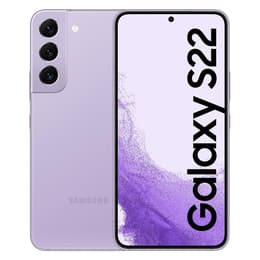
Galaxy S22 5G
Galaxy S22 5G
Starting at

Refurbished price:174.00

Versus €851.00 new

See options
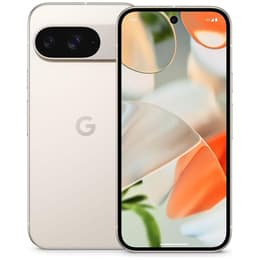
Google Pixel 9
Google Pixel 9
Starting at

Refurbished price:376.00

Versus €1,066.71 new

See options

Ratings

The Samsung Galaxy S22 5G, released in February 2022, and the Google Pixel 9, launched in August 2024, represent different generations of Android smartphones. While both devices offer a premium experience within their respective release windows, the Pixel 9 introduces advancements in processing power, camera capabilities, and software longevity. Both operate on the Android platform, but their approaches to hardware and software integration offer distinct user experiences.

Scores

Durability

When considering the practical lifespan of these devices, their release timelines and software support policies are key differentiators.

  • Release Timeline: The Galaxy S22 5G was released in February 2022, making it an older device compared to the Google Pixel 9, which launched in August 2024. This age difference directly impacts their remaining software support.
  • OS Support Duration: The Galaxy S22 5G received four major Android OS updates and five years of security patches, with its major OS updates concluding and security updates transitioning to a quarterly schedule, ending around 2027. In contrast, the Google Pixel 9 is guaranteed seven years of OS and security updates, extending its support until at least August 2031.
  • Expected Practical Lifespan: Users prioritizing long-term software support and access to the latest Android features will find the Pixel 9 offers a significantly extended practical lifespan. For those considering a quality-assured refurbished option, understanding these support timelines is crucial for future-proofing their device.

Year of Release

2022

2024

Compatible with latest Update

Yes

Yes

OS

Android

Android

Foldable

No

No

Performance

The performance of a smartphone is crucial for daily tasks, from app usage to demanding applications, and these two devices offer different levels of responsiveness.

  • Processor Capabilities: The Galaxy S22 5G features a powerful processor for its generation, capable of handling everyday applications and multitasking smoothly. However, some users noted that its efficiency could lead to increased battery usage under heavy loads. The Google Pixel 9, with its newer generation processor, delivers enhanced performance and improved power efficiency, particularly benefiting from optimizations for AI-driven features and smoother overall system responsiveness.
  • Multitasking and Responsiveness: Both devices are designed for fluid navigation and app switching. The Pixel 9's increased RAM and newer processor contribute to a more responsive experience, especially when running multiple demanding applications simultaneously or engaging in mobile gaming.
  • Battery Behavior: The Galaxy S22 5G is equipped with a 3700 mAh battery, and user feedback often highlighted that heavy usage could necessitate a midday recharge. The Pixel 9, featuring a larger 4700 mAh battery, shows significant improvements in battery longevity, with many users reporting it comfortably lasts a full day even with substantial use.

Memory (GB)

8 GB

12 GB

Screen quality

The visual experience is a primary interaction point, and both phones offer vibrant displays with distinct characteristics.

  • Display Technology and Clarity: Both the Galaxy S22 5G and the Google Pixel 9 feature OLED display technology, known for deep blacks and vibrant colors. The Galaxy S22 5G has a 6.1-inch Dynamic AMOLED 2X display with a resolution of 1080 x 2340 pixels. The Pixel 9 offers a slightly larger 6.3-inch Actua OLED display with a resolution of 1080 x 2424 pixels, providing clear and sharp visuals for typical viewing.
  • Brightness Levels: The Galaxy S22 5G offers high peak brightness, ensuring good visibility even in bright outdoor conditions. The Pixel 9 further enhances this with very high peak brightness levels, making content easily viewable under direct sunlight.
  • Refresh Rate and Smoothness: Both devices feature a 120Hz adaptive refresh rate, contributing to smooth scrolling and fluid animations, enhancing the overall user interface experience.

Resolution

1080 x 2340

1080 x 2424

Screen type

Dynamic AMOLED 2X

OLED

Audiovisual

For many users, the camera system is a deciding factor, and both Samsung and Google have strong reputations in mobile photography.

  • Camera System Capabilities: The Galaxy S22 5G features a versatile triple-camera setup, including a 50-megapixel wide lens, a 12-megapixel ultrawide lens, and a 10-megapixel telephoto lens with 3x optical zoom. This provides flexibility for various photographic scenarios, including distant subjects. The Google Pixel 9 comes with a dual-camera system, featuring a 50-megapixel main camera and a 48-megapixel ultrawide camera with autofocus and macro capabilities. The base Pixel 9 model does not include a dedicated telephoto lens.
  • Photography Performance: The Galaxy S22 5G is praised for its solid all-around photo and video quality, with particular strengths in low-light photography. The Pixel 9 leverages Google's computational photography, consistently delivering excellent image quality with natural colors, good contrast, and strong low-light performance through features like Night Sight.
  • Video Recording and Front Camera: Both devices offer high-quality video recording. For selfies and video calls, the Galaxy S22 5G has a 10-megapixel front camera, while the Pixel 9 features a 10.5-megapixel front camera with autofocus, providing clear and detailed self-portraits.

Main camera

50 megapixels

50 megapixels

Front camera

10 megapixels

10.5 megapixels

Miscellaneous

Beyond core features, several practical elements contribute to the overall user experience and device utility.

  • Connectivity Options: Both the Galaxy S22 5G and the Google Pixel 9 support 5G connectivity, ensuring access to the latest mobile network speeds. They also include modern Wi-Fi standards and Bluetooth for wireless connections to accessories and networks.
  • Port Types and Sensors: Both devices utilize a USB-C port for charging and data transfer. For security, the Galaxy S22 5G features an in-display fingerprint sensor. The Pixel 9 also incorporates an in-display fingerprint sensor, which users have found to be fast and accurate.
  • Dimensions and Build Materials: The Galaxy S22 5G is known for its compact size and premium build, featuring an Armour aluminum frame and IP68 dust/water resistance. The Pixel 9 maintains an IP68 rating for dust and water resistance and uses Gorilla Glass Victus 2 for display protection, contributing to its durability.

Weight

195 g

198 g

Screen size (in)

6.1

6.3

Network

5G

5G

SIM card

Physical SIM + eSIM

Physical SIM + eSIM

Carrier compatibility

Unlocked

Unlocked

Connector

USB-C + Jack 3.5mm

USB-C

The Samsung Galaxy S22 5G and the Google Pixel 9 cater to different priorities, largely due to their respective release dates and design philosophies. User feedback for the Galaxy S22 5G often praises its compact form factor, vibrant display, and versatile camera system, particularly the inclusion of a telephoto lens. However, a frequent criticism centered on its battery life, which for many heavy users required more frequent charging.

The Google Pixel 9, being a more recent release, garners praise for its significantly improved battery life, robust software support policy extending for seven years, and its exceptional computational photography capabilities, delivering consistent and high-quality images. Some users noted the absence of a dedicated telephoto lens on the base model as a point of consideration.

Users who prioritize a compact device with a dedicated optical zoom lens and are comfortable with an older software support cycle may find the Galaxy S22 5G suitable. Conversely, individuals seeking a device with a longer software update commitment, superior battery endurance, and advanced AI-driven camera features will likely find the Google Pixel 9 aligns better with their needs. Both devices offer a solid Android experience, and choosing between them often comes down to valuing a newer, longer-supported device with Google's software ecosystem versus a slightly older, more compact option with Samsung's hardware versatility. Exploring quality-assured refurbished options for either model can provide an eco-friendly alternative for consumers.

See all articles

Our recent comparisons