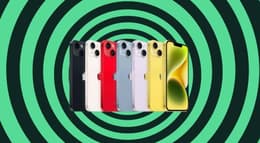
iPhone

Compare models
Differences at a glance
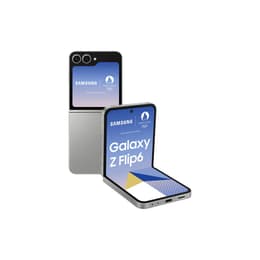
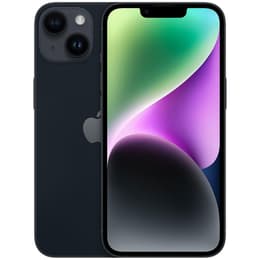
The Samsung Galaxy Z Flip6, released in July 2024, and the Apple iPhone 14, launched in September 2022, represent distinct approaches to smartphone design and user experience. While the Z Flip6 offers a unique foldable form factor running on Android, the iPhone 14 maintains a traditional slab design powered by iOS. These core differences influence everything from daily interaction to long-term usability, catering to varied user preferences.
Colour
Storage
When considering the long-term usability of these devices, several factors contribute to their expected lifespan, including software support and physical resilience.
Year of Release
Compatible with latest Update
OS
Foldable
The performance of a smartphone is crucial for a smooth user experience, encompassing everything from app responsiveness to multitasking capabilities and storage.
The display is a primary interface for smartphone interaction, and both devices offer distinct visual experiences tailored to their designs.
Resolution
Screen type
Camera capabilities are a significant consideration for many users, and both the Galaxy Z Flip6 and iPhone 14 offer robust systems for capturing photos and videos.
Main camera
Front camera
Beyond core performance and display, several practical elements contribute to the overall user experience of these smartphones.
Weight
Screen size (in)
Network
SIM card
Carrier compatibility
The choice between the Samsung Galaxy Z Flip6 and the iPhone 14 hinges on individual priorities, particularly regarding form factor, operating system preference, and specific feature sets. The Galaxy Z Flip6 is often praised for its innovative foldable design, offering a compact footprint when closed and a larger screen when unfolded, which many users find engaging and practical for portability. Its newer processor and extended software support commitment are also frequently highlighted as strong points. However, some user discussions on forums like Reddit indicate ongoing concerns about the long-term durability of foldable screens and the potential for a visible crease, despite Samsung's improvements in this area. Users transitioning from traditional smartphones might also need time to adjust to the unique interaction model of a foldable device.
Conversely, the iPhone 14 is consistently lauded for its reliable performance, robust software ecosystem, and strong camera capabilities, providing a dependable and intuitive user experience. Its traditional slab design, while lacking the novelty of a foldable, offers proven durability with its Ceramic Shield front. Common criticisms sometimes point to its 60 Hz display refresh rate, which is lower than many contemporary Android flagships, and some users have expressed concerns about battery life under heavy usage. For those deeply embedded in the Apple ecosystem, the iPhone 14 offers seamless integration with other Apple devices.
Users prioritizing a fresh, compact design with the latest Android innovations and a long software support window may find the Galaxy Z Flip6 well-suited to their needs. Its unique form factor and advanced AI features offer a distinct experience. On the other hand, individuals who value a consistently smooth performance, a familiar and robust operating system, and a proven track record of durability in a traditional smartphone design will likely lean towards the iPhone 14. Both devices are available as quality-assured refurbished options, providing an eco-friendly alternative for consumers seeking to make a sustainable choice while still enjoying premium technology.