
Compare models
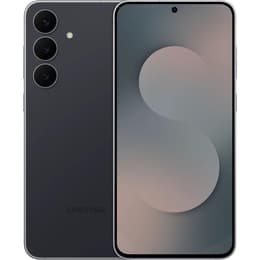
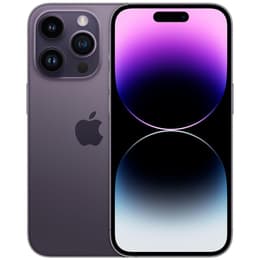
Galaxy S25 FE Vs iPhone 14 Pro
- 1-year minimum warranty
- Free delivery on all orders
- Free 30-day returns
Differences at a glance
The Samsung Galaxy S25 FE (2025) and the Apple iPhone 14 Pro (2022) represent distinct approaches to smartphone design, combining flagship-tier capabilities with differing operating systems and form factors. While the Samsung device runs on Android and offers a more recent hardware release year, the Apple device operates on iOS within a compact, stainless steel framework. Both handsets cater to users looking for robust daily performance, yet they diverge significantly in software ecosystems and physical dimensions.
Available Models
Colour
Storage
Scores
Durability
When evaluating structural longevity and software support, both devices offer distinct timelines based on their respective release years and manufacturer update policies.
- Software Support Duration: The Galaxy S25 FE benefits from a later release window, securing extended operating system updates well into the future, whereas the iPhone 14 Pro runs on a mature software schedule with a shorter remaining window of primary updates.
- Build Durability: Both models utilize robust front and rear glass protection paired with sturdy metal frames, scoring similarly in everyday resilience against accidental drops and wear.
- Expected Practical Lifespan: Thanks to current hardware configurations and steady security patch schedules, both smartphones are well-equipped to maintain reliable daily functionality for several years of consistent use.
Year of Release
2025
2022
Compatible with latest Update
Yes
Yes
OS
Android
iOS
Foldable
No
No
Performance
Handling daily workflows, memory management, and power efficiency varies between the two models depending on user habits and software optimization.
- System Responsiveness: Both devices handle rapid application launching, seamless multitasking, and demanding mobile games smoothly without noticeable stutter or thermal throttling during standard tasks.
- Battery Behavior: The Galaxy S25 FE incorporates a larger internal power cell capable of sustaining heavy full-day usage, while the iPhone 14 Pro relies on tight software-hardware efficiency to manage power consumption throughout a standard day.
- Storage Configurations: Both lineups offer flexible storage tiers starting at baseline capacities suitable for general media storage and scaling upward for users with extensive application libraries.
Screen quality
Visual output and display interactivity differ notably in size, panel technology, and maximum refresh responsiveness.
- Display Technology: Both models employ vibrant OLED panels that deliver deep black levels, high contrast ratios, and vivid color reproduction for media consumption.
- Brightness and Outdoor Clarity: Both screens feature high peak brightness capabilities, ensuring text and images remain legible under direct sunlight or bright ambient lighting.
- Refresh Rate and Smoothness: The Galaxy S25 FE features a high-refresh-rate display for fluid scrolling, while the iPhone 14 Pro utilizes adaptive refresh technology that scales dynamically based on on-screen content.
Audiovisual
Imaging hardware and media recording tools provide distinct photographic styles and video utility across both platforms.
- Camera System Capabilities: Both smartphones feature versatile multi-lens rear setups, including high-resolution primary sensors and auxiliary lenses for wide-angle and zoomed framing.
- Low-Light and Video Performance: The iPhone 14 Pro excels in stable cinematic video recording and detailed low-light stills, while the Galaxy S25 FE offers balanced color science and reliable exposure handling in varied lighting conditions.
- Audio and Media Output: Stereo speaker setups on both devices deliver clear dialogue and balanced sound output for hands-free calls and casual video watching.
Miscellaneous
Physical dimensions, connectivity standards, and daily ergonomic factors shape how each device fits into routine user activities.
- Handling and Dimensions: The iPhone 14 Pro presents a heavier, more compact footprint with stainless steel edges, whereas the Galaxy S25 FE offers a larger screen area within a lighter overall build.
- Connectivity and Ports: Both models support modern 5G cellular networks, high-speed Wi-Fi standards, and Bluetooth pairing, utilizing USB-C on the Samsung model and Lightning connectivity on the Apple device.
- Biometric Security: The Galaxy S25 FE utilizes an optical fingerprint scanner and facial recognition, while the iPhone 14 Pro relies exclusively on advanced 3avelength facial mapping sensors.
Weight
190 g
206 g
Screen size (in)
6.7
6.1
Network
5G
5G
SIM card
Physical SIM + eSIM
Physical SIM + eSIM
Carrier compatibility
Unlocked
Unlocked
Connector
USB-C
Lightning
What the community thinks
User discussions across community forums frequently highlight the Galaxy S25 FE for its expansive screen real estate, modern software release timeline, and reliable day-to-day stamina. Conversely, owners of the iPhone 14 Pro frequently praise its refined build quality, responsive facial recognition security, and reliable video capture capabilities. Common criticisms for the Samsung model sometimes point toward its larger physical footprint, while Apple users occasionally note the limitations of the legacy connector port and charging speeds compared to newer standards.
Users prioritizing a larger viewing workspace, modern Android software integration, and an extensive update lifecycle may prefer the Galaxy S25 FE. On the other hand, users favoring a compact one-handed form factor, iOS ecosystem continuity, and advanced video recording tools will find the iPhone 14 Pro well-suited to their needs. For consumers exploring sustainable options, choosing a quality-assured refurbished option provides an eco-friendly alternative that extends device lifecycles without compromising on core performance standards. Ultimately, the decision rests on personal preference regarding operating systems, physical dimensions, and daily workflow integration.