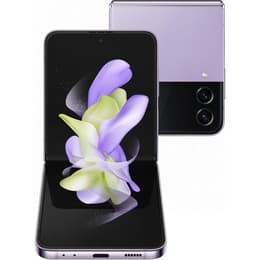
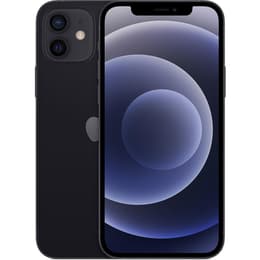


Galaxy Z Flip4 Vs iPhone 12

Galaxy Z Flip4
Galaxy Z Flip4
Starting at

Refurbished price:293.00

Versus €1,289.99 new

See options
iPhone 12
iPhone 12
Starting at

Refurbished price:174.00

Versus €829.00 new

See options

Ratings

The Samsung Galaxy Z Flip4, released in August 2022, and the Apple iPhone 12, launched in October 2020, represent distinct approaches to smartphone design and functionality. While the Z Flip4 offers a unique foldable form factor running on Android, the iPhone 12 provides a traditional slab design powered by iOS. These differences cater to varying user preferences, from those seeking a compact, innovative device to those who prefer a familiar and established smartphone experience.

Scores

Durability

The practical lifespan of a smartphone is influenced by its release timeline, software support, and physical resilience. The Galaxy Z Flip4, being a newer device, generally benefits from a longer expected period of software updates compared to the iPhone 12.

  • Software Longevity: The Galaxy Z Flip4 shipped with Android 12L and has received updates up to Android 16 with One UI 8, its last major version, by October 2025. The iPhone 12, released earlier, shipped with iOS 14 and is compatible with iOS 26, indicating a strong commitment to long-term software support from Apple.
  • Physical Durability: The iPhone 12 features a Ceramic Shield front cover and an IP68 rating for water and dust resistance, offering robust protection against everyday elements. The Galaxy Z Flip4, with its foldable design, has an IPX8 water resistance rating but lacks official dust resistance. Its folding screen technology, while innovative, may present different long-term durability considerations compared to a rigid display.
  • Repairability: iFixit gave the iPhone 12 a repairability score of 6 out of 10, noting that while many parts are replaceable, Apple's proprietary software can complicate independent repairs of components like cameras and screens. Information regarding the specific repairability score for the Galaxy Z Flip4 from iFixit was not readily available, but foldable devices generally present more complex repair challenges due to their intricate design.

Year of Release

2022

2020

Compatible with latest Update

Yes

Yes

OS

Android

iOS

Foldable

Yes

No

Performance

Both devices offer capable performance for daily tasks, but their underlying hardware and software optimizations lead to different user experiences, particularly concerning storage, battery, and overall responsiveness.

  • Storage Options: The Galaxy Z Flip4 is available with 128GB, 256GB, or 512GB of internal storage, providing ample space for apps and media. The iPhone 12 offers storage configurations of 64GB, 128GB, and 256GB. Neither device supports expandable storage via microSD cards.
  • Battery Behavior: The Galaxy Z Flip4 is equipped with a 3,700 mAh battery, which provides up to 19 hours of video streaming and up to 16 hours of Wi-Fi/LTE usage. The iPhone 12 has a 2,815 mAh battery, offering approximately 8 hours and 25 minutes of 5G usage or 10 hours and 23 minutes on 4G. The Z Flip4 generally offers improved battery life over its predecessor, while the iPhone 12's battery performance is considered adequate for most users.
  • System Responsiveness: The Galaxy Z Flip4 utilizes a current-generation octa-core processor, enabling smooth multitasking and efficient handling of demanding applications and games. The iPhone 12 features a powerful chip that delivers consistent and fluid performance across iOS, handling apps and games with ease. Users of both devices can expect a responsive experience for everyday use.

Memory (GB)

8 GB

4 GB

Screen quality

The display is a primary interaction point, and these two devices offer distinct visual experiences due to their differing technologies and form factors.

  • Display Technology: The Galaxy Z Flip4 features a 6.7-inch Foldable Dynamic AMOLED 2X main screen, offering vibrant colors and deep blacks, along with a 1.9-inch Super AMOLED cover screen for quick interactions. The iPhone 12 sports a 6.1-inch Super Retina XDR OLED display, also known for its rich colors and excellent contrast.
  • Resolution and Clarity: The Z Flip4's main display has a resolution of 1080 x 2640 pixels, resulting in sharp images and text. The iPhone 12's display offers a resolution of 2532 x 1170 pixels at 460 pixels per inch, providing high clarity.
  • Refresh Rate and Brightness: The Galaxy Z Flip4's main display boasts a 120Hz refresh rate, contributing to smoother scrolling and more fluid animations. The iPhone 12 has a standard 60Hz refresh rate. Both displays offer good brightness, with the iPhone 12 reaching 625 nits typical brightness and 1200 nits peak brightness for HDR content.

Resolution

1080 x 2640

1170 x 2532

Screen type

Foldable Dynamic AMOLED 2X

Super Retina XDR OLED

Audiovisual

Both smartphones are equipped with dual camera systems, designed to capture quality images and videos in various conditions, though with some differences in their capabilities and user experience.

  • Rear Camera System: The Galaxy Z Flip4 features a dual 12-megapixel rear camera setup, including a wide-angle lens with optical image stabilization and an ultra-wide lens. The iPhone 12 also has a dual 12-megapixel camera system, comprising a wide and an ultra-wide camera, with the wide camera featuring optical image stabilization.
  • Photography Performance: The Z Flip4's camera system offers good image quality in most lighting conditions, with improvements in low and mid-light performance compared to its predecessor. The iPhone 12 is known for its consistent and reliable camera performance, with good detail and color reproduction, and features like Night mode and Deep Fusion for enhanced low-light photography.
  • Video Recording: Both devices are capable of recording 4K video at various frame rates. The iPhone 12 supports HDR video recording with Dolby Vision up to 4K at 30 frames per second. The Z Flip4 also offers good video capture, with features like FlexCam allowing for unique shooting angles.
  • Selfie Camera: The Z Flip4 has a 10-megapixel front camera, and its foldable design allows users to utilize the higher-quality rear cameras for selfies, using the cover screen as a viewfinder. The iPhone 12 features a 12-megapixel TrueDepth front camera with Night mode support.

Main camera

12 megapixels

12 megapixels

Front camera

10 megapixels

12 megapixels

Miscellaneous

Beyond core features, several practical elements contribute to the overall user experience, including connectivity, physical design, and biometric security.

  • Connectivity: Both the Galaxy Z Flip4 and iPhone 12 support 5G connectivity, Wi-Fi 6, and Bluetooth. The Z Flip4 features Bluetooth 5.2, while the iPhone 12 uses Bluetooth 5.0.
  • Ports and Biometrics: The Z Flip4 uses a USB-C 2.0 port for charging and data transfer and includes a side-mounted capacitive fingerprint sensor for security. The iPhone 12 utilizes a Lightning port and relies on Face ID for biometric authentication. Neither device includes a traditional 3.5mm headphone jack.
  • Design and Handling: The Galaxy Z Flip4's defining feature is its foldable design, allowing it to become significantly more compact when closed (84.9 x 71.9 x 17.1mm) compared to when unfolded (165.2 x 71.9 x 6.9mm). It weighs 187 grams. This makes it highly portable. The iPhone 12 has a traditional slab design, measuring 146.7 x 71.5 x 7.4 mm and weighing 164 grams, offering a familiar and slim profile. The Z Flip4 uses Armor Aluminum and Gorilla Glass Victus+ for its exterior, while the iPhone 12 features an aluminum frame and Ceramic Shield on the front.

Weight

187 g

164 g

Screen size (in)

6.7

6.1

Network

5G

5G

SIM card

Physical SIM + eSIM

Physical SIM + eSIM

Carrier compatibility

Unlocked

Unlocked

Connector

USB-C

Lightning

The Samsung Galaxy Z Flip4 and iPhone 12 cater to different user priorities, each excelling in distinct areas. Users often praise the Z Flip4 for its innovative foldable design, which offers a compact form factor and a unique user experience, particularly with its versatile Flex Mode for photography and multitasking. Its improved battery life over previous generations and vibrant main display are also frequently highlighted. Some common criticisms include the visibility of the screen crease and the camera system, while capable, not always matching the performance of non-foldable flagships in all scenarios.

The iPhone 12 is consistently lauded for its reliable performance, the robust iOS ecosystem, and a camera system that delivers excellent and consistent results in various conditions. Its durable Ceramic Shield display and long-term software support are also strong points. Some users have noted the 60Hz refresh rate as a potential drawback compared to devices with higher refresh rates, and for heavy users, battery life might require more frequent charging.

Users prioritizing a highly portable, distinctive device with a large, fluid display and unique interaction possibilities may find the Galaxy Z Flip4 well-suited to their needs. Conversely, those who value a consistently strong performance, a highly polished software experience, and a proven camera system in a traditional form factor might lean towards the iPhone 12. Both devices offer compelling features, and considering a quality-assured refurbished option can be a sustainable choice for either model.

See all articles

Our recent comparisons







