
Galaxy Z Flip4 Vs iPhone 15

Galaxy Z Flip4
Galaxy Z Flip4
Starting at

Refurbished price:288.00

Versus €1,289.99 new

See options
iPhone 15
iPhone 15
Starting at

Refurbished price:394.00

Versus €879.00 new

See options

Ratings

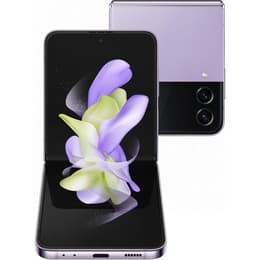
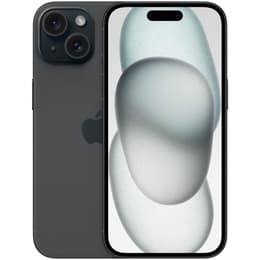
The Samsung Galaxy Z Flip4, released in August 2022, and the Apple iPhone 15, launched in September 2023, represent distinct approaches to modern smartphone design. The Galaxy Z Flip4 offers a unique foldable form factor running on Android with Samsung's One UI, emphasizing portability and a novel user experience. In contrast, the iPhone 15 provides a traditional, unibody design powered by Apple's iOS, focusing on a streamlined ecosystem and consistent performance.

Scores

Durability

When considering the long-term usability of these devices, their release timelines and software support policies are key factors.

  • Software Support: The Galaxy Z Flip4, launched in August 2022, typically receives four major Android OS updates and five years of security updates from Samsung, with support expected to end around 2027. The iPhone 15, released in September 2023, benefits from Apple's generally longer software support, often extending to five to seven years, meaning it will likely receive updates for a longer duration than the Z Flip4.
  • Repairability: The iPhone 15 has seen improvements in its repairability score, reaching 7 out of 10 in some assessments, though challenges with part pairing for independent repairs have been noted. The Galaxy Z Flip4, due to its complex foldable design, presents inherent challenges for repair, though specific repairability scores are less commonly cited.
  • Physical Durability: The iPhone 15 features a Ceramic Shield front and an aluminum design, along with an IP68 rating for water and dust resistance. The Galaxy Z Flip4 uses an Armor Aluminum frame and Gorilla Glass Victus+ for its cover screen and back, offering IPX8 water resistance but lacking official dust resistance, which is a consideration for its folding mechanism.

Year of Release

2022

2023

Compatible with latest Update

Yes

Yes

OS

Android

iOS

Foldable

Yes

No

Performance

Both smartphones deliver robust performance for daily tasks, though their underlying architectures and battery behaviors differ.

  • Processing Power: The Galaxy Z Flip4 is equipped with a powerful current-generation Android processor, enabling smooth handling of demanding applications and efficient multitasking. The iPhone 15 features a current-generation Apple processor, which provides responsive performance across various applications, including graphics-intensive games and complex editing tasks.
  • Multitasking and Storage: The Galaxy Z Flip4 typically comes with 8GB of RAM, supporting fluid transitions between multiple open applications. The iPhone 15 includes 6GB of RAM, which, combined with iOS optimization, also ensures a smooth multitasking experience. Both devices offer storage options of 128GB, 256GB, and 512GB, catering to different user needs for app and media storage.
  • Battery Performance: The Galaxy Z Flip4 houses a 3700 mAh battery, which generally provides sufficient power for a full day of moderate use, with improvements over its predecessor. The iPhone 15 has a 3349 mAh battery, offering up to 20 hours of video playback and 80 hours of audio playback. While some users find the iPhone 15's battery life to be substantial, heavy usage may necessitate daily charging for both devices.

Memory (GB)

8 GB

6 GB

Screen quality

The display experience on these two devices is a primary differentiator, largely due to the Z Flip4's unique foldable design.

  • Display Technology and Size: The Galaxy Z Flip4 features a 6.7-inch Foldable Dynamic AMOLED 2X main display and a 1.9-inch Super AMOLED cover display, offering vibrant colors and deep blacks. The iPhone 15 sports a 6.1-inch Super Retina XDR OLED display, known for its high contrast and color accuracy.
  • Resolution and Clarity: The Z Flip4's main screen has a resolution of 1080 x 2640 pixels, providing a clear viewing experience. The iPhone 15 offers a resolution of 2556 x 1179 pixels, resulting in sharp text and detailed images. Both displays offer high pixel densities suitable for everyday viewing.
  • Brightness and Smoothness: The iPhone 15 boasts a peak outdoor brightness of up to 2000 nits, making it highly visible in bright sunlight. The Galaxy Z Flip4's main display reaches a peak brightness of 1200 nits. The Z Flip4's main display features an adaptive refresh rate of up to 120Hz, providing smoother scrolling and more fluid animations, whereas the iPhone 15 has a standard 60Hz refresh rate.

Resolution

1080 x 2640

1179 x 2556

Screen type

Foldable Dynamic AMOLED 2X

Super Retina XDR OLED

Audiovisual

Both smartphones offer capable camera systems designed to capture high-quality images and videos, though with different configurations and strengths.

  • Rear Camera Systems: The Galaxy Z Flip4 features a dual-camera setup on the rear, consisting of a 12MP wide-angle lens and a 12MP ultra-wide-angle lens. The iPhone 15 comes with an advanced dual-camera system, including a 48MP main camera and a 12MP ultra-wide camera, with the main camera supporting 2x telephoto zoom capabilities.
  • Photography Performance: The Z Flip4 performs well in most lighting conditions, with improved low-light capabilities compared to its predecessor. The iPhone 15's improved 48MP sensor contributes to sharper photos and enhanced low-light performance. The Z Flip4 also allows for creative photography using its foldable form factor, such as Flex Mode for hands-free shots.
  • Video and Front Camera: For video recording, the Galaxy Z Flip4 can capture 4K video at up to 60 frames per second. The iPhone 15 supports 4K Dolby Vision video recording at various frame rates. Both devices feature capable front-facing cameras, with the Z Flip4 having a 10MP sensor and the iPhone 15 a 12MP sensor, suitable for selfies and video calls.

Main camera

12 megapixels

48 megapixels

Front camera

10 megapixels

12 megapixels

Miscellaneous

Beyond core features, several practical elements contribute to the overall user experience of these devices.

  • Connectivity and Ports: Both the Galaxy Z Flip4 and iPhone 15 support 5G connectivity, Wi-Fi 6, and NFC for contactless payments. The Z Flip4 uses Bluetooth 5.2, while the iPhone 15 features Bluetooth 5.3. Both devices have a USB-C port for charging and data transfer, marking a shift for the iPhone from its proprietary connector. Neither phone includes a traditional 3.5mm headphone jack.
  • Biometric Security: The Galaxy Z Flip4 incorporates a side-mounted fingerprint sensor for secure unlocking, alongside face recognition. The iPhone 15 relies on Face ID, its facial recognition system, for biometric authentication.
  • Design and Handling: The Galaxy Z Flip4's folded dimensions make it exceptionally compact and pocketable, while unfolded it offers a large screen. The iPhone 15 is a more traditional slab-style phone, lighter and thinner than the Z Flip4 when unfolded. The Z Flip4's build includes an Armor Aluminum frame and Gorilla Glass Victus+, while the iPhone 15 features an aluminum design with a Ceramic Shield front and color-infused glass back.

Weight

187 g

171 g

Screen size (in)

6.7

6.1

Network

5G

5G

SIM card

Physical SIM + eSIM

eSIM

Carrier compatibility

Unlocked

Unlocked

Connector

USB-C

USB-C (USB 2)

The Samsung Galaxy Z Flip4 and iPhone 15 cater to different user preferences, each excelling in distinct areas. Users often praise the Galaxy Z Flip4 for its innovative foldable design, which offers a compact form factor for portability and a unique secondary cover screen for quick interactions. Its performance is generally well-regarded for everyday use and multitasking. However, some users have noted concerns regarding its battery life for heavy usage and the visible crease on the main display. The absence of dust resistance and a telephoto camera are also frequent points of discussion among users.

The iPhone 15 is frequently lauded for its consistent and powerful performance, excellent camera capabilities, and the seamless integration within the Apple ecosystem. The introduction of the Dynamic Island and the shift to USB-C connectivity have been well-received. Criticisms often revolve around its 60Hz display, which some users find less fluid compared to higher refresh rate screens on other devices, and for some heavy users, the battery life may require daily charging.

Users prioritizing a highly portable device with a unique, interactive design and a fresh user experience may find the Galaxy Z Flip4 well-suited to their needs. Conversely, those who value consistent, powerful performance, a top-tier camera system, and a long-term software support commitment within a traditional smartphone form factor will likely lean towards the iPhone 15. Both devices offer compelling features, and choosing between them often comes down to whether a foldable design and Android ecosystem or a traditional form factor and iOS ecosystem align better with individual priorities. For those seeking an eco-friendly alternative, quality-assured refurbished options for both models are available, providing a sustainable choice.

See all articles

Our recent comparisons