

Galaxy Z Flip4 Vs iPhone 13

Galaxy Z Flip4
Galaxy Z Flip4
Starting at

Refurbished price:288.00

Versus €1,289.99 new

See options
iPhone 13
iPhone 13
Starting at

Refurbished price:238.00

Versus €769.00 new

See options

Ratings

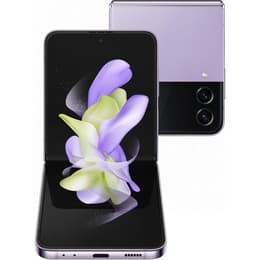
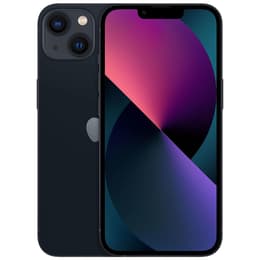
The Samsung Galaxy Z Flip4, released in August 2022, and the Apple iPhone 13, launched in September 2021, represent distinct approaches to smartphone design and user experience. While the Z Flip4 offers a unique foldable form factor running on Android, the iPhone 13 provides a traditional slab design within the iOS ecosystem. The primary differentiators lie in their physical design, operating systems, and the specific features each platform offers.

Scores

Durability

When considering the longevity of these devices, several factors come into play, including their release timelines, software support, and physical durability.

  • Release Timeline and Software Support: The iPhone 13, released in September 2021, typically receives iOS updates for approximately 5-6 years from its launch. The Galaxy Z Flip4, launched in August 2022, is eligible for four major Android OS updates and up to five years of security updates, meaning it will be supported up to Android 16 and security updates until 2027.
  • Durability Features: The iPhone 13 features Ceramic Shield protection on its front display and an IP68 rating for water and dust resistance. The Galaxy Z Flip4 boasts an IPX8 water resistance rating, meaning it can withstand submersion in water, and uses Ultra Thin Glass for its main foldable screen, along with Gorilla Glass Victus+ on its cover screen. The folding mechanism of the Z Flip4 introduces a different set of durability considerations compared to a rigid smartphone.
  • Expected Practical Lifespan: Both devices are built to last, but the iPhone 13's longer typical software support from Apple generally provides a longer period of receiving the latest OS features and security patches. The Z Flip4's foldable design, while innovative, may present different long-term wear characteristics compared to a traditional smartphone.

Year of Release

2022

2021

Compatible with latest Update

Yes

Yes

OS

Android

iOS

Foldable

Yes

No

Performance

Both the Galaxy Z Flip4 and the iPhone 13 deliver robust performance for everyday tasks, though their underlying architectures and real-world usage impacts differ.

  • Processing Capabilities: The Galaxy Z Flip4 is powered by a current-generation processor, enabling smooth handling of demanding applications and multitasking. The iPhone 13 features Apple's A15 Bionic chip, which provides efficient and responsive performance across iOS applications and gaming. Both devices are capable of running graphically intensive games and complex applications without significant slowdowns.
  • Multitasking and Responsiveness: The Z Flip4 typically comes with 8GB of RAM, which supports fluid multitasking across numerous open applications. The iPhone 13, with 4GB of RAM, manages multitasking effectively within the iOS environment, which is optimized for its hardware. Users will find both devices responsive for daily use, with quick app loading times and smooth transitions.
  • Battery Behavior: The Galaxy Z Flip4 is equipped with a 3700 mAh battery, offering improved battery life compared to its predecessor, capable of lasting through a full day for many users. The iPhone 13 has a 3240 mAh battery, and users often report it provides reliable all-day power, with significant improvements over previous iPhone models. Actual battery life will vary based on usage patterns and network conditions.

Memory (GB)

8 GB

4 GB

Screen quality

The display technologies and user experiences offered by the Galaxy Z Flip4 and iPhone 13 present distinct characteristics.

  • Display Technology and Size: The Galaxy Z Flip4 features a 6.7-inch Foldable Dynamic AMOLED 2X main display with a 120Hz refresh rate, providing smooth scrolling and vibrant colors. It also includes a 1.9-inch Super AMOLED cover screen for quick notifications and widgets. The iPhone 13 has a 6.1-inch Super Retina XDR OLED display, known for its deep blacks, high contrast, and accurate color reproduction, with a standard 60Hz refresh rate.
  • Resolution and Brightness: The Z Flip4's main screen offers a resolution of 1080 x 2640 pixels, resulting in a clear viewing experience. Its peak brightness can reach 1200 nits, ensuring good visibility outdoors. The iPhone 13's display has a resolution of 1170 x 2532 pixels, providing sharp images and text. It achieves a typical maximum brightness of 800 nits and a peak brightness of 1200 nits for HDR content.
  • Viewing Experience: The Z Flip4's foldable design allows for a compact form factor when closed and a larger screen when unfolded, offering unique viewing angles with its Flex Mode. The iPhone 13 provides a consistent, high-quality viewing experience on its rigid, flat display, which is well-suited for media consumption and daily tasks.

Resolution

1080 x 2640

1170 x 2532

Screen type

Foldable Dynamic AMOLED 2X

Super Retina XDR OLED

Audiovisual

Both devices offer capable camera systems designed for capturing everyday moments, with some differences in their approach and features.

  • Camera System Capabilities: The Galaxy Z Flip4 features a dual-camera setup on the rear, consisting of a 12MP wide-angle lens and a 12MP ultra-wide-angle lens. It also has a 10MP front-facing camera. The iPhone 13 also comes with a dual 12MP rear camera system, including a wide and an ultra-wide lens, and a 12MP front camera.
  • Photography Performance: The Z Flip4's main camera has an improved sensor for better low-light performance and detail capture compared to its predecessor. Its Flex Mode allows for unique hands-free photography angles. The iPhone 13 is recognized for its consistent image processing, producing natural-looking photos with good detail and dynamic range in various lighting conditions. It also features Sensor-shift optical image stabilization for steadier shots.
  • Video Recording and Audio: Both phones are capable of recording 4K video at 60 frames per second. The iPhone 13 includes Cinematic Mode, which adds a shallow depth of field and automatic focus transitions to videos. The Z Flip4 offers features like Super Slow-Mo and Hyperlapse. For audio, the Z Flip4 supports surround sound with Dolby Atmos technology.

Main camera

12 megapixels

12 megapixels

Front camera

10 megapixels

12 megapixels

Miscellaneous

Beyond their core functionalities, the Galaxy Z Flip4 and iPhone 13 offer distinct practical elements that influence user interaction and daily convenience.

  • Connectivity and Ports: Both devices support 5G connectivity for fast mobile data speeds. They also feature Wi-Fi 6 and Bluetooth 5.x for wireless connections. The Galaxy Z Flip4 uses a USB-C 2.0 port for charging and data transfer. The iPhone 13 utilizes Apple's proprietary Lightning port.
  • Biometrics and Sensors: The Galaxy Z Flip4 incorporates a side-mounted fingerprint sensor for secure unlocking. The iPhone 13 relies on Face ID, Apple's facial recognition system, for biometric authentication. Both include essential sensors like accelerometers, gyroscopes, and proximity sensors.
  • Design and Handling: The Z Flip4's defining feature is its foldable clamshell design, allowing it to become significantly more compact when closed, measuring 84.9 mm in height when folded. When unfolded, it measures 165.2 mm in height and weighs 187 grams. The iPhone 13 has a traditional slab design, measuring 146.7 mm in height and weighing 174 grams, offering a familiar and solid feel. The Z Flip4's build materials include an aluminum frame and glass panels, while the iPhone 13 features an aluminum frame and Ceramic Shield front cover.

Weight

187 g

173 g

Screen size (in)

6.7

6.1

Network

5G

5G

SIM card

Physical SIM + eSIM

Physical SIM + eSIM

Carrier compatibility

Unlocked

Unlocked

Connector

USB-C

Lightning

The choice between the Galaxy Z Flip4 and the iPhone 13 often comes down to a user's preference for form factor, operating system, and specific feature priorities. Users frequently praise the Z Flip4 for its innovative and compact foldable design, which enhances portability and offers unique usage modes like Flex Mode. The secondary cover screen is also noted for its convenience in displaying quick information. Some users, however, have expressed concerns regarding the visibility of the screen crease and, for some, the battery life, although improvements were made over its predecessor.

The iPhone 13 is consistently lauded for its reliable performance, excellent camera system, and the long-term software support provided by Apple. Its robust build with Ceramic Shield and IP68 rating also contributes to its appeal. Common criticisms sometimes point to its 60Hz display refresh rate, which some users find less fluid compared to higher refresh rate screens on other devices, and the presence of a display notch.

Users prioritizing a compact, stylish device with a unique folding mechanism and the flexibility of the Android ecosystem may find the Galaxy Z Flip4 well-suited to their needs. This could include individuals who value portability and enjoy innovative technology. Conversely, users who prefer a traditional, highly polished smartphone experience with a strong emphasis on consistent performance, long-term software updates, and a robust camera for everyday photography will likely lean towards the iPhone 13. Both devices offer quality-assured refurbished options, providing an eco-friendly alternative for consumers looking to make informed and sustainable choices.


See all articles

Our recent comparisons