
Compare models

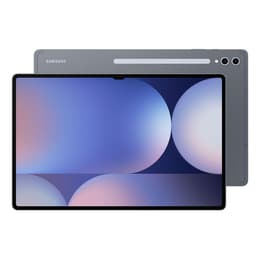
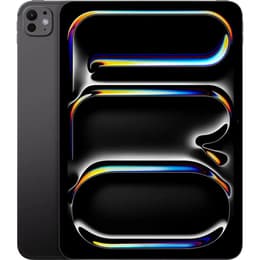
Galaxy Tab S10 Ultra (14.6", 2024) Vs iPad Pro (2025, M5 series)

  • 1-year minimum warranty
  • Free delivery on all orders
  • Free 30-day returns
Galaxy Tab S10 Ultra (14.6", 2024)
Starting at

Refurbished price:€762.00

Versus €1,454.07 new

See options
iPad Pro (2025, M5 series)
Starting at

Refurbished price:€904.00

Versus €1,319.00 new

See options

Differences at a glance

The Samsung Galaxy Tab S10 Ultra (2024) and the iPad Pro M5 series (2025) represent high-end iterations in the premium tablet market, each running on distinct operating systems that shape their daily user experience. While both focus on delivering expansive workspace solutions and high-end processing power, they differ significantly in display dimensions, software ecosystems, and physical formatting.

Available Models

Colour

Storage

Scores

Durability

When evaluating the long-term viability of these devices, differences in release timelines and software update commitments play a central role in shaping their expected practical lifespans.

  • Release timeline and support: The Galaxy Tab S10 Ultra arrived in late 2024 backed by a multi-year software commitment, whereas the iPad Pro debuted in late 2025 running on iPadOS, benefiting from Apple's extended hardware-software integration cycle.
  • Software longevity: Both platforms receive routine security patches and system updates for several years, though users exploring a quality-assured refurbished option can extend device lifespans sustainably while maintaining long-term software access.
  • Repairability and build durability: Each tablet utilizes rigid aluminum framing and reinforced glass protection, though their slim profiles mean professional repair services are typically required for internal component servicing.

Year of Release

2024

2025

Compatible with latest Update

Yes

Yes

OS

Android

iPadOS

Performance

Performance capabilities vary based on internal hardware architectures, memory configurations, and how efficiently each operating system handles intensive workloads.

  • System responsiveness: Both devices handle rapid application switching, split-screen multitasking, and demanding creative software smoothly, though the iPad Pro features higher memory bandwidth variants.
  • Storage and memory configurations: The Galaxy Tab S10 Ultra provides flexible expandable storage via microSD alongside generous base memory, whereas the iPad Pro relies on fixed onboard storage configurations paired with high-performance unified memory.
  • Battery behavior: The large-capacity battery inside the Samsung model supports extended media sessions, while the iPad Pro optimizes power draw efficiently during active workflows to maintain consistent day-to-day operation.

Screen quality

Display characteristics define the visual experience, offering distinct approaches to size, panel technology, and surface treatments.

  • Display technology: The Galaxy Tab S10 Ultra features a vast 14.6-inch Dynamic AMOLED panel with deep contrast levels, while the iPad Pro utilizes a tandem OLED Ultra Retina XDR display known for high peak brightness.
  • Outdoor visibility: Both screens integrate advanced anti-reflective coatings to minimize glare under bright ambient lighting conditions.
  • Refresh rate and smoothness: High refresh rate support ensures fluid scrolling, responsive pen input, and seamless animation rendering across both interfaces.

Resolution

1848 x 2960

2420 x 1668

Screen type

Dynamic AMOLED 2X

Ultra Retina XDR display

Audiovisual

Multimedia and capture features cater differently to everyday communication needs, casual photography, and audio playback.

  • Camera systems: Both models house capable front-facing ultra-wide lenses optimized for video calls, alongside multi-lens rear camera arrays suitable for scanning documents and casual snapshots.
  • Microphone and audio output: Integrated multi-speaker arrays deliver rich spatial audio for media consumption, supported by clear multi-microphone arrangements for virtual meetings.
  • Video recording: High-resolution recording capabilities allow users to capture sharp video content and process clips directly on the device.

Miscellaneous

Practical utility features, connectivity standards, and physical dimensions shape how these tablets integrate into mobile workflows.

  • Connectivity options: Both models offer advanced wireless standards including high-speed Wi-Fi and optional cellular configurations for on-the-go connectivity.
  • Port types: The iPad Pro utilizes a versatile Thunderbolt / USB 4 port, while the Galaxy Tab S10 Ultra employs a standard USB-C interface alongside support for expandable memory cards.
  • Form factor: The Samsung model offers an exceptionally large canvas within a very slim profile, whereas the iPad Pro balances screen estate with a lighter, more compact footprint.

Weight

576 g

444 g

Screen size (in)

14.6

11

Network

Wi-Fi

Wi-Fi

Carrier compatibility

Unlocked

Without SIM Port

What the community thinks

User discussions across online communities frequently highlight the Galaxy Tab S10 Ultra for its expansive screen real estate, included stylus, and expandable storage flexibility, making it a favorite for split-screen productivity and media consumption. At the same time, users often praise the iPad Pro for its robust processing architecture, sleek portability, and deep integration within the broader tablet application ecosystem. Some criticisms point to the Samsung's large footprint being less comfortable for handheld reading, while iPad Pro users occasionally note limitations tied strictly to file management within iPadOS.

Users prioritizing a massive workspace, flexible file storage, and an included precision stylus will find the Galaxy Tab S10 Ultra well-suited to their workflow. Conversely, users prioritizing maximum raw processing capability, a compact physical profile, and long-term ecosystem consistency may lean toward the iPad Pro. Choosing a sustainable, quality-assured refurbished option from Back Market allows consumers to explore these high-end devices reliably while supporting eco-friendly technology choices. Ultimately, the right choice depends entirely on individual preferences regarding screen size, software environment, and daily portability needs.


Our recent comparisons







