


Compare models

Galaxy Tab S10 Ultra (14.6", 2024) Vs iPad Air 7 (2025, M3 series)

  • 1-year minimum warranty
  • Free delivery on all orders
  • Free 30-day returns
Galaxy Tab S10 Ultra (14.6", 2024)
Starting at

Refurbished price:750.00

Versus €1,454.07 new

See options
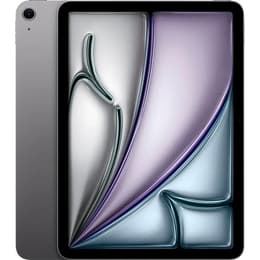
iPad Air 7 (2025, M3 series)
Starting at

Refurbished price:589.00

Versus €729.00 new

See options

Differences at a glance

The Samsung Galaxy Tab S10 Ultra (2024) and the Apple iPad Air 7 (2025) represent two distinct approaches to high-end tablet computing, combining expansive screen footprints or compact efficiency with powerful internal hardware. While the Galaxy Tab S10 Ultra focuses on a massive canvas and Android flexibility, the iPad Air 7 relies on custom desktop-class silicon and the streamlined iPadOS ecosystem. These devices serve different user workflows through contrasting operating systems, hardware dimensions, and accessory integrations.

Available Models

Colour

Storage (GB)

Scores

Durability

Both tablets are built to sustain long-term multi-year daily usage, though they approach software longevity and durability through different manufacturer lifecycles.

  • Software Support: Samsung provides extended operating system upgrades and security patches for several years, while Apple maintains long-standing iPadOS support cycles characteristic of its custom processor architecture.
  • Repairability: Both models feature sealed aluminum chassis that require professional servicing for internal component replacements, emphasizing the value of opting for a quality-assured refurbished option to extend device life cycles sustainably.
  • Expected Lifespan: Robust build materials and high-tier processing capacity ensure that both tablets maintain reliable performance across years of productivity, media consumption, and travel use.

Year of Release

2024

2025

Compatible with latest Update

No

Yes

OS

Android

iPadOS

Performance

Handling demanding tasks, multitasking, and everyday navigation is exceptionally smooth on both models, driven by high-performance internal architectures.

  • Processor Capabilities: Both tablets load demanding apps swiftly, manage intensive multitasking seamlessly, and render complex graphics smoothly without noticeable stutter during extended use.
  • Memory and Storage: Generous random access memory allocations allow multiple applications to remain active in the background, paired with multiple solid-state storage configurations to accommodate large files.
  • Battery Behavior: Battery capacities support full-day workflows under standard conditions, though heavy gaming or continuous high-brightness media playback will require more frequent recharging.

Screen quality

Visual output differs notably in scale and panel technology, directly influencing media viewing and creative workflows.

  • Display Technology: The Galaxy Tab S10 Ultra utilizes a large AMOLED panel delivering deep contrast and vivid colors, whereas the iPad Air 7 employs a refined Liquid Retina display known for accurate color reproduction and crisp clarity.
  • Brightness and Outdoors: High peak brightness levels on both screens ensure legibility under bright ambient lighting conditions or outdoor environments.
  • Refresh Rate: Smooth scrolling and fluid pen tracking are standard across both displays, enhancing responsiveness during writing, drawing, and UI navigation.

Resolution

1848 x 2960

2360 x 1640

Screen type

Dynamic AMOLED 2X

Liquid Retina display

Pixel density

240ppp

264ppp

Audiovisual

Optics and audio setups are tailored for video conferencing, casual documentation, and multimedia consumption.

  • Camera Systems: Front-facing ultra-wide lenses with automated framing capabilities keep users centered during video calls, complemented by capable rear camera setups for scanning documents and quick snapshots.
  • Audio Output: Multi-speaker arrays on both devices deliver balanced sound output with clear vocal separation for movies, virtual meetings, and music playback.
  • Microphone Performance: Integrated multi-microphone arrays capture clean audio input, reducing background interference during voice notes and online calls.

Miscellaneous

Physical dimensions and connectivity standards define how each tablet integrates into mobile and desktop workspaces.

  • Connectivity: Modern wireless standards including fast Wi-Fi protocols and optional cellular data connectivity ensure reliable internet access away from routers.
  • Ports and Biometrics: Universal USB-C ports handle charging and data transfer, while biometric authentication relies on secure facial recognition or integrated fingerprint sensors.
  • Dimensions and Handling: The Galaxy Tab S10 Ultra offers an exceptionally large workspace suited for split-screen multitasking, while the iPad Air 7 provides lighter, more compact handling options across dual screen sizes.

Weight

576 g

460 g

Screen size (in)

14.6

11

Network

Wi-Fi

Wi-Fi

Carrier compatibility

Unlocked

Without SIM Port

What the community thinks

User feedback highlights the Galaxy Tab S10 Ultra for its sprawling display estate, bundled stylus utility, and flexible multitasking windows, though some users note its large footprint can feel cumbersome during handheld reading. Conversely, the iPad Air 7 receives praise for its responsive operating system, powerful custom silicon efficiency, and comfortable portability, while critics occasionally point to storage upgrade costs as a limitation.

Users prioritizing an expansive canvas for split-screen productivity and media consumption may prefer the Samsung Galaxy Tab S10 Ultra, while users seeking a balanced, highly portable tablet with streamlined software integration will lean toward the Apple iPad Air 7. Evaluating personal workflow habits helps clarify which platform aligns best with daily requirements. Choosing an eco-friendly alternative like a certified refurbished model provides a sustainable path to acquiring either device without compromising on quality.


Our recent comparisons