

Compare models
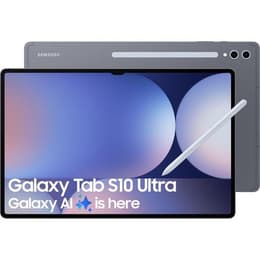
Galaxy Tab S10 Ultra (14.6", 2024) Vs iPad 11 (2025, A16 series)
- 1-year minimum warranty
- Free delivery on all orders
- Free 30-day returns
Differences at a glance
The Samsung Galaxy Tab S10 Ultra (2024) and the Apple iPad 11 (2025) represent two distinct approaches to large-format and portable tablet computing. While the Galaxy Tab S10 Ultra offers an expansive workspace powered by the Android operating system, the iPad 11 relies on Apple's streamlined iPadOS ecosystem. These devices cater to different preferences in screen scale, software environment, and daily workflow integration.
Available Models
Colour
Storage (GB)
Scores
Durability
Both tablets provide reliable long-term usability backed by structured software support cycles, though they differ in release timelines and expected hardware longevity.
- Software support timelines: Both manufacturers typically supply multi-year operating system upgrades and security patches, helping maintain software compatibility over several years of regular ownership.
- Repairability and build integrity: Each device utilizes sturdy aluminum chassis designs that resist daily wear, while professional repair networks offer standard component replacements when necessary.
- Expected practical lifespan: Built with durable materials and efficient internal architecture, both models are designed to sustain several years of daily productivity, media consumption, and browsing tasks.
Year of Release
2024
2025
Compatible with latest Update
No
Yes
OS
Android
iPadOS
Performance
System responsiveness and storage configurations vary to accommodate different multitasking habits, application demands, and local file storage requirements.
- Storage capacity choices: The Galaxy Tab S10 Ultra provides higher baseline storage tiers alongside expandable memory options, whereas the iPad 11 offers fixed internal storage tiers starting from standard capacities.
- Everyday responsiveness and multitasking: Both models handle web browsing, document editing, and media streaming smoothly, running demanding applications and split-screen workflows without noticeable stutter.
- Battery behavior: The larger physical footprint of the Samsung tablet houses a high-capacity battery suited for extensive daily workflows, while the iPad balances efficiency to sustain standard daily use across typical work or study sessions.
Screen quality
Display technologies differ significantly in panel type and physical scale, directly shaping the visual experience for media viewing and creative tasks.
- Display panel technology: The Galaxy Tab S10 Ultra features an expansive organic light-emitting diode screen delivering deep contrast levels, whereas the iPad 11 utilizes a liquid crystal display panel known for consistent color accuracy and brightness.
- Outdoor visibility: Both screens reach adequate peak brightness levels to remain legible under direct ambient lighting or outdoor environments.
- Viewing workspace: The Samsung model provides a massive canvas well-suited for side-by-side app windows, while the iPad 11 offers a more compact, portable form factor for handheld reading and note-taking.
Resolution
1848 x 2960
2360 x 1640
Screen type
Dynamic AMOLED 2X
Liquid Retina display
Pixel density
240ppp
264ppp
Audiovisual
Optics and audio setups are tailored for remote communication, casual media capture, and content consumption.
- Camera configurations: The Galaxy Tab S10 Ultra incorporates a multi-lens rear and front camera array, while the iPad 11 relies on a streamlined single rear camera setup paired with a wide-angle front sensor suited for video calls.
- Video recording and calls: Both devices support clear high-definition video conferencing with integrated microphone arrays that isolate voice input effectively during online meetings.
- Audio output: Built-in stereo speaker arrangements on both tablets deliver balanced sound output for casual video viewing and listening without external accessories.
Miscellaneous
Physical dimensions, accessory compatibility, and connectivity options influence how each tablet integrates into travel or stationary routines.
- Connectivity standards: Both models support modern wireless local area network standards and offer optional cellular connectivity configurations for internet access on the go.
- Physical dimensions and weight: The iPad 11 presents a lightweight, easily portable structure, whereas the larger Samsung model prioritizes maximum screen estate over one-handed portability.
- Port types and accessories: Both utilize universal charging ports and support proprietary or universal stylus accessories for writing and drawing tasks.
Weight
576 g
477 g
Screen size (in)
14.6
11
Network
Wi-Fi
Wi-Fi
Carrier compatibility
Unlocked
Without SIM Port
What the community thinks
Users evaluating these tablets often highlight the Galaxy Tab S10 Ultra for its massive display workspace and included stylus, making it popular among digital artists and multitasking professionals who appreciate split-screen layouts. Conversely, frequent praise for the iPad 11 centers on its straightforward operating system interface and portable dimensions, which appeal to students and travelers seeking a reliable device for reading, streaming, and daily organization. Common discussions note that while the Samsung model can feel cumbersome for casual handheld reading due to its size, the iPad 11's smaller screen provides less canvas area for complex multi-window workflows.
Users prioritizing an expansive screen and file flexibility may prefer the Galaxy Tab S10 Ultra, while users prioritizing portability and a streamlined ecosystem will lean toward the iPad 11. For those exploring sustainable purchasing routes, opting for a quality-assured refurbished option serves as an eco-friendly alternative that delivers identical daily functionality while reducing electronic waste. Reviewing these practical differences helps ensure your choice aligns naturally with your daily routine.