

Compare models
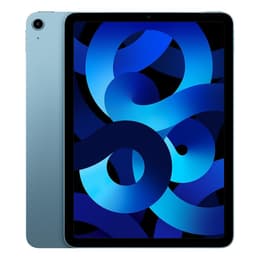
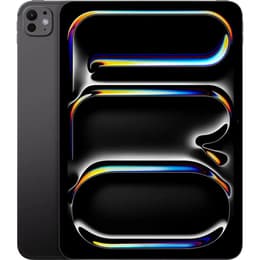
iPad Air 5 (2022, M1 series) Vs iPad Pro (2025, M5 series)
- 1-year minimum warranty
- Free delivery on all orders
- Free 30-day returns
Differences at a glance
The iPad Air 5 (2022) and the iPad Pro (2025) represent two different tiers of Apple's tablet ecosystem, bridging a multi-year gap in development. While both devices run on iPadOS and provide access to the same core app library, they cater to distinct capability levels. The primary differentiators lie in their processing generation, screen technologies, and overall workflow capacity, separating a streamlined everyday device from an advanced powerhouse.
Available Models
Colour
Storage (GB)
Scores
Durability
When examining longevity and physical endurance, both tablets offer distinct update trajectories and build characteristics based on their respective release years.
- Software Support: The iPad Pro benefits from a later release year, ensuring an extended window of future operating system updates compared to the earlier iPad Air model.
- Repairability and Build: Both models feature rigid aluminum enclosures designed to withstand daily transport, with standard component modularity supported by authorized service channels.
- Expected Lifespan: Practical longevity is high for both units, though users requiring the absolute maximum years of peak software compatibility will find an advantage in the newer architecture.
Year of Release
2022
2025
Compatible with latest Update
Yes
Yes
OS
iPadOS
iPadOS
Performance
Processing capability and multitasking efficiency differ notably between the two generations, impacting how heavily loaded workflows are handled.
- Multitasking and Responsiveness: The iPad Air handles daily web browsing, document editing, and casual gaming smoothly, while the iPad Pro manages intensive multi-app windowing and complex rendering tasks with greater thermal headroom.
- Storage Configurations: The iPad Air is available in streamlined storage tiers suited for general document storage, whereas the iPad Pro offers expansive capacity options and higher baseline memory configurations for large media libraries.
- System Speed: Both devices open applications rapidly, but the newer processor architecture in the iPad Pro allows for faster file transfers and quicker export times in professional creative software.
Processor
Apple M1
Apple M5
Screen quality
Visual output and display responsiveness vary significantly, affecting media consumption and detailed visual tasks.
- Display Panel Technology: The iPad Air features a standard liquid crystal screen with balanced color accuracy, while the iPad Pro utilizes advanced panel technology capable of deeper contrast ratios and significantly higher peak brightness.
- Motion Smoothness: The iPad Pro incorporates high-refresh-rate technology for fluid scrolling and responsive stylus input, whereas the iPad Air uses a standard refresh rate suitable for general viewing.
- Viewing Environment: Users working outdoors or in brightly lit rooms will notice that the elevated brightness levels on the iPad Pro maintain better screen legibility.
Resolution
2360 x 1640
2420 x 1668
True Tone
Yes
Yes
Pro-Motion
No
Yes
Screen type
Liquid Retina display
Ultra Retina XDR display
Sound quality
Speakers
Stereo speakers
Four speaker audio
Audiovisual
Imaging and audio hardware differ to support everything from casual video calls to professional multimedia capture.
- Camera System Versatility: The iPad Air includes dependable front and rear lenses adequate for scanning documents and casual photography, while the iPad Pro adds expanded lens configurations and depth-sensing hardware for augmented reality tasks.
- Audio Output: The iPad Air utilizes a balanced stereo speaker layout, whereas the iPad Pro features a multi-speaker array that delivers fuller sound output for media playback.
- Recording Quality: Both units handle video conferencing clearly with wide-angle framing tools, though the iPad Pro captures sharper detail in challenging lighting conditions.
Miscellaneous
Physical dimensions and connectivity standards shape how each tablet integrates into daily routines and travel setups.
- Connectivity Standards: Both models support fast wireless standards and optional cellular connectivity, with the newer iPad Pro adopting updated radio components for stable network routing.
- Physical Dimensions: The iPad Air provides a lighter, highly portable form factor, while the iPad Pro is available in larger screen sizes that offer expansive workspace at the expense of added weight.
- Security and Ports: The iPad Air integrates fingerprint recognition into the top power button, whereas the iPad Pro relies on facial authentication alongside high-speed data transfer ports.
Weight
461 g
444 g
Screen size (in)
10.9
11
Network
Wi-Fi
Wi-Fi
Carrier compatibility
Without SIM Port
Without SIM Port
Face ID
No
Yes
Touch ID
Yes
No
Connector
USB Type-C
USB Type-C
What the community thinks
Choosing between these two tablets depends heavily on individual daily tasks and workflow intensity. Users prioritizing a lightweight, portable device for reading, note-taking, and streaming will find the iPad Air 5 well-suited to their needs. Conversely, users requiring expansive screen real estate, fluid visual rendering, and heavy multitasking capacity may lean toward the iPad Pro (2025). Exploring a quality-assured refurbished option through Back Market can also provide an eco-friendly path to acquiring either device while supporting sustainable technology habits. Ultimately, evaluating personal software demands and portability preferences will clarify which model aligns best with your daily routine.