

Compare models

Galaxy Tab S10 Ultra (14.6", 2024) Vs iPad 9 (2021, A13 series)

  • 1-year minimum warranty
  • Free delivery on all orders
  • Free 30-day returns
Galaxy Tab S10 Ultra (14.6", 2024)
Starting at

Refurbished price:750.00

Versus €1,454.07 new

See options
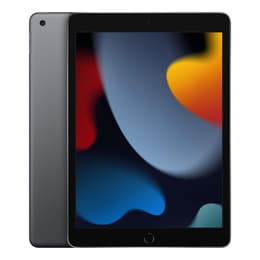
iPad 9 (2021, A13 series)
Starting at

Refurbished price:199.99

Versus €429.00 new

See options

Differences at a glance

The Samsung Galaxy Tab S10 Ultra (2024) and the Apple iPad 9 (2021) represent two distinct approaches to large-format portable computing, differing widely in scale, software ecosystems, and release timelines. While the Galaxy Tab S10 Ultra offers an expansive canvas and modern multitasking tools on Android, the iPad 9 provides a compact, straightforward tablet experience running iPadOS. Choosing between them depends largely on desired screen dimensions and operating system preferences.

Available Models

Colour

Storage (GB)

Scores

Durability

Both tablets offer distinct life expectancy profiles shaped by their release years and manufacturer support timelines, though their hardware durability and repairability characteristics vary significantly in day-to-day use.

  • Release timeline and support: The Galaxy Tab S10 Ultra benefits from a 2024 release window, securing long-term Android and security updates from Samsung. The iPad 9 debuted in 2021, meaning its remaining window of major operating system updates is shorter due to its earlier launch date.
  • Build and repairability: The Galaxy Tab S10 Ultra incorporates robust armor aluminum and dust resistance ratings suited for modern travel environments. The iPad 9 relies on a classic aluminum chassis design with traditional service pathways, though both models require professional assistance for component repairs.
  • Expected lifespan: Users can anticipate prolonged software relevance from the newer Samsung model, while the iPad 9 remains a reliable tool for basic media consumption and browsing as it ages.

Year of Release

2024

2021

Compatible with latest Update

No

Yes

OS

Android

iPadOS

Performance

Performance capabilities diverge heavily based on internal hardware generations, memory capacities, and how each device manages demanding professional software or everyday multitasking.

  • System responsiveness: The Galaxy Tab S10 Ultra handles heavy multitasking, split-screen workflows, and demanding applications smoothly thanks to its high-tier processor and generous random access memory configurations. The iPad 9 manages everyday tasks like web browsing, video streaming, and routine document editing reliably with its streamlined processor architecture.
  • Storage and memory: Samsung provides ample base storage alongside expandable options via memory cards, whereas the iPad 9 relies on fixed internal storage tiers without expansion slots.
  • Battery behavior: The larger footprint of the Samsung device houses a substantial battery capacity that sustains intensive multi-window use, while the iPad 9 maintains steady battery endurance suited for standard daily routines.

Screen quality

Display characteristics form one of the most substantial differences between these two devices, impacting everything from media immersion to portability.

  • Display technology: The Galaxy Tab S10 Ultra features an expansive organic light-emitting diode panel that delivers deep contrast levels, rich colors, and high peak brightness suited for varied lighting conditions. The iPad 9 utilizes a traditional liquid crystal display with balanced color accuracy and wide viewing angles.
  • Refresh rate and smoothness: Samsung incorporates a fast 120Hz refresh rate that ensures fluid scrolling and responsive stylus input, while the iPad 9 operates at a standard 60Hz refresh rate.
  • Viewing workspace: The massive 14.6-inch screen on the Samsung tablet acts as an expansive digital workspace, whereas the iPad 9 offers a much more compact 10.2-inch screen that prioritizes handheld portability.

Resolution

1848 x 2960

2160 x 1620

Screen type

Dynamic AMOLED 2X

Retina display

Pixel density

240ppp

264ppp

Audiovisual

Audio and visual capture capabilities cater to different communication styles, ranging from expansive multi-lens arrays to streamlined single-camera setups.

  • Camera systems: The Galaxy Tab S10 Ultra includes a dual rear camera setup and wide front-facing lenses suited for scanning documents and wide video calls. The iPad 9 features a single rear sensor paired with a high-resolution ultra-wide front camera equipped with automated framing features to keep users centered during video conferences.
  • Media and audio: Samsung integrates a multi-speaker audio arrangement that delivers robust sound separation for movies and music, while the iPad 9 provides standard stereo speakers adequate for casual listening.

Miscellaneous

Practical physical design choices and connectivity standards dictate how easily each tablet integrates into travel bags, desks, and accessory ecosystems.

  • Connectivity and ports: The Galaxy Tab S10 Ultra supports modern wireless standards alongside a versatile universal USB-C port for charging and accessories. The iPad 9 utilizes a traditional proprietary connector port alongside standard wireless networking capabilities.
  • Security and authentication: Samsung uses an advanced in-display fingerprint scanner for biometric sign-in, while the iPad 9 retains a physical home button housing a classic fingerprint sensor.
  • Dimensions and handling: The Samsung model is remarkably thin yet heavy due to its expansive dimensions, requiring two hands or a stand for comfortable viewing. The iPad 9 is significantly smaller, lighter, and easier to hold with one hand. Choosing a quality-assured refurbished option through platforms like Back Market provides an eco-friendly alternative that extends device life cycles without compromising functional standards.

Weight

576 g

487 g

Screen size (in)

14.6

10.2

Network

Wi-Fi

Wi-Fi

Carrier compatibility

Unlocked

Without SIM Port

What the community thinks

User feedback from online communities highlights distinct preferences for each device based on everyday use cases. Owners of the Galaxy Tab S10 Ultra frequently praise its magnificent display size, fluid refresh rates, and productivity features that substitute for a laptop on the go. Common discussions note that its large physical footprint can make it cumbersome to hold during casual reading. Conversely, users appreciate the iPad 9 for its reliable simplicity, lightweight handling, and straightforward software environment, though some note limitations with older connector types and fixed storage.

Users prioritizing an expansive workspace, fluid media viewing, and advanced multitasking will find the Galaxy Tab S10 Ultra well-suited to their needs. Meanwhile, users prioritizing a compact form factor, simple operation, and traditional tablet handling may lean toward the iPad 9. Evaluating these core differences ensures a balanced decision that aligns with individual workflow requirements, while opting for a quality-assured refurbished model from Back Market supports sustainable technology consumption.


Our recent comparisons