

Compare models
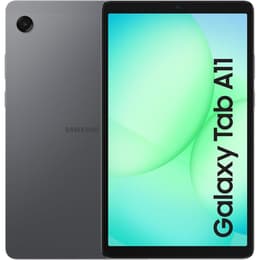
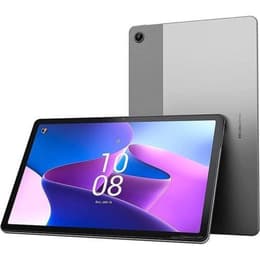
Galaxy Tab A11 (8.7", 2025) Vs Lenovo Tab M10 Gen 3 (10.1", 2022)
- 1-year minimum warranty
- Free delivery on all orders
- Free 30-day returns
Differences at a glance
The Samsung Galaxy Tab A11 (2025) and the Lenovo Tab M10 Gen 3 (2022) are portable computing devices designed for everyday media consumption, web browsing, and light productivity tasks. While both cater to users seeking practical functionality in a portable format, they differ significantly in their release timeline, screen dimensions, and internal capability. Choosing between these tablets depends on whether a compact footprint with updated software support or a larger viewing area is the primary requirement.
Available Models
Colour
Storage (GB)
Scores
Durability
These tablets span different release years, directly impacting their expected software update cycles and long-term usability profiles.
- Release Timeline and Software Support: The Galaxy Tab A11 launched in 2025 with newer software foundations, providing an extended window for operating system updates and security patches compared to the Lenovo Tab M10 Gen 3, which debuted in 2022.
- Expected Practical Lifespan: Because of its newer hardware generation and extended software support timeline, the Galaxy Tab A11 offers longer readiness for future application requirements, whereas the Lenovo Tab M10 Gen 3 is further along in its product lifecycle.
- Repairability Considerations: Both devices follow standard consumer electronics construction practices, meaning professional repair services are typically required for component replacements like batteries or screens.
Year of Release
2025
2022
Compatible with latest Update
Yes
No
OS
Android
Android
Performance
System responsiveness and day-to-day multitasking capabilities vary based on the internal hardware configurations of each model.
- Multitasking and App Loading: The Galaxy Tab A11 handles routine app switching, web browsing, and demanding casual applications smoothly, whereas the Lenovo Tab M10 Gen 3 is better suited to lighter, single-task operations like reading or streaming video.
- Storage Configurations: Both devices offer expandable storage options via microSD card slots, allowing users to supplement the built-in storage capacity for media files and documents.
- Battery Behavior: The Galaxy Tab A11 features a 5,100 mAh battery capacity designed to sustain a full day of mixed casual usage, aligning closely with the power endurance found in the Lenovo Tab M10 Gen 3 during standard media playback tasks.
Screen quality
Display characteristics represent one of the most noticeable distinctions between these two models in daily use.
- Display Size and Format: The Lenovo Tab M10 Gen 3 features a larger 10.1-inch IPS LCD screen with a higher resolution, providing more workspace for viewing documents, while the Galaxy Tab A11 utilizes a more compact 8.7-inch display format.
- Refresh Rate and Smoothness: The Galaxy Tab A11 supports a 90Hz refresh rate, resulting in smoother scrolling through web pages and menus compared to the standard 60Hz panel found on the Lenovo Tab M10 Gen 3.
- Outdoor Usability: Both screens offer adequate brightness levels for indoor environments, though direct sunlight can reduce legibility on both devices without manual brightness adjustments.
Resolution
800x1340
1200 x 1920
Pixel density
180ppp
230ppp
Audiovisual
Media consumption features and camera capabilities fulfill basic documentation and communication needs rather than advanced creative work.
- Camera System: Both tablets are equipped with standard rear sensors and front-facing cameras suitable for casual snapshots, document scanning, and video calls.
- Audio Output: Both models include stereo speaker configurations enhanced with Dolby Atmos support, delivering clear sound for listening to podcasts, watching videos, or participating in virtual meetings.
- Microphone Performance: Integrated microphones on both devices capture clear audio for voice calls and online classes in quiet environments.
Miscellaneous
Physical dimensions and connectivity standards influence how easily each device integrates into travel or daily routines.
- Portability and Handling: The smaller 8.7-inch form factor and lighter weight of the Galaxy Tab A11 make it convenient for single-handed holding during commutes, while the larger 10.1-inch Lenovo Tab M10 Gen 3 suits stationary use on a desk or lap.
- Connectivity Options: Both models provide dual-band Wi-Fi and Bluetooth capabilities, with certain configurations of each offering cellular data support for connectivity on the go.
- Physical Ports: Both tablets incorporate USB-C ports for charging and data transfer, alongside traditional 3.5mm headphone jacks for wired audio accessories.
Weight
335 g
420 g
Screen size (in)
8.7
10.1
Network
Wi-Fi
Wi-Fi + 4G
Carrier compatibility
Without SIM Port
Unlocked
Connector
USB Type-C
USB Type-C
What the community thinks
User discussions and community feedback indicate that buyers appreciate the Galaxy Tab A11 for its smooth display refresh rate, modern software environment, and highly portable size that fits easily into small bags. At the same time, users note that its smaller screen real estate offers less room for side-by-side app multitasking. Conversely, owners of the Lenovo Tab M10 Gen 3 frequently praise its larger 10.1-inch display for watching videos and reading, though some point out that the older hardware can feel slower when handling heavier background tasks.
Users prioritizing a compact, highly portable device with updated software support and a smoother visual interface will find the Samsung Galaxy Tab A11 well-suited to their needs. On the other hand, users prioritizing a larger screen for media viewing and document reading may prefer the Lenovo Tab M10 Gen 3. For those looking to make an eco-friendly, quality-assured choice, exploring a certified refurbished option provides a sustainable way to acquire either device without buying brand new.