

iPad Air 4 (2020, A14 series) Vs iPad Air 5 (2022, M1 series)

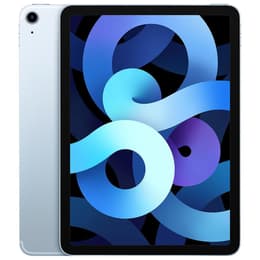
iPad Air 4 (2020, A14 series)
Starting at

Refurbished price:273.00

Versus €679.00 new

See options
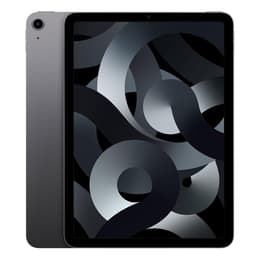
iPad Air 5 (2022, M1 series)
Starting at

Refurbished price:310.00

Versus €799.00 new

See options

Ratings

The iPad Air 2020, also known as the 4th generation, and the iPad Air 2022, or 5th generation, are two tablet computers from Apple's mid-range lineup. Released in October 2020 and March 2022, respectively, they share a similar design aesthetic but feature distinct internal upgrades. The 2022 model introduces a more powerful processor, an enhanced front-facing camera, and improved cellular connectivity, while both devices operate on Apple's iPadOS.

Scores

Durability

When evaluating the practical lifespan of these tablets, their release dates and Apple's typical software support cycles are key considerations.

  • Release Timeline: The iPad Air 2020 was released in October 2020, while the iPad Air 2022 followed in March 2022. This difference means the 2022 model benefits from a later starting point for software updates, potentially extending its support period.
  • Software Longevity: Apple typically provides 5 to 7 years of major iPadOS updates for its devices. Given its later release, the iPad Air 2022 is expected to receive software updates for a longer duration than the 2020 model, offering extended access to new features and security enhancements.
  • Repairability: Both models share a similar construction, suggesting comparable repairability. Users on forums note that older iPad Air models, like the 4th generation, still function well for basic tasks, though battery life can diminish over time.

Year of Release

2020

2022

Compatible with latest Update

Yes

Yes

OS

iPadOS

iPadOS

Maximum Operating System supported

iPadOS 18

iPadOS 18

Performance

The core performance capabilities of these two iPad Air models present a notable difference, primarily due to their internal processing units.

  • Processing Power: The iPad Air 2020 is equipped with a capable processor that handles everyday tasks, multitasking, and many demanding applications smoothly. The iPad Air 2022, however, features a more advanced processor, which delivers significantly faster CPU and graphics performance. This translates to quicker app loading, more fluid multitasking, and enhanced capabilities for intensive tasks like video editing or graphic design.
  • Multitasking and Responsiveness: The iPad Air 2022 includes 8GB of RAM, double the 4GB found in the iPad Air 2020. This increased memory allows the 2022 model to manage more applications simultaneously and switch between them with greater fluidity, reducing instances of apps needing to reload.
  • Battery Behavior: Both devices are designed to offer comparable battery life, typically providing up to 10 hours of use for web browsing on Wi-Fi or video playback. The more efficient processor in the 2022 model helps maintain this battery performance despite its increased power.

Memory (GB)

4 GB

8 GB

Processor

Apple A14 Bionic

Apple M1

Screen quality

The display technology and visual experience are largely consistent between the two iPad Air generations, offering a high-quality viewing experience.

  • Display Technology: Both the iPad Air 2020 and iPad Air 2022 feature a 10.9-inch Liquid Retina IPS display. This technology provides vibrant colors and wide viewing angles, suitable for various content consumption and creation tasks.
  • Resolution and Clarity: Both models offer a resolution of 2360 x 1640 pixels at 264 pixels per inch (ppi). This results in sharp text and detailed images, contributing to a clear viewing experience for reading, browsing, and media.
  • Brightness and Features: Both displays achieve a peak brightness of 500 nits, making them suitable for indoor use and generally adequate for outdoor viewing. They also include True Tone technology, which adjusts the display's color and intensity to match the ambient light, and support a wide color (P3) gamut for accurate color reproduction. Neither model features the higher refresh rate found in some professional tablets.

Resolution

2360 x 1640

2360 x 1640

True Tone

Yes

Yes

Pro-Motion

No

No

Screen type

Liquid Retina display

Liquid Retina display

Pixel density

264ppp

264ppp

Brightness

500 nits brightness

500 nits brightness

Sound quality

Speakers

Stereo speakers

Stereo speakers

Audiovisual

While the rear camera system remains consistent, the front-facing camera sees a significant upgrade in the newer iPad Air model.

  • Rear Camera System: Both the iPad Air 2020 and iPad Air 2022 are equipped with a 12-megapixel wide-angle rear camera with an f/1.8 aperture. This camera is capable of capturing high-resolution photos and recording 4K video at up to 60 frames per second, making it suitable for document scanning and casual photography.
  • Front Camera Capabilities: The iPad Air 2020 features a 7-megapixel FaceTime HD front camera. In contrast, the iPad Air 2022 upgrades to a 12-megapixel ultra-wide front camera. This improvement allows for better quality video calls and selfies, and it introduces Center Stage, a feature that automatically keeps subjects in the frame during video calls.
  • Audio Experience: Both tablets feature stereo speakers, which provide a more immersive audio experience, particularly when held in landscape orientation for media consumption.

Miscellaneous

Beyond the core components, several practical elements contribute to the overall user experience and differentiate these two iPad Air models.

  • Connectivity Options: Both tablets support Wi-Fi 6 (802.11ax) and Bluetooth 5.0 for robust wireless connections. For cellular models, the iPad Air 2020 offers Gigabit LTE, while the iPad Air 2022 upgrades to 5G connectivity, providing faster mobile data speeds in supported areas.
  • Port and Accessories: Both models feature a USB-C port for charging and connecting accessories. The iPad Air 2022's USB-C port offers faster data transfer speeds compared to its predecessor, which can be beneficial for users who frequently transfer large files. Both are compatible with the second-generation Apple Pencil and the Magic Keyboard, expanding their utility for creative and productivity tasks.
  • Physical Design and Biometrics: The dimensions and weight of both models are nearly identical, maintaining a slim and portable form factor. The iPad Air 2020 weighs 458g (Wi-Fi) / 460g (Cellular), while the iPad Air 2022 weighs 461g (Wi-Fi) / 462g (Cellular). Both devices integrate Touch ID into the top button for secure authentication.

Weight

460 g

461 g

Width

17.85 cm

17.85 cm

Height

24.76 cm

24.76 cm

Depth

0.61 cm

0.61 cm

Screen size (in)

10.9

10.9

Network

Wi-Fi + 4G

Wi-Fi

Carrier compatibility

Unlocked

Without SIM Port

Wi-Fi technology

Wi-Fi 6 802.11ax

Wi-Fi 6 802.11ax

Bluetooth Version

Bluetooth 5.0

Bluetooth 5.0

Face ID

No

No

Touch ID

Yes

Yes

Connector

USB Type-C

USB Type-C

User sentiment for both the iPad Air 2020 and iPad Air 2022 generally highlights their strong performance and versatile design. The iPad Air 2020 is often praised for its capable performance, modern design, and compatibility with accessories like the Apple Pencil 2nd Gen and Magic Keyboard, making it a solid choice for many users even years after its release. Some users, however, have noted a perceived slowdown with newer iPadOS versions and potential battery degradation over time.

The iPad Air 2022 receives significant acclaim for its powerful internal processor, which brings performance closer to professional-grade tablets, and its improved front-facing camera with Center Stage. Users appreciate the enhanced capabilities for demanding applications and video conferencing. A common observation is that while the internal upgrades are substantial, the external design and display remain largely unchanged from its predecessor.

Users prioritizing robust performance for intensive tasks, future-proofing, and enhanced video call features may find the iPad Air 2022 well-suited to their needs. Its more powerful processor and increased RAM offer a smoother experience for demanding apps and multitasking. Conversely, users primarily focused on everyday tasks like browsing, media consumption, note-taking, and light productivity will find the iPad Air 2020 still offers a highly capable and satisfying experience. Both models represent a quality-assured refurbished option, providing an eco-friendly alternative for those seeking reliable tablet technology.


See all articles

Our recent comparisons