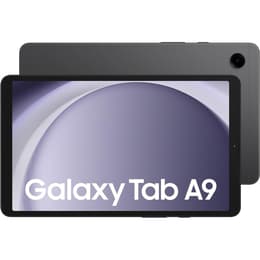



Compare models
Galaxy Tab A9 (8.7", 2023) Vs Galaxy Tab S10 Ultra (14.6", 2024)
- 1-year minimum warranty
- Free delivery on all orders
- Free 30-day returns
Differences at a glance
The Samsung Galaxy Tab A9 (2023) and the Samsung Galaxy Tab S10 Ultra (2024) represent two completely different tiers of portable computing within the Android tablet ecosystem. While the Galaxy Tab A9 is a compact and lightweight device built for daily portable utility, the Galaxy Tab S10 Ultra is an expansive flagship powerhouse designed for demanding productivity and media consumption. Both devices run on Android and utilize custom software overlays, but they cater to distinct device formats and user expectations.
Available Models
Colour
Storage (GB)
Scores
Durability
When evaluating hardware longevity and support timelines, these two devices reflect different release years and product classes, influencing their anticipated operational lifespans.
- Release timeline and support: The Galaxy Tab S10 Ultra benefits from a newer 2024 launch date, securing an extended software update schedule compared to the 2023 Galaxy Tab A9.
- Build and materials: The Galaxy Tab S10 Ultra features a robust aluminum frame and back designed for heavy daily handling, while the Galaxy Tab A9 relies on a compact frame suited for casual mobile use.
- Expected lifespan: Flagship internal components on the Ultra model provide additional headroom for future software demands, whereas the entry-level model suits immediate, straightforward tasks.
Year of Release
2023
2024
Compatible with latest Update
Yes
No
OS
Android
Android
Performance
Processing capabilities and multitasking behaviors vary significantly between these tablets, shaped by their distinct hardware configurations and intended use cases.
- System responsiveness: The Galaxy Tab S10 Ultra handles heavy multitasking, demanding professional applications, and complex mobile gaming smoothly without noticeable stutter, while the Galaxy Tab A9 manages web browsing, video streaming, and light apps reliably.
- Memory and storage: The larger model offers extensive RAM configurations and expansive storage tiers with expandable card slots, whereas the compact model provides modest capacity configurations suited for basic document and media storage.
- Battery behavior: The Galaxy Tab S10 Ultra incorporates a very large battery capacity to sustain its expansive screen through heavy work sessions, while the Galaxy Tab A9 utilizes a smaller battery tailored to its compact proportions and lower power draw.
Screen quality
Display characteristics form one of the most prominent differences when comparing these two contrasting tablet formats.
- Display technology: The Galaxy Tab S10 Ultra utilizes an expansive high-end organic light-emitting diode panel with deep contrast and vibrant color reproduction, whereas the Galaxy Tab A9 employs a standard liquid crystal display suited for everyday indoor viewing.
- Screen dimensions: The massive 14.6-inch workspace on the Ultra model resembles a laptop replacement screen, while the 8.7-inch panel on the Tab A9 fits easily into one hand for casual reading.
- Refresh rate and outdoor use: High refresh rates on the flagship model ensure fluid scrolling and motion clarity alongside strong peak brightness levels, whereas the entry-level model features a standard refresh rate and moderate brightness.
Resolution
800 x 1340
1848 x 2960
Screen type
TFT LCD
Dynamic AMOLED 2X
Pixel density
180ppp
240ppp
Audiovisual
Optics, audio output, and recording hardware differ substantially based on the target design objectives of each device.
- Camera systems: The Galaxy Tab S10 Ultra includes versatile dual rear sensors and an ultra-wide front setup optimized for video conferencing, while the Galaxy Tab A9 keeps photography features simple with single front and rear basic sensors.
- Media consumption: A multi-speaker audio arrangement on the flagship model delivers immersive sound reproduction for movies and calls, while the compact model provides standard stereo sound output for casual listening.
- Recording capabilities: High-resolution video capture and sensitive multi-microphone arrays on the Ultra model support content creation and clear virtual meetings, whereas the entry-level model handles basic casual snapshots and simple voice notes.
Miscellaneous
Practical physical attributes, connectivity standards, and daily usability features define how each tablet integrates into daily routines.
- Portability and weight: Weighing significantly less and featuring a small footprint, the Galaxy Tab A9 slips into small bags easily, whereas the broad profile of the Galaxy Tab S10 Ultra requires careful handling and dedicated carrying space.
- Connectivity options: Modern wireless protocols, fast Wi-Fi standards, and optional cellular data configurations are available on both models, with advanced multi-device pairing features supported on the flagship series.
- Security and sensors: The larger tablet integrates secure on-screen biometric authentication, while the compact model relies on facial recognition and standard motion sensors.
Weight
332 g
576 g
Screen size (in)
8.7
14.6
Network
Wi-Fi
Wi-Fi
Carrier compatibility
Without SIM Port
Unlocked
Connector
USB Type-C
USB Type-C
What the community thinks
Online user communities frequently highlight the Galaxy Tab S10 Ultra for its incredible screen workspace, responsive multi-window capabilities, and laptop-like versatility, though some users note that its large physical size makes it less convenient for reading while traveling. Conversely, owners of the Galaxy Tab A9 praise its pocket-friendly dimensions and simplicity for basic media playback, while noting that its modest performance is best kept to light, single-tasking routines.
Users prioritizing maximum productivity, expansive visual real estate, and high-end processing power for creative work will find the Galaxy Tab S10 Ultra well-suited to their needs. Meanwhile, users prioritizing ultimate portability, simple handheld reading, and straightforward daily utility will lean toward the Galaxy Tab A9. For those exploring sustainable purchasing decisions, choosing a quality-assured refurbished option provides a reliable and eco-friendly alternative for acquiring either device.