

Compare models
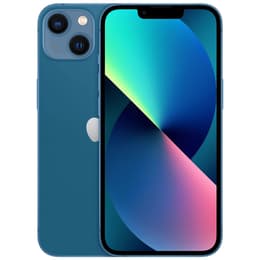
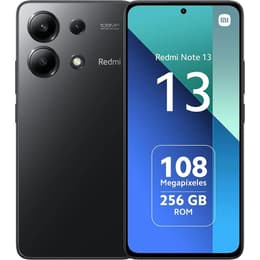
iPhone 13 Vs Xiaomi Redmi Note 13 4G
- 1-year minimum warranty
- Free delivery on all orders
- Free 30-day returns
Differences at a glance
The Apple iPhone 13 (2021) and the Xiaomi Redmi Note 13 4G (2024) represent two different approaches to the modern smartphone, balancing established software ecosystems with distinct hardware priorities. While the iPhone 13 operates on Apple's proprietary software platform, the Redmi Note 13 4G runs on an Android-based interface with extensive customization options. These devices differ primarily in their release timelines, operating systems, and target feature sets, catering to users with distinct daily requirements.
Available Models
Colour
Storage (GB)
Scores
Durability
When examining longevity and hardware endurance, both devices offer distinct timelines influenced by their release dates and manufacturer support cycles.
- Software support duration: The iPhone 13 benefits from an extended software update lifecycle typically provided by its manufacturer, while the Redmi Note 13 4G follows standard Android support timelines suited for a 2024 release.
- Build and repair accessibility: Both smartphones utilize durable exterior construction materials, though repair networks and part availability vary depending on regional service options. Choosing a quality-assured refurbished option from Back Market extends the operational lifecycle of either device while reducing electronic waste.
- Expected practical lifespan: The iPhone 13 maintains robust long-term usability due to high-tier component engineering, whereas the Redmi Note 13 4G provides a reliable multi-year operational window for standard daily tasks.
Year of Release
2021
2024
Compatible with latest Update
Yes
Yes
OS
iOS
Android
Foldable
No
No
Performance
System responsiveness and hardware capabilities shape how each device handles everyday applications, multitasking, and battery management.
- Multitasking and app handling: The iPhone 13 manages demanding applications and rapid task-switching smoothly, while the Redmi Note 13 4G handles everyday communication, web browsing, and media streaming comfortably with standard RAM configurations.
- Storage capacity variants: Both models offer multiple internal storage tiers, though neither includes expandable storage via a memory card slot.
- Battery behavior and endurance: Both devices comfortably navigate a standard day of moderate mixed usage, though charging speeds and power management profiles differ between the respective manufacturers.
Screen quality
Display characteristics directly influence viewing comfort, outdoor usability, and overall media consumption quality on both smartphones.
- Panel technology and clarity: Both devices feature vibrant OLED displays with sharp resolutions that deliver deep contrast levels and rich color reproduction for photos and videos.
- Outdoor visibility: High peak brightness levels on both screens ensure that text and images remain legible under direct sunlight or bright ambient lighting.
- Refresh rate and visual fluidity: The Redmi Note 13 4G incorporates a high refresh rate panel for smooth scrolling through menus and web pages, while the iPhone 13 relies on a standard refresh rate paired with optimized system animations.
Resolution
1170 x 2532
1080 x 2400
Screen type
Super Retina XDR OLED
AMOLED
Audiovisual
Multimedia capabilities, photography options, and audio reproduction define the creative and entertainment experience on these two smartphones.
- Camera system versatility: The iPhone 13 employs a dual-lens rear camera setup optimized for reliable everyday photography and low-light capture, whereas the Redmi Note 13 4G features a multi-lens array led by a high-resolution primary sensor.
- Video recording quality: Apple devices traditionally excel in stabilization and dynamic range during video capture, while the Redmi model offers functional video recording tools for casual sharing.
- Audio and media output: Both models provide built-in stereo speaker configurations that deliver clear sound for hands-free calls and media playback without external headphones.
Main camera
12 megapixels
108 megapixels
Front camera
12 megapixels
16 megapixels
Miscellaneous
Physical dimensions, connectivity standards, and daily usability features determine how comfortably each device fits into varied lifestyles.
- Connectivity and network standards: The iPhone 13 includes 5G network compatibility and modern wireless standards, while the Redmi Note 13 4G focuses on 4G LTE connectivity alongside standard wireless protocols.
- Physical design and handling: Both devices offer slim profiles and balanced weights, though their distinct screen sizes and edge geometries create different hand-feel experiences.
- Authentication and security: The iPhone 13 relies on facial recognition technology for secure unlocking, whereas the Redmi Note 13 4G incorporates an in-display fingerprint sensor alongside alternative biometric checks.
Weight
173 g
175 g
Screen size (in)
6.1
6.67
Network
5G
4G
SIM card
Physical SIM + eSIM
Dual Physical SIM
Carrier compatibility
Unlocked
Unlocked
Connector
Lightning
USB-C
What the community thinks
User feedback from online communities highlights distinct patterns of praise and common considerations for both devices. Owners of the iPhone 13 frequently commend its long-term system stability, robust video recording quality, and sustained software support. Conversely, users of the Redmi Note 13 4G often praise its responsive high-refresh-rate display, modern aesthetic design, and reliable daily battery endurance. Frequent criticisms for the Apple device typically center around restricted software customization, while users of the Xiaomi model occasionally note limitations in intensive 3D gaming performance.
Users prioritizing a closed, tightly integrated software ecosystem with extended update longevity may prefer the iPhone 13. Meanwhile, users prioritizing display fluidity, modern interface customization, and alternative operating system preferences will find the Redmi Note 13 4G well-suited to their needs. For consumers exploring sustainable technology purchases, opting for a quality-assured refurbished option provides a reliable, eco-friendly alternative that supports informed consumer choices without compromising on performance expectations.