


Compare models

Galaxy S26 Ultra Vs Xiaomi Redmi Note 13 4G

  • 1-year minimum warranty
  • Free delivery on all orders
  • Free 30-day returns
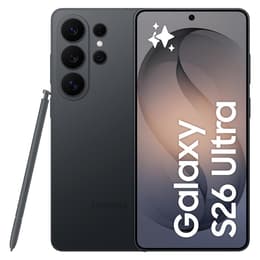
Galaxy S26 Ultra
Starting at

Refurbished price:€879.00

Versus €1,449.00 new

See options
Xiaomi Redmi Note 13 4G
Starting at

Refurbished price:€188.00

Versus €299.00 new

See options

Differences at a glance

The Samsung Galaxy S26 Ultra (2026) and the Xiaomi Redmi Note 13 4G (2024) serve very different segments of the smartphone market, representing a high-end flagship release and an entry-level everyday device respectively. While the Galaxy S26 Ultra focuses on advanced imaging capabilities, premium construction, and heavy multitasking power, the Xiaomi Redmi Note 13 4G centers on reliable daily communication and essential functionality at a simpler tier. Both devices run on the Android operating system, though they feature distinct manufacturer interfaces that shape the overall user experience.

Available Models

Colour

Storage

Scores

Durability

Evaluating the expected longevity of these devices reveals differences in update schedules and software support windows tied to their respective release years and market tiers.

  • Software longevity: The Galaxy S26 Ultra receives extensive system updates spanning multiple years, ensuring long-term security compatibility. The Xiaomi Redmi Note 13 4G provides a more standard update window aligned with its entry-level status.
  • Build and maintenance: Both models utilize robust materials for their respective price categories, though the Galaxy S26 Ultra features high-grade titanium and reinforced glass designed to withstand accidental drops more resiliently over time.

Year of Release

2026

2024

Compatible with latest Update

Yes

Yes

OS

Android

Android

Foldable

No

No

Performance

Underneath the surface, these two smartphones handle daily tasks, storage management, and energy efficiency through contrasting internal hardware configurations.

  • Multitasking and speed: The Galaxy S26 Ultra manages demanding 3D games, intensive video editing applications, and heavy background tasks smoothly without stuttering. The Xiaomi Redmi Note 13 4G handles standard messaging, web browsing, and casual media playback reliably, though demanding tasks will show processing limitations.
  • Battery behavior: Both devices are equipped to last through a typical day of moderate use, but the Galaxy S26 Ultra includes sophisticated power-management features to sustain heavy usage profiles throughout long travel days.

Screen quality

Visual output and display technology differ significantly, affecting media consumption, outdoor legibility, and everyday interaction comfort.

  • Display technology: The Galaxy S26 Ultra utilizes an advanced OLED panel with deep contrast levels and high peak brightness for clear outdoor visibility under direct sunlight. The Xiaomi Redmi Note 13 4G features a capable AMOLED screen with a smooth refresh rate, delivering pleasant color reproduction for daily scrolling and video streaming.
  • Viewing experience: The Galaxy S26 Ultra offers a larger workspace with minimal bezels, whereas the Xiaomi Redmi Note 13 4G provides a comfortable, standard-sized viewing area well-suited for one-handed navigation.

Resolution

1440 x 3120

1080 x 2400

Audiovisual

Photography and video recording suites vary drastically between these two options, catering to casual snapshots versus complex creative projects.

  • Camera versatility: The Galaxy S26 Ultra incorporates a multi-lens system featuring high-resolution main sensors, ultra-wide capabilities, and long-range optical zoom lenses for detailed shots at various distances. The Xiaomi Redmi Note 13 4G relies on a simpler primary and ultra-wide setup that captures clear daylight photos suitable for casual sharing.
  • Media and audio: Video recording on the Galaxy S26 Ultra supports high stabilization and resolution options, whereas the Xiaomi Redmi Note 13 4G handles standard definition video calls and basic home clips adequately.

Front camera

12.0

16 megapixels

Miscellaneous

Practical physical traits, connectivity standards, and daily usability features dictate how each device integrates into a user's routine.

  • Connectivity and ports: Both models support standard wireless connections, with the Galaxy S26 Ultra offering faster cellular data standards and advanced local file transfer protocols alongside a USB-C port.
  • Physical handling: The Galaxy S26 Ultra is a heavier, larger device that includes integrated stylus support for productivity tasks, while the Xiaomi Redmi Note 13 4G features a lightweight, slim profile that fits easily into smaller pockets and bags. Quality-assured refurbished options for flagship models like the Samsung line offer an eco-friendly alternative for conscious buyers looking to reduce electronic waste.

Weight

214 g

175 g

Screen size (in)

6.9

6.67

Network

5G

4G

SIM card

Physical SIM + eSIM

Dual Physical SIM

Carrier compatibility

Unlocked

Unlocked

Connector

USB-C

USB-C

What the community thinks

User community discussions indicate that owners of the Samsung Galaxy S26 Ultra frequently praise its extensive zoom capabilities, fluid screen performance, and robust build quality, while noting that its large physical size and heavy weight can make one-handed use challenging. Conversely, users of the Xiaomi Redmi Note 13 4G appreciate its lightweight construction and dependable battery longevity for basic tasks, though community feedback often points out limitations when attempting to run resource-heavy applications or demanding mobile games.

Users prioritizing maximum photographic versatility, expansive multitasking power, and long-term software support may find the Galaxy S26 Ultra well-suited to their needs. Meanwhile, users prioritizing a lightweight daily communication tool for messaging, media streaming, and casual web browsing will likely prefer the Xiaomi Redmi Note 13 4G. Choosing between these devices depends entirely on individual daily demands rather than universal superiority. Opting for a quality-assured refurbished model provides an eco-friendly way to acquire high-end technology while supporting sustainable consumer habits.